Jewelry Casting and Mold Making Equipment
Shop jewelry casting and mold making equipment for lost wax casting, reusable rubber mold production, wax injection, investment preparation, burnout, metal melting, and vacuum or centrifugal casting. SEP Tools carries equipment and supplies for independent jewelers, repair shops, production studios, manufacturers, schools, and professional casting facilities.
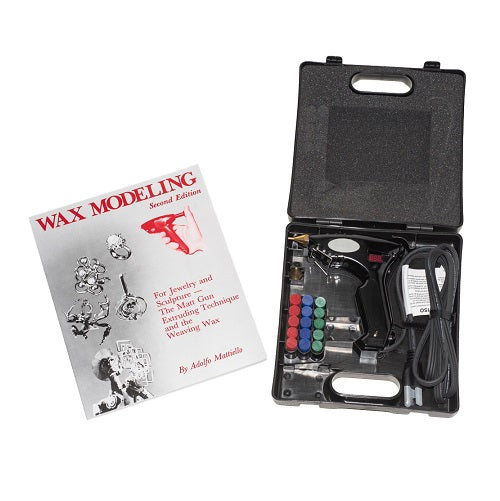
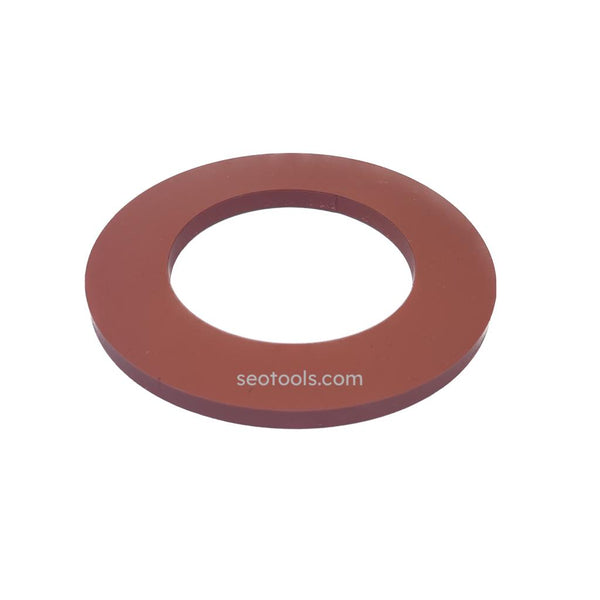
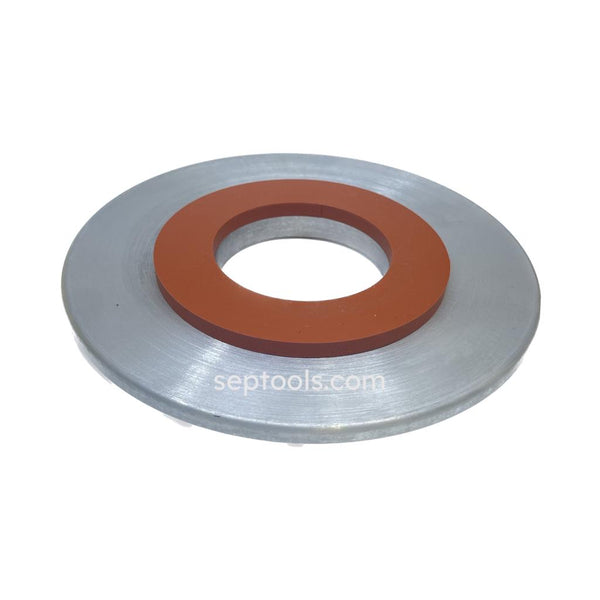
The collection includes wax injectors, wax working tools, vulcanizers, mold rubber, investment materials, flasks, mixers, burnout furnaces, melting furnaces, crucibles, casting machines, gaskets, accessories, and selected 3D-printing systems. Equipment requirements vary according to the production method, alloy, flask size, pattern material, casting volume, and workshop infrastructure.
Jewelry Casting Equipment by Production Stage
A casting setup should be planned as a complete workflow. Not every studio needs every machine, but each stage must be compatible with the pattern material, mold system, investment, metal, and selected casting method.
|
Production Stage
|
Typical Equipment
|
What to Compare
|
|
Pattern creation
|
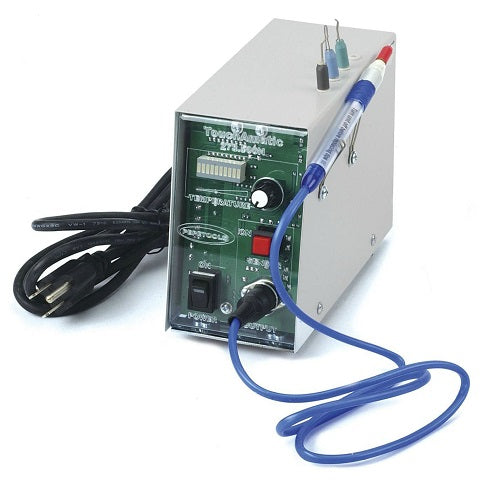
Wax pens, wax workers, carving tools, wax sheets, or compatible 3D printers
|
Pattern material, required detail, working temperature, build volume, dimensional accuracy, and compatibility with the intended burnout process
|
|
Mold making
|
Vulcanizers, mold frames, rubber, silicone, knives, and mold release supplies
|
Mold material, frame dimensions, platen size, pressure control, temperature control, and manufacturer-recommended curing requirements
|
|
Wax injection
|
Hand-pump, pneumatic, heated, or digitally controlled wax injectors
|
Tank capacity, pressure range, temperature control, nozzle design, compressed-air requirements, and expected production volume
|
|
Investing and flask preparation
|
Investment powder, mixers, vacuum equipment, flasks, bases, gaskets, and measuring tools
|
Pattern type, alloy, flask dimensions, investment formulation, mixing capacity, vacuum compatibility, and required working time
|
|
Burnout
|
Burnout furnaces, kilns, programmable controllers, shelves, trays, and ventilation equipment
|
Chamber size, maximum temperature, controller programs, electrical requirements, ventilation, flask capacity, and pattern material
|
|
Metal melting
|
Electric melting furnaces, torches, crucibles, stirring rods, tongs, and protective equipment
|
Alloy compatibility, capacity, maximum operating temperature, crucible material, power supply, temperature control, and workspace ventilation
|
|
Casting
|
Vacuum casting machines, centrifugal casting machines, combination systems, and compatible accessories
|
Casting method, flask range, metal capacity, vacuum or centrifugal mechanism, electrical requirements, compressed-air needs, and production volume
|
|
Cleanup and finishing
|
Devesting tools, cutoff equipment, abrasives, rotary tools, polishing machines, and cleaning equipment
|
Casting size, alloy, sprue thickness, surface condition, dust collection, tool compatibility, and required finish
|
Wax Pattern and Mold Making Tools
Jewelry patterns may be carved directly from wax, built with heated wax tools, injected into a reusable mold, or produced from a castable 3D-printing material. The correct equipment depends on whether the workshop is creating one-off designs or reproducing the same model repeatedly.
Wax Injectors
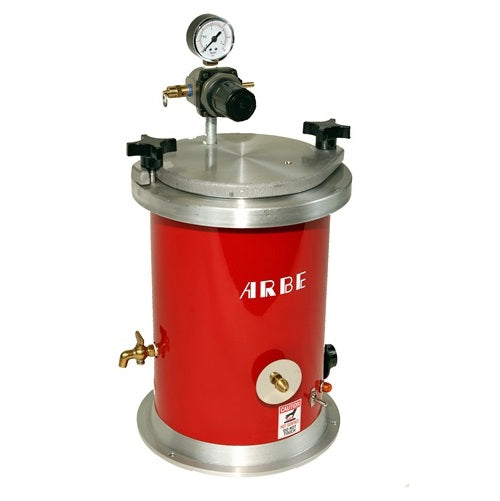
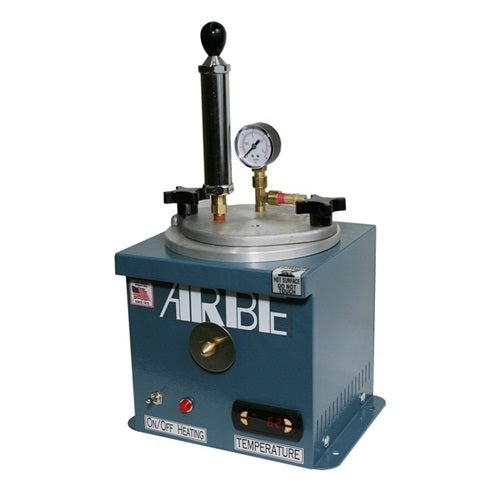
A wax injector introduces heated injection wax into a prepared rubber or silicone mold. Available configurations may include manual hand-pump units, compressed-air models, analog temperature controls, or digital pressure and temperature controls.
Compare usable tank capacity, operating pressure, temperature range, nozzle configuration, warm-up time, compressed-air requirements, and replacement-part availability. The wax formulation and mold design must also be compatible with the selected injector settings.
Vulcanizers and Mold Making Equipment
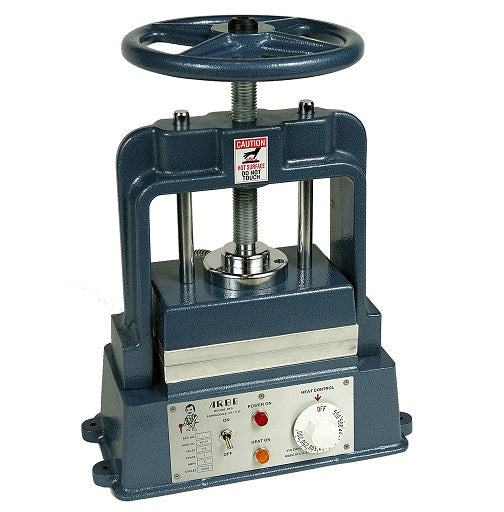
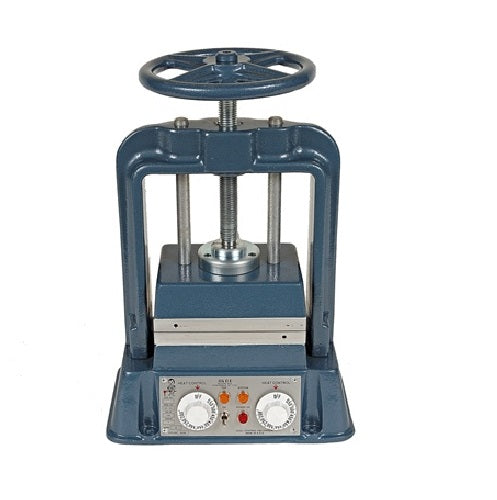
A vulcanizer applies controlled heat and pressure to compatible mold rubber placed inside a mold frame. After curing and cutting, the reusable mold can be used to produce multiple wax patterns from a master model.
Platen size, temperature control, pressure mechanism, frame dimensions, timer functions, voltage, and the curing requirements of the selected rubber should all be reviewed. Vulcanizing settings are material-specific and should follow the rubber manufacturer’s instructions rather than a universal temperature or time.
Room-Temperature Silicone Molds
Some silicone mold materials cure without a heated vulcanizer. These systems may be useful for temperature-sensitive masters or workflows designed around room-temperature vulcanizing silicone. Mixing ratio, working time, cure time, hardness, shrinkage, and release requirements vary by product.
Investment Materials, Flasks, and Mixing Equipment
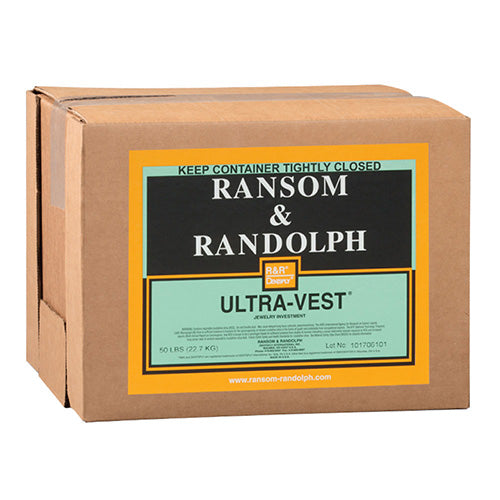
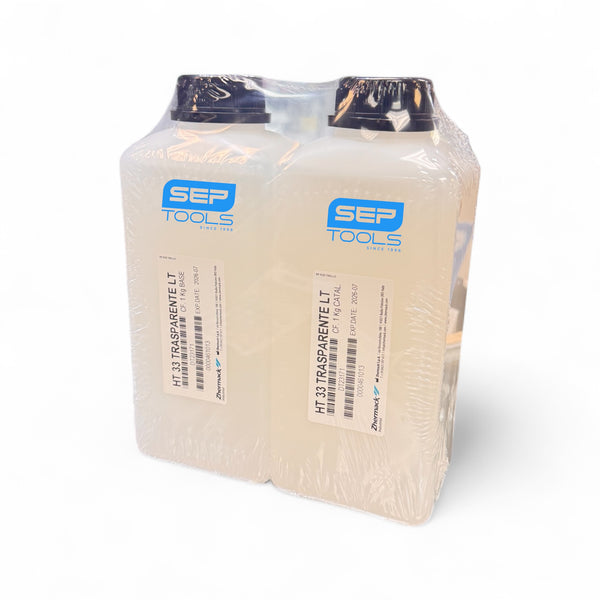
Investment forms the heat-resistant mold surrounding the wax or castable pattern. The appropriate investment depends on the pattern material, casting alloy, burnout schedule, flask dimensions, and manufacturer’s process requirements.
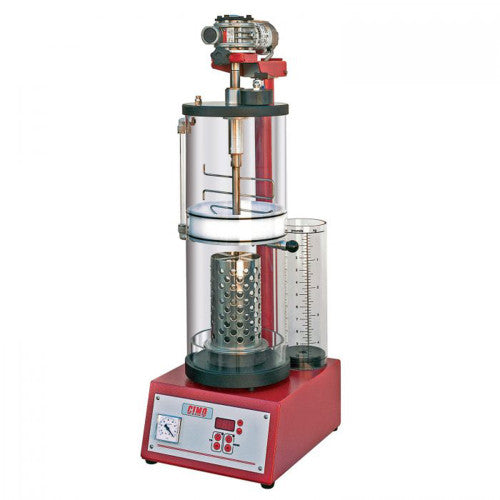
Accurate measuring and controlled mixing are important because water-to-powder ratio, mixing time, vacuum time, working time, and flask preparation can affect mold strength and casting surface quality. Use the current technical instructions supplied with the selected investment rather than applying one formula to every material.
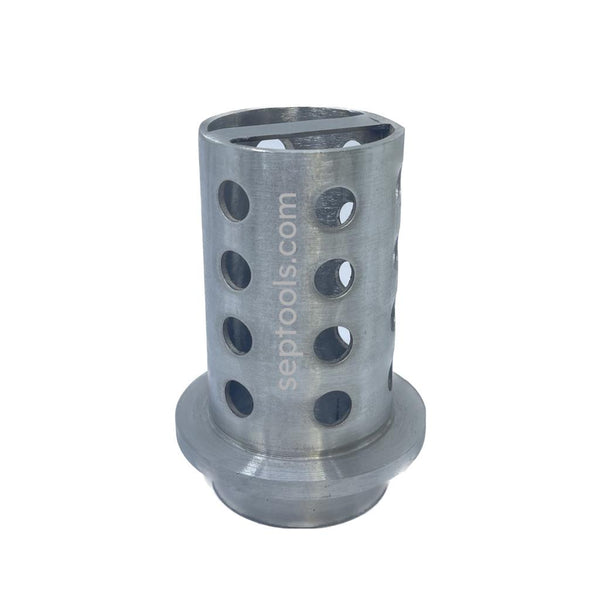
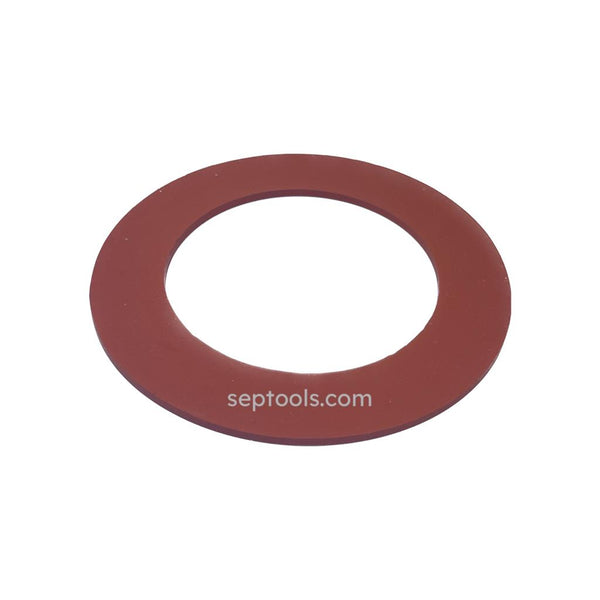
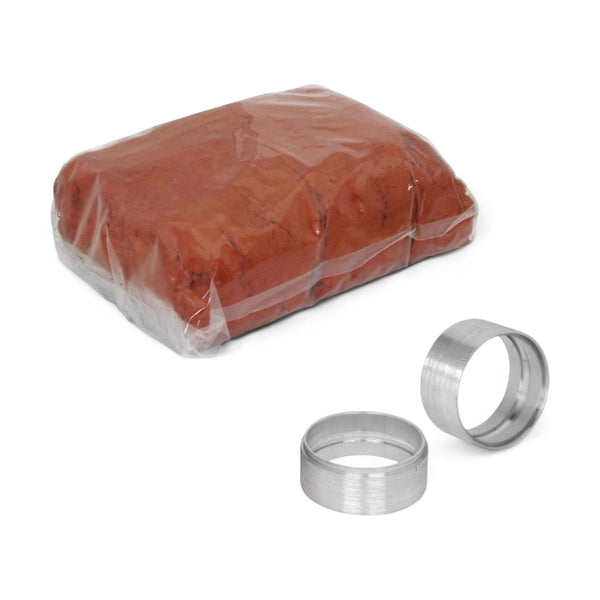
When selecting flasks and accessories, compare diameter, height, wall style, perforation pattern, casting-machine compatibility, sprue-base size, gasket dimensions, and the available capacity of the burnout furnace.
Burnout Furnaces and Programmable Kilns
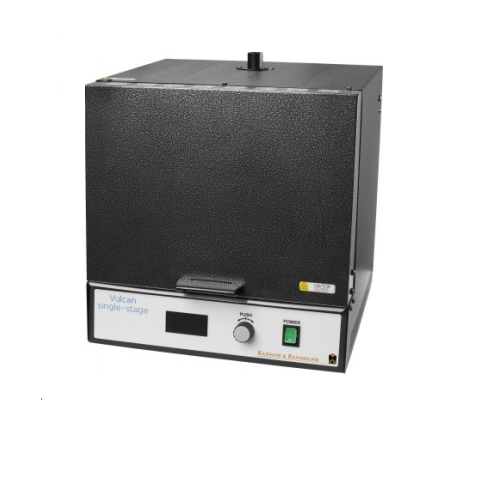
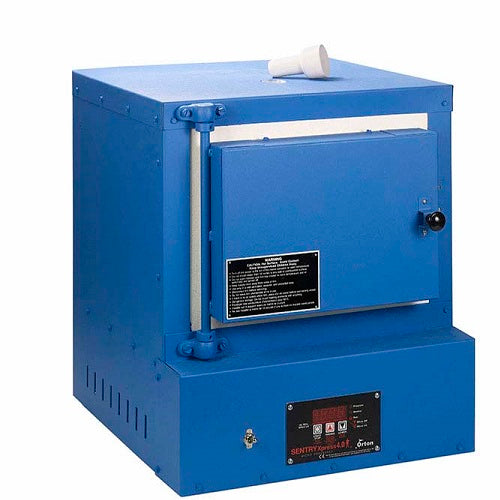
A burnout furnace removes the wax or compatible castable pattern and prepares the investment mold for casting. Different waxes, resins, investments, flask sizes, furnace loads, and alloys can require different burnout schedules.
Programmable controllers allow temperature ramps and hold periods to be configured according to the material manufacturer’s instructions. Compare chamber dimensions, flask capacity, maximum temperature, controller capability, number of programs, thermocouple type, voltage, amperage, ventilation requirements, and service access.
A general-purpose kiln should not automatically be assumed suitable for jewelry burnout. Confirm that the furnace design, ventilation, controller, interior materials, and manufacturer instructions support the intended process.
Melting Furnaces, Crucibles, and Metal Handling
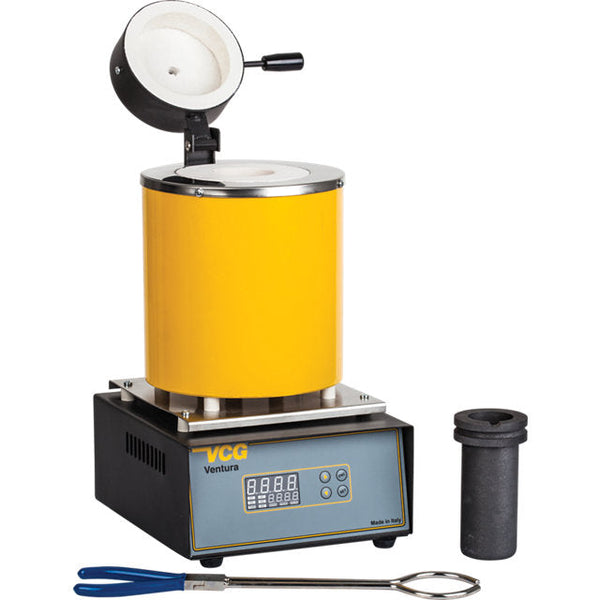
Electric melting furnaces provide controlled heat for compatible precious-metal alloys within the stated capacity and temperature range. The appropriate furnace depends on the metal, batch size, desired temperature control, electrical supply, crucible system, and casting workflow.
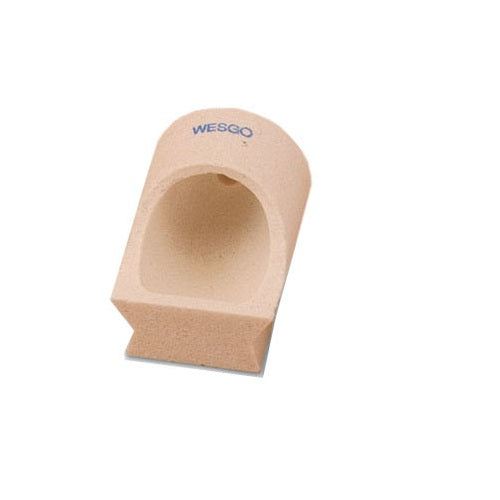
Crucibles are available in different materials and shapes for specific metals, furnace designs, and heating methods. A crucible does not automatically eliminate contamination, oxidation, or metal loss. It must be correctly matched to the alloy and equipment, properly conditioned where required, kept clean, inspected for damage, and replaced according to the manufacturer’s guidance.
Review the furnace’s usable metal capacity rather than relying only on the nominal crucible size. Alloy density, safe fill level, required headroom, pouring method, and manufacturer limits can affect the practical batch capacity.
Vacuum and Centrifugal Casting Machines
Vacuum Casting Machines
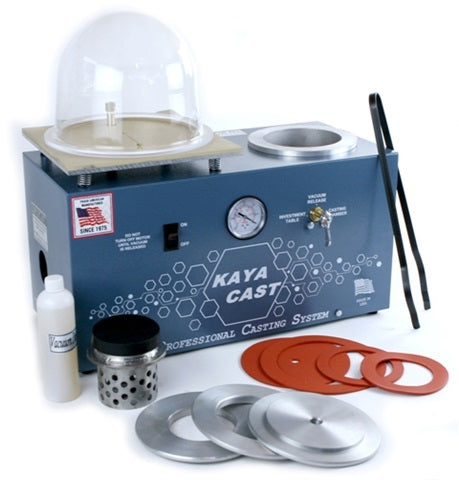
Vacuum casting equipment uses negative pressure to help draw molten metal into the investment mold. Some systems also support vacuum-assisted investment mixing or flask evacuation, while others are dedicated primarily to casting. Verify the exact functions included with the selected machine.
Compare flask diameter and height limits, vacuum capacity, chamber or table configuration, metal capacity, pump requirements, gasket compatibility, electrical specifications, and included accessories.
Centrifugal Casting Machines
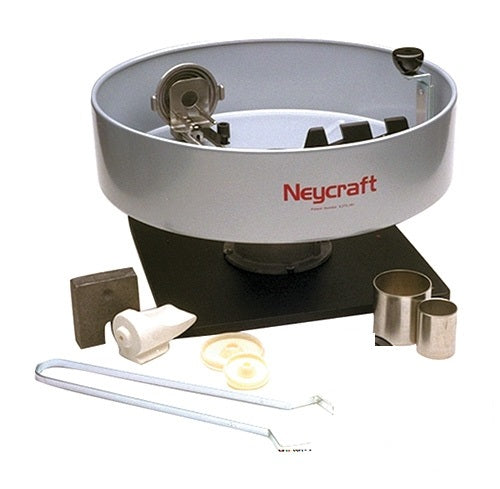
Centrifugal casting machines use rotational force to move molten metal into the mold. Available systems may differ in spring mechanism, arm capacity, crucible type, flask dimensions, balance requirements, enclosure, and recommended alloy range.
The operator should follow the machine manufacturer’s setup, balancing, winding, loading, and safety procedures. Components from different casting systems should not be assumed interchangeable solely because their dimensions appear similar.
Castable 3D Printing and Traditional Wax Workflows
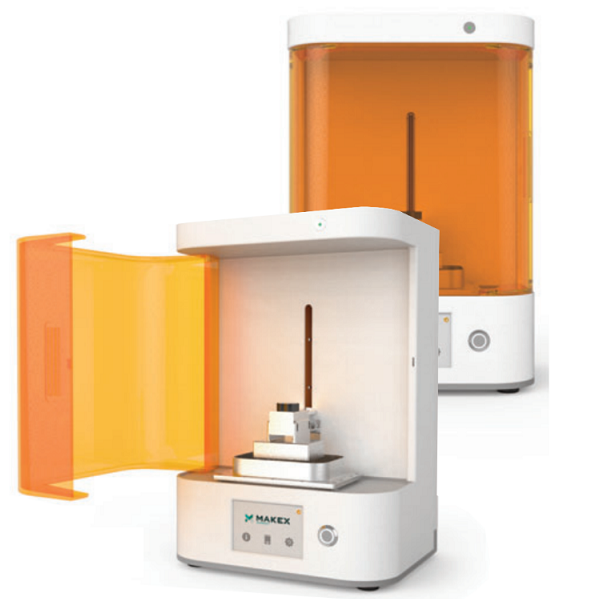
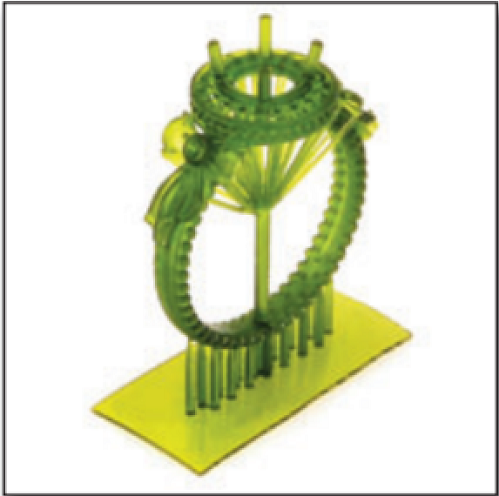
Castable 3D-printing systems can produce detailed patterns directly from a digital design. However, a printable pattern is only one part of the casting process. The resin or pattern material must be compatible with the investment, cleaning procedure, post-curing process, burnout furnace, burnout schedule, and intended alloy.
Traditional wax carving and injected-wax workflows remain useful for hand fabrication, repair work, model modification, and repeat production from reusable molds. Many professional workshops use both digital and traditional pattern-making methods depending on the job.
How to Choose Jewelry Casting Equipment
Before Purchasing a Casting Machine or Furnace
- Identify the metals and alloys the equipment must support.
- Confirm the required batch capacity and expected production volume.
- Measure the flasks and crucibles that will be used with the system.
- Check voltage, amperage, plug type, compressed-air needs, and ventilation requirements.
- Confirm compatibility between the pattern material, investment, burnout furnace, and casting method.
- Review included accessories and identify any additional pump, regulator, hose, gasket, crucible, flask, or controller required.
- Check replacement-part availability, warranty terms, technical support, and service requirements.
- Do not assume that a machine is suitable for gold, silver, platinum, or another alloy unless the specifications confirm it.
Casting Workshop Safety and Ventilation
Jewelry casting involves molten metal, hot furnaces, heated flasks, combustible pattern materials, pressurized systems, investment powder, fumes, and rotating or vacuum equipment. Use appropriate ventilation, manufacturer-required personal protective equipment, heat-resistant tools, and a workspace designed for the process.
Avoid generating or inhaling investment dust. Review the product Safety Data Sheet and applicable workplace requirements for mixing, cleanup, disposal, respiratory protection, and exposure control. Do not use compressed air or dry sweeping to clean fine investment residue when those methods could disperse dust into the workspace.
Exact operating temperatures, burnout schedules, mixing ratios, and casting procedures should come from the current instructions supplied with the investment, pattern material, alloy, furnace, and casting machine.
Related Jewelry Manufacturing Tools
After casting, sprues may need to be removed and the metal surface refined before assembly and final finishing. Browse flex shafts and micromotors for rotary work, soldering and welding equipment for assembly and repair, and polishing and finishing tools for surface preparation.
For additional fabrication equipment, view metal drawing and forming tools, including equipment used to prepare sheet, wire, strip, and formed components.
Jewelry Casting and Mold Making FAQ
What equipment is needed for lost wax jewelry casting?
A typical setup may include wax or castable-pattern tools, sprue supplies, flasks, investment, measuring and mixing equipment, a burnout furnace, a compatible melting method, a vacuum or centrifugal casting machine, crucibles, and appropriate safety equipment. The exact system depends on the alloy, flask size, pattern material, and production volume.
Do I need a vulcanizer to make jewelry molds?
A heated vulcanizer is generally used with compatible heat-cured mold rubber. Room-temperature silicone systems may cure without one. Follow the mold material manufacturer’s requirements for pressure, temperature, working time, and cure time.
What is the difference between vacuum and centrifugal casting?
Vacuum casting uses negative pressure to help move metal into the mold, while centrifugal casting uses rotational force. Each method has different machine, flask, crucible, capacity, setup, and operating requirements.
Can one burnout schedule be used for every investment?
No. The correct schedule depends on the investment formulation, pattern material, flask size, furnace type, furnace load, and intended alloy. Use the current instructions provided by the investment and pattern-material manufacturers.
Can a standard kiln be used as a jewelry burnout furnace?
Not automatically. Confirm that the kiln manufacturer permits the intended burnout process and that the chamber, ventilation, controller, temperature range, interior materials, electrical system, and flask capacity are appropriate.
How do I choose the correct crucible?
Match the crucible material, shape, capacity, heating method, furnace or casting machine, and intended alloy. Review the equipment manufacturer’s specifications and inspect the crucible for wear, cracks, contamination, or damage before use.
Can castable resin use the same process as injection wax?
Not necessarily. Castable resins can require different cleaning, post-curing, investment, flask preparation, and burnout procedures. Use a resin, investment, and furnace schedule specifically validated for the selected printing and casting workflow.
What should I check before ordering a casting machine?
Confirm the casting method, supported alloys, metal capacity, flask range, crucible type, voltage, amperage, plug configuration, vacuum or compressed-air requirements, included accessories, ventilation, replacement parts, and available technical support.
Build the Right Jewelry Casting Setup
Choose casting and mold making equipment according to the complete production workflow rather than selecting each machine independently. The pattern material, mold system, investment, flask, burnout furnace, metal, crucible, and casting machine must work together.
For help comparing wax injectors, vulcanizers, furnaces, casting machines, flasks, crucibles, or investment supplies, contact SEP Tools before ordering.