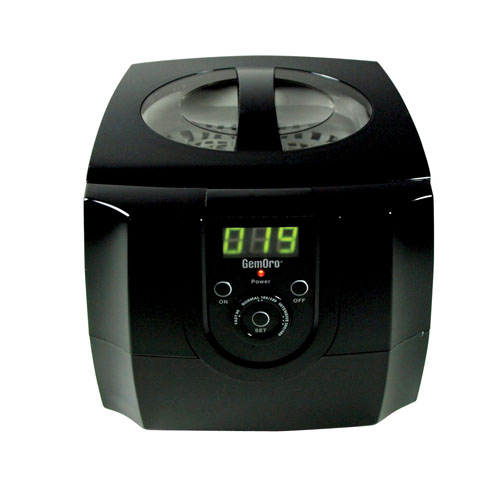
Ultrasonic Jewelry Cleaners for Professional and Home Use
Ultrasonic jewelry cleaners use high-frequency sound waves in a liquid bath to remove polishing residue, oils, dirt, and other contaminants from areas that are difficult to reach manually. They are commonly used in jewelry stores, repair shops, manufacturing facilities, appraisal offices, and home jewelry-care setups.
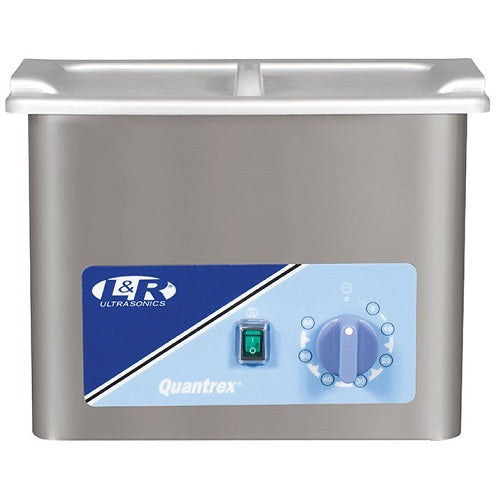
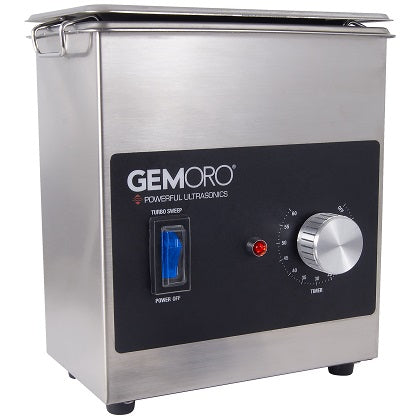
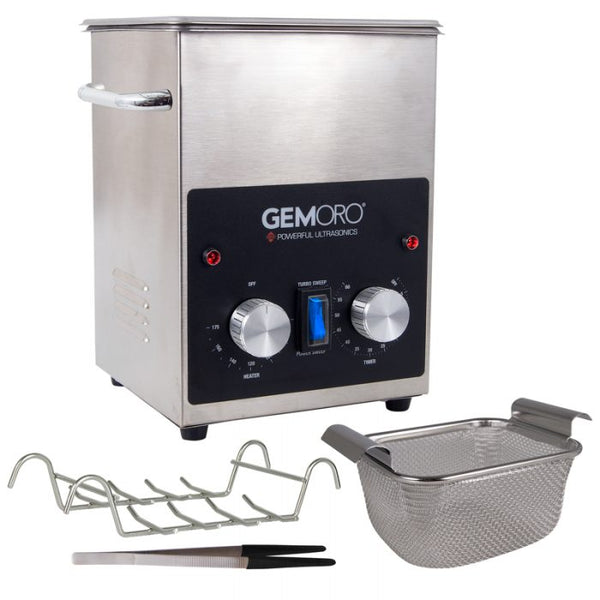
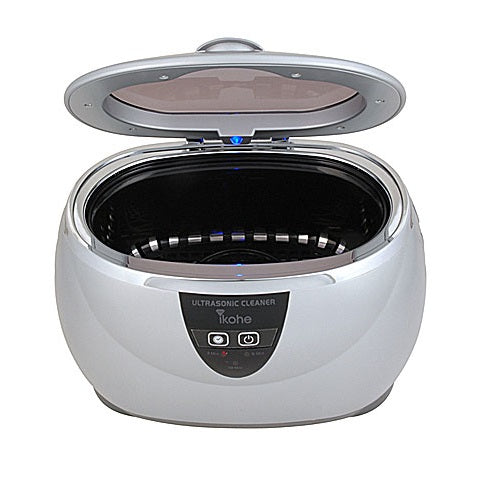
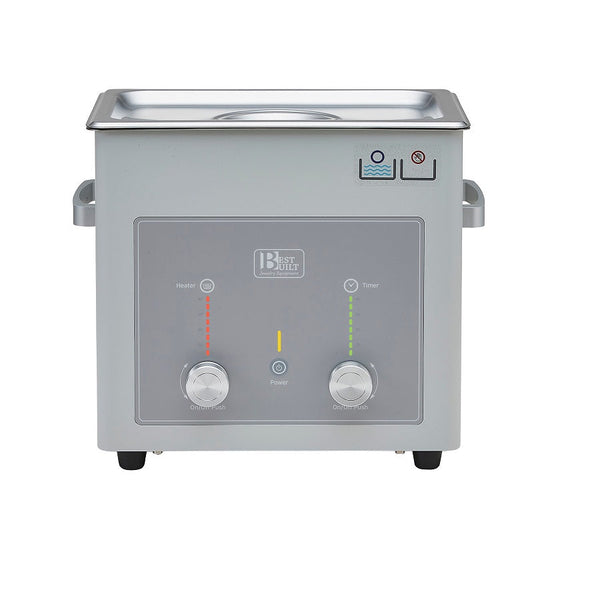
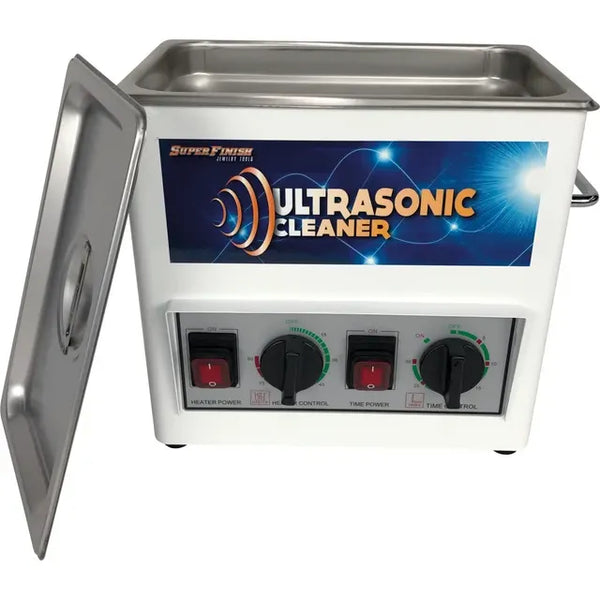
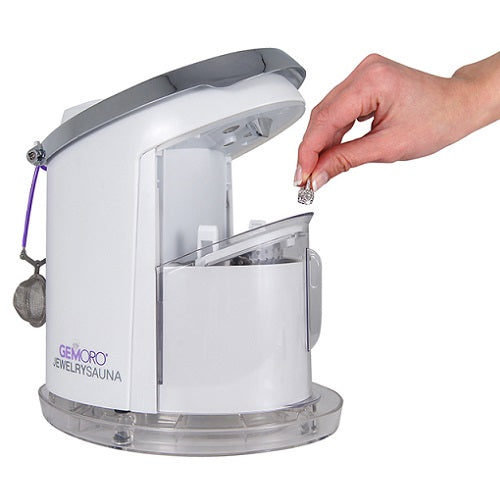
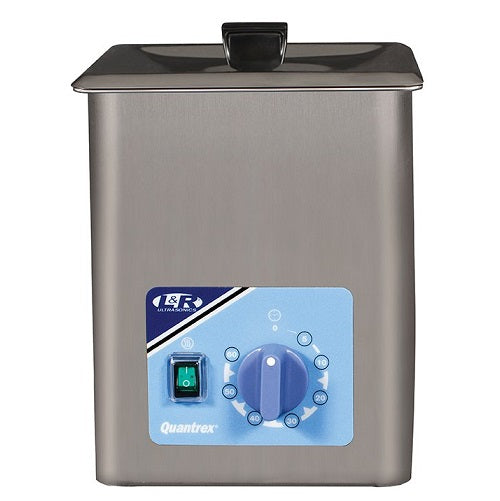
SEP Tools carries compact personal units, heated and digital ultrasonic cleaners, professional machines with larger tanks, ring racks, baskets, replacement parts, and selected combination cleaning systems. Available equipment includes models from L&R, GemOro, Elma, Best Built, ARBE, Ikohe, and other jewelry equipment manufacturers.
How Ultrasonic Jewelry Cleaning Works
An ultrasonic cleaner creates rapidly changing pressure inside a liquid cleaning bath. This produces microscopic bubbles that expand and collapse through a process known as cavitation. The resulting cleaning action reaches beneath compatible stone settings, around links, inside recesses, and across detailed metal surfaces.
Cleaning performance depends on more than the machine alone. The jewelry material, gemstone treatment, condition of the setting, cleaning solution, bath temperature, cycle duration, tank loading, and selected operating mode can all affect the result.
How to Choose an Ultrasonic Jewelry Cleaner
Choose a machine according to the size and quantity of the pieces you normally clean. A small personal unit may be sufficient for occasional use, while a repair shop or jewelry production environment may require heating, a larger tank, drainage, stronger construction, or controls suited to repeated cleaning cycles.
|
Feature
|
Why It Matters
|
What to Compare
|
|
Tank capacity
|
Determines how many pieces and what size jewelry can be processed comfortably
|
Usable interior dimensions, working volume, and basket size
|
|
Heating function
|
May improve removal of grease, oils, and polishing compounds when heat is appropriate
|
Temperature range and whether heat and ultrasound are controlled separately
|
|
Timer and controls
|
Help maintain repeatable cycle times and reduce unnecessary exposure
|
Mechanical or digital timer, display, programs, and automatic shutoff
|
|
Drain system
|
Makes larger tanks easier to empty and maintain
|
Drain valve, hose connection, placement, and replacement parts
|
|
Baskets and racks
|
Keep jewelry separated and away from the bottom of the tank
|
Included accessories, ring capacity, hook spacing, and replacement availability
|
|
Expected workload
|
Occasional home use and repeated shop use place different demands on a machine
|
Manufacturer-rated operating cycle, construction, warranty, and serviceability
|
Heated, Digital, and Professional Ultrasonic Cleaners
Compact and Personal Ultrasonic Cleaners
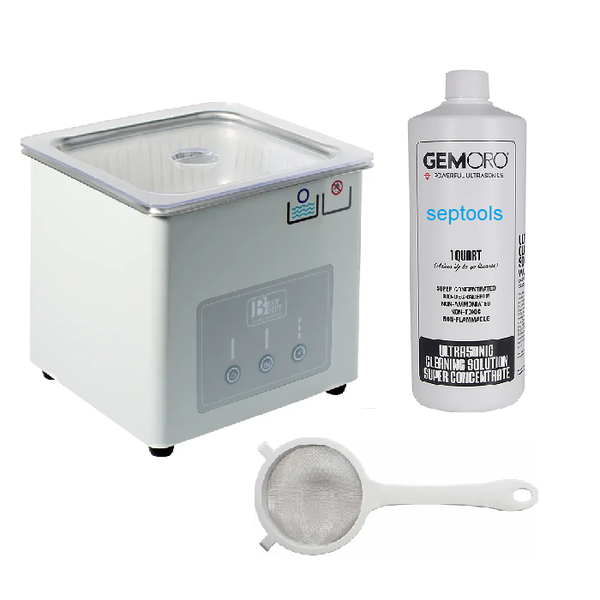
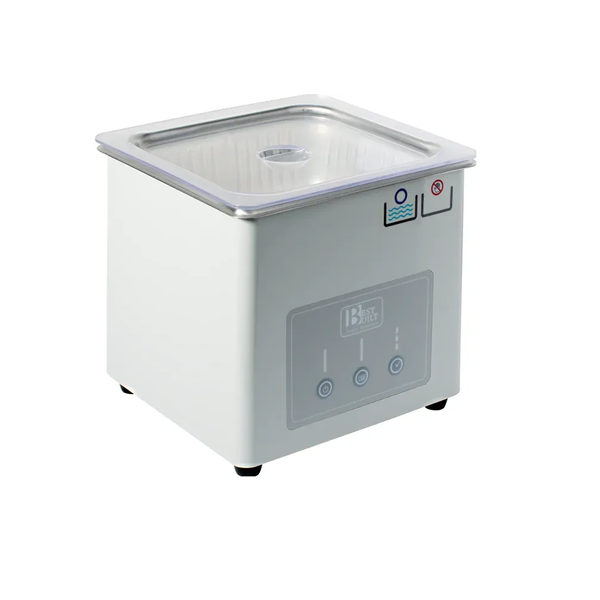
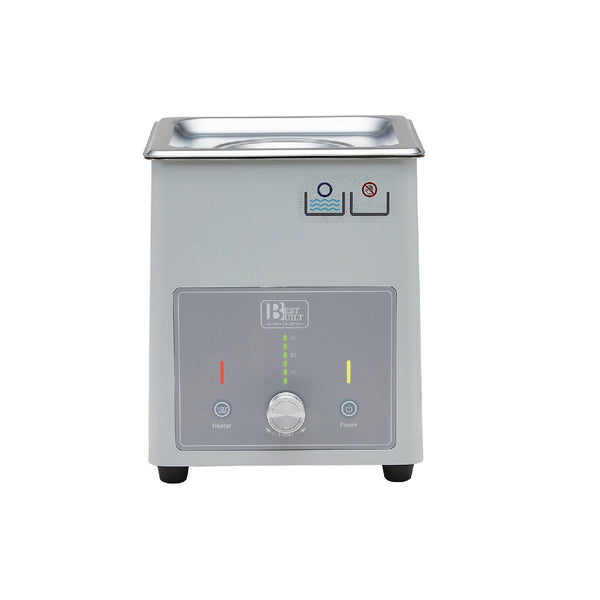
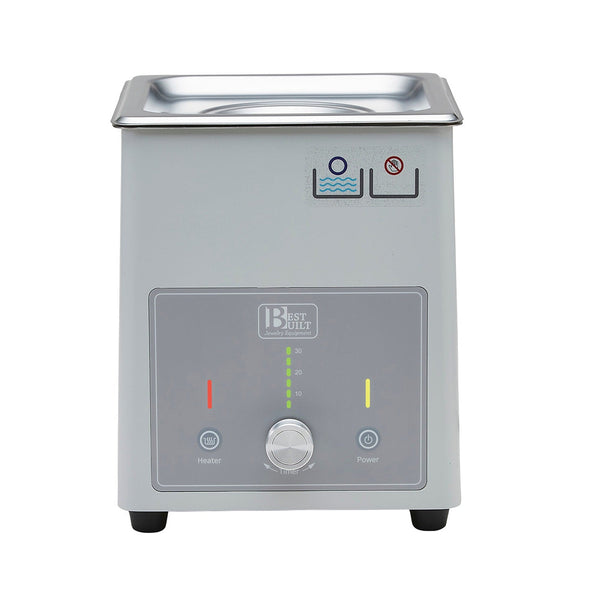
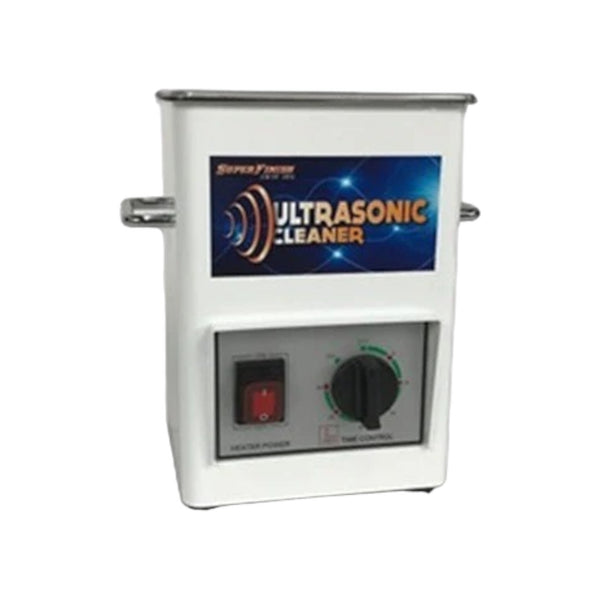
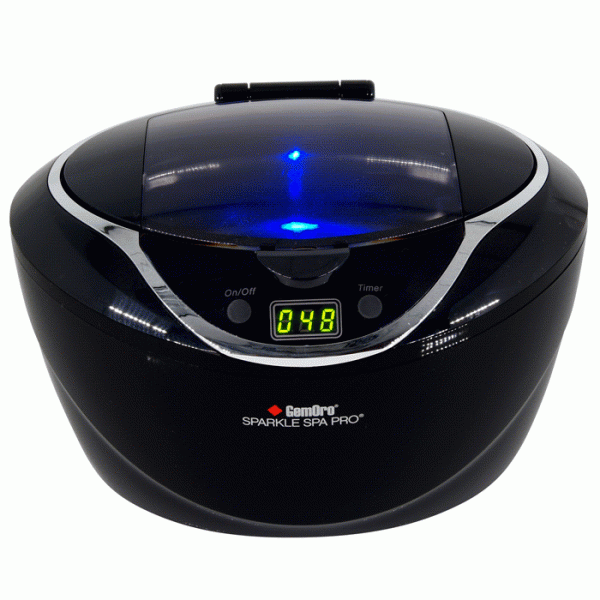
Compact machines are designed for small batches and limited counter space. They can be suitable for occasional cleaning of compatible rings, earrings, chains, and other small items. Before ordering, compare the actual tank dimensions rather than relying only on the stated quart or pint capacity.
Heated Ultrasonic Cleaners
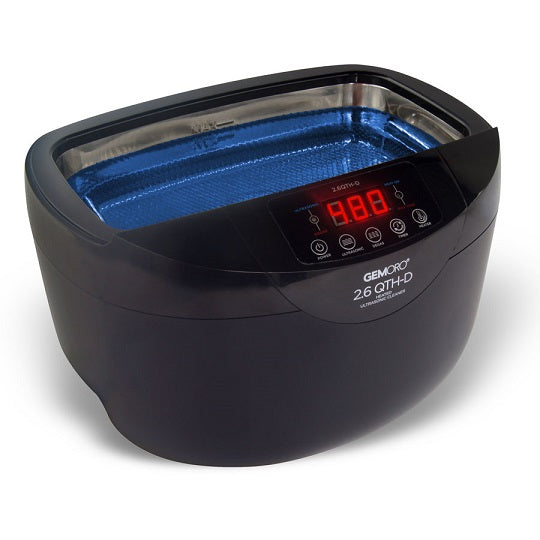
A heated ultrasonic cleaner can assist with oils, grease, and polishing residue when both the jewelry and cleaning solution are compatible with the selected temperature. Heat should not be treated as appropriate for every gemstone, treatment, adhesive, or surface finish.
Digital Ultrasonic Cleaners
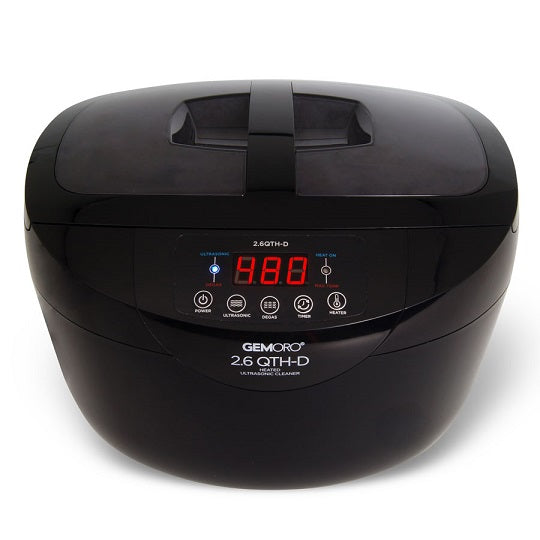
Digital controls can make it easier to set and repeat cleaning times. Depending on the model, additional features may include temperature control, saved programs, operating modes, degassing, automatic shutoff, or indicators for the current cleaning cycle.
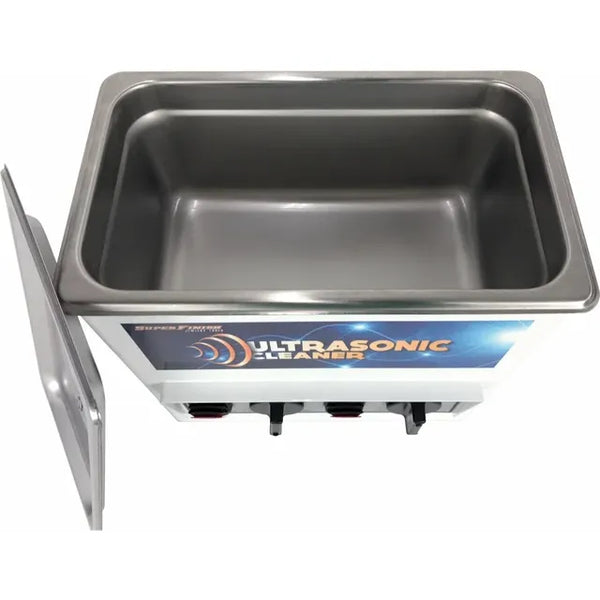
Large-Capacity Professional Machines
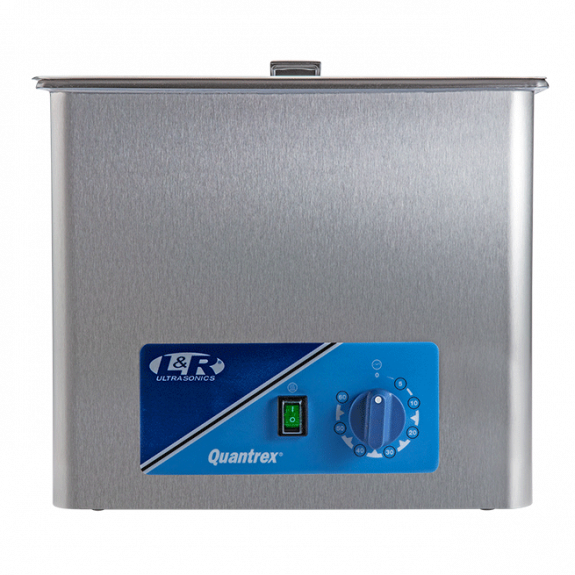
Larger tanks are intended for higher cleaning volume, larger jewelry pieces, multiple racks, or repeated workshop use. Compare usable tank dimensions, drain placement, electrical requirements, heating power, included accessories, and the manufacturer’s operating instructions.
What Jewelry Can Be Cleaned Ultrasonically?
Ultrasonic cleaning may be appropriate for durable, untreated materials when the jewelry is structurally sound and the cleaning solution is compatible. Diamonds and some durable gemstones may be suitable under the correct conditions, but gemstone identity alone is not enough to determine safety. Treatments, inclusions, fractures, adhesives, coatings, and setting condition must also be considered.
Important Ultrasonic Cleaning Precautions
Do not assume that an ultrasonic cleaner is safe for every stone or piece of jewelry. Avoid ultrasonic cleaning unless compatibility has been confirmed for:
- pearls, coral, amber, shell, and other organic gem materials;
- fracture-filled, cavity-filled, oil-treated, resin-treated, wax-impregnated, coated, or dyed stones;
- opal, turquoise, tanzanite, lapis lazuli, malachite, moonstone, sunstone, and other materials sensitive to heat or temperature change;
- jewelry with loose stones, damaged prongs, touching girdles, cracks, or uncertain structural condition;
- pieces whose manufacturer or gemological report recommends a different cleaning method.
When the material, treatment, or condition is uncertain, use a safer cleaning method or have the item evaluated by a qualified jewelry professional before placing it in an ultrasonic bath.
Ultrasonic Cleaner Solutions, Racks, and Accessories
The cleaning liquid should be selected for the jewelry material and the type of contamination being removed. Household chemicals should not automatically be substituted for a solution formulated for compatible ultrasonic cleaning. Review concentration, temperature, contact time, rinsing, disposal, and material restrictions before use.
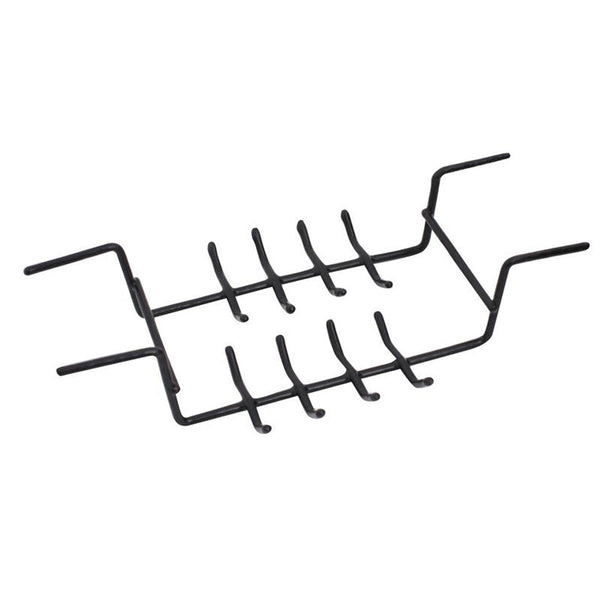
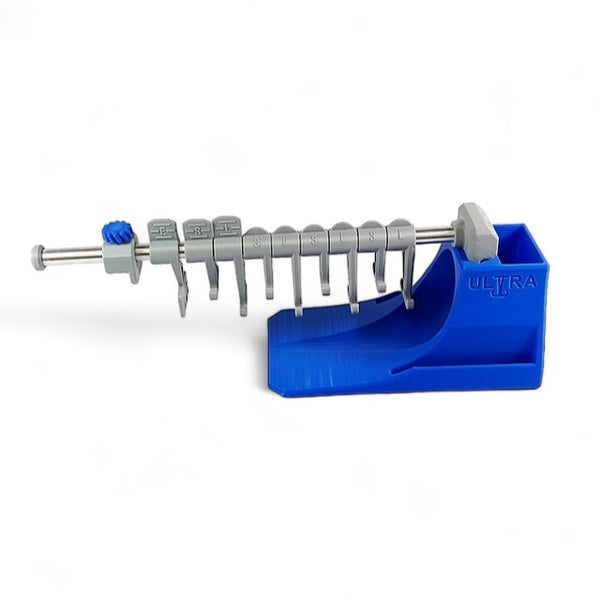
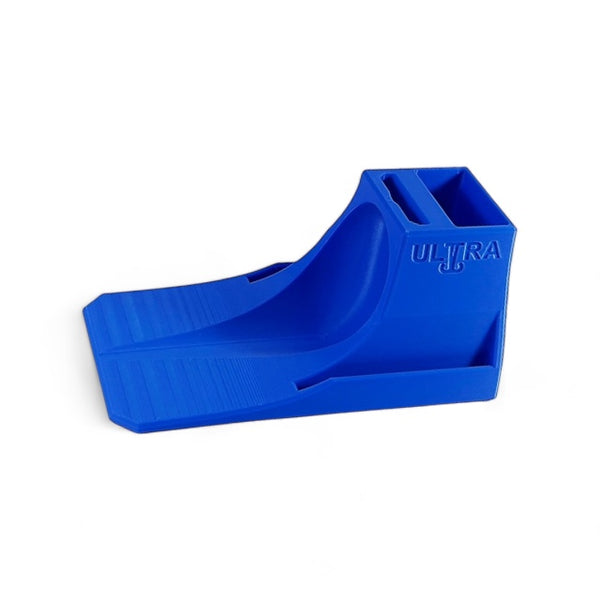
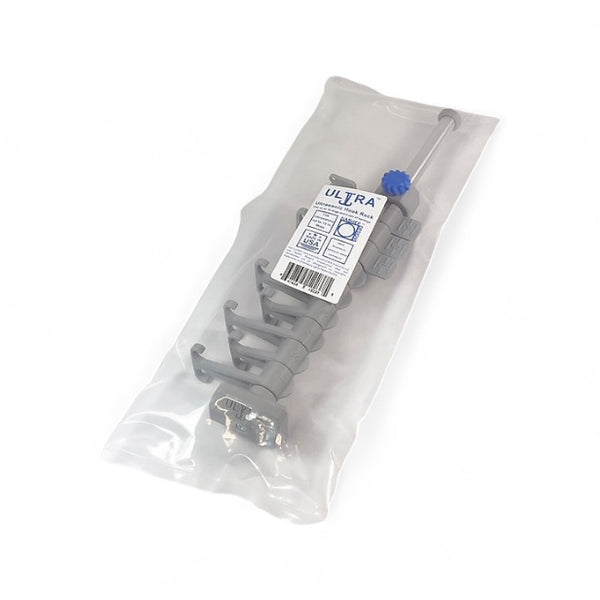
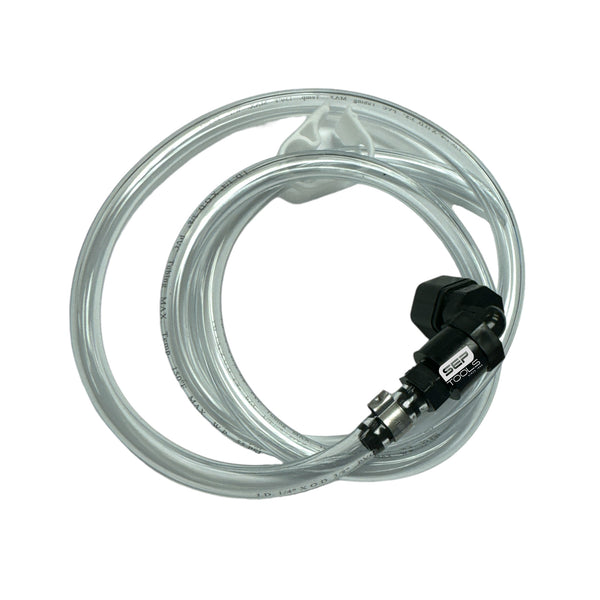
Browse compatible jewelry cleaning solutions and ultrasonic cleaning accessories, including baskets, racks, hooks, hoses, and selected replacement components.
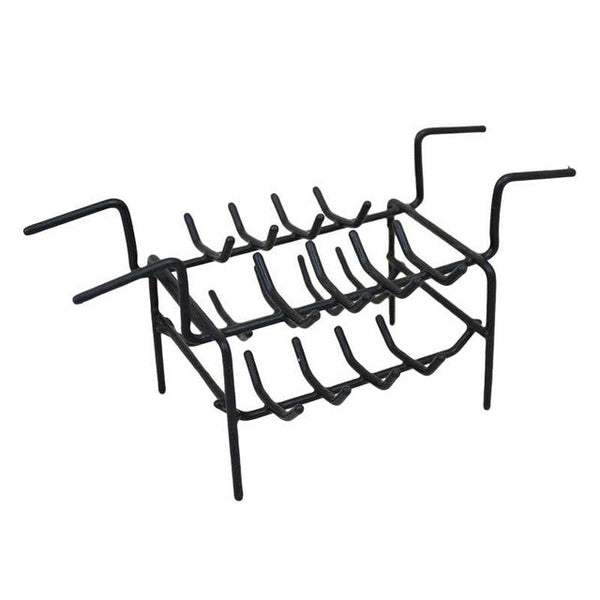
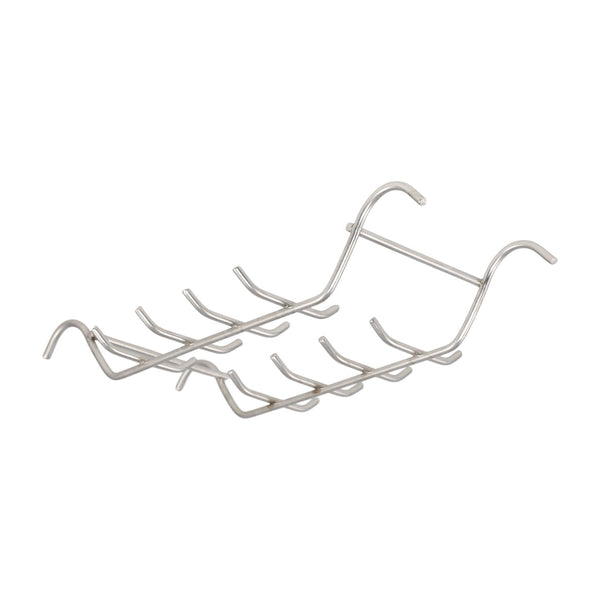
A basket or rack helps keep jewelry away from the tank bottom and prevents pieces from resting directly against the ultrasonic transducers. Jewelry should also be separated so that items do not strike or rub against one another during the cycle.
Ultrasonic Cleaning vs Steam Cleaning
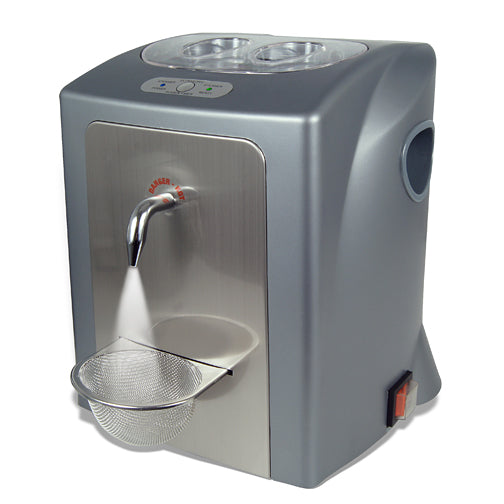
Ultrasonic cleaners and jewelry steam cleaners serve different roles. Ultrasound works through a liquid bath and is useful for reaching recessed areas. Steam directs a pressurized stream toward the jewelry and may be used as a separate finishing step when the materials and setting can tolerate it.
Neither method is universally safe. Inspect the piece, identify the stones and treatments, and follow the instructions supplied with the cleaning machine and solution.
Ultrasonic Jewelry Cleaner FAQ
What jewelry can be placed in an ultrasonic cleaner?
Some durable, untreated jewelry materials may be cleaned ultrasonically when the stone settings are secure and the cleaning solution is compatible. The gemstone, treatment history, inclusions, setting, surface finish, and overall condition should all be evaluated first.
What should not be cleaned in an ultrasonic jewelry cleaner?
Avoid organic gem materials, filled or coated stones, many heat-sensitive gems, and jewelry with loose or damaged settings. Examples include pearls, coral, amber, opal, turquoise, tanzanite, lapis lazuli, malachite, and stones treated with oil, resin, wax, glass, or non-permanent coatings.
Is a heated ultrasonic cleaner better?
Heat may improve the removal of oils, grease, and polishing compounds, but it is not appropriate for every piece. Use only a temperature compatible with the jewelry material, gemstone treatment, setting, and selected cleaning solution.
Can I use plain water in an ultrasonic cleaner?
Water may provide limited cleaning, but the appropriate solution can improve wetting and help remove specific contaminants. Use only a solution approved for the machine and compatible with the jewelry being cleaned. Follow the stated dilution and disposal instructions.
How long should jewelry remain in an ultrasonic cleaner?
There is no universal cycle time for every item. Follow the machine and cleaning-solution instructions, begin with an appropriate short cycle, and inspect the piece before repeating the process. Longer cleaning is not automatically safer or more effective.
Can an ultrasonic cleaner loosen a gemstone?
Yes. Ultrasonic vibration can worsen an already loose or damaged setting. Inspect prongs, channels, bezels, and the stones themselves before cleaning, particularly when working with older, repaired, or heavily worn jewelry.
Find the Right Ultrasonic Jewelry Cleaner
Compare tank size, heating, controls, drainage, accessories, and expected workload before choosing a machine. For help matching an ultrasonic cleaner to a home setup, retail counter, repair bench, or production environment, contact SEP Tools.
 Ships Direct from Manufacturer