CVD and HPHT Diamond Testers for Professional Screening
Laboratory-grown diamonds are produced through Chemical Vapor Deposition (CVD) or High Pressure High Temperature (HPHT) processes. Because these stones share essentially the same chemical composition, crystal structure, and many physical and optical properties as natural diamonds, visual inspection or a conventional thermal diamond tester alone is not enough to establish growth origin.
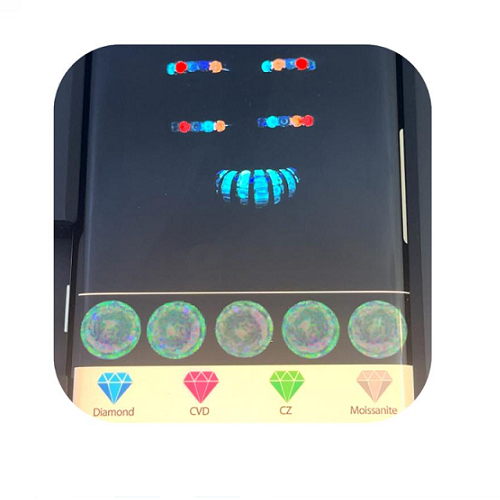
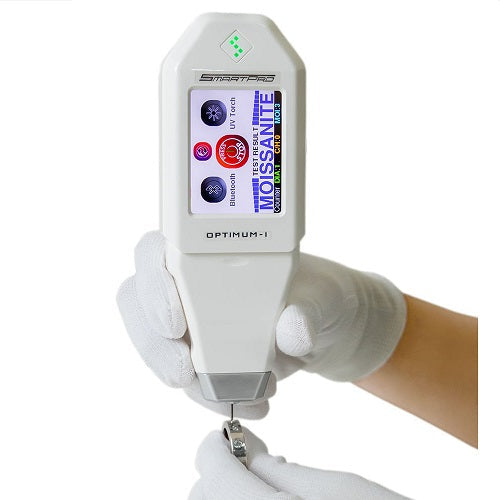
Professional diamond verification instruments use model-specific optical, ultraviolet, imaging, conductivity, or combined screening technologies. Depending on the device, results may separate likely natural diamonds from CVD or HPHT laboratory-grown diamonds, identify moissanite or cubic zirconia, or flag a stone for additional testing.
Diamond Tester vs Synthetic Diamond Screener
The terms diamond tester, lab-grown diamond tester, synthetic diamond screener, and CVD/HPHT detector are sometimes used interchangeably, but the instruments may serve very different purposes.
|
Instrument Type
|
Primary Purpose
|
Typical Application
|
|
Conventional diamond tester
|
Helps separate diamond from many common simulants
|
Initial testing of individual loose or mounted stones
|
|
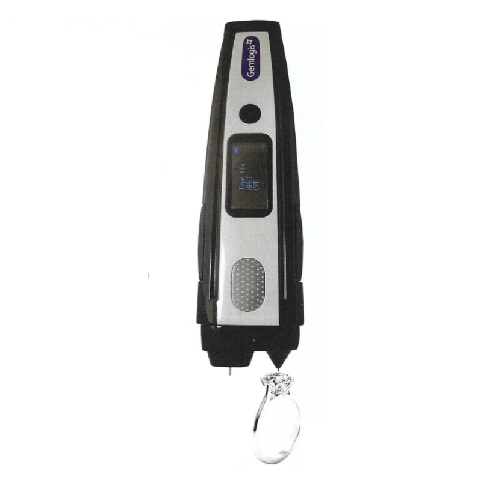
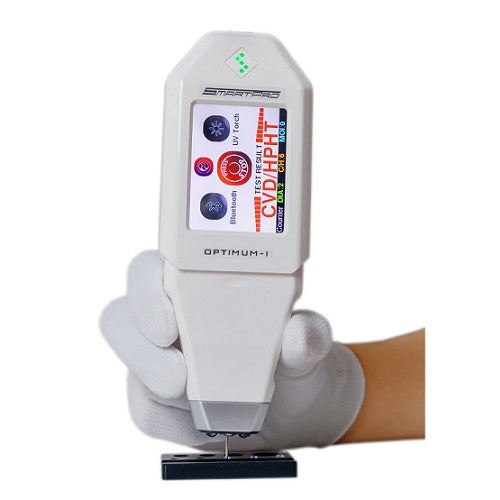
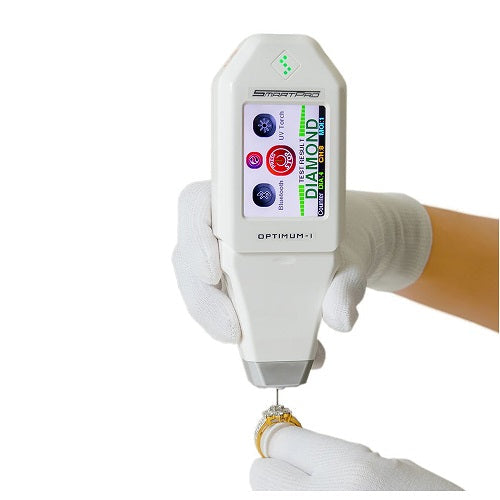
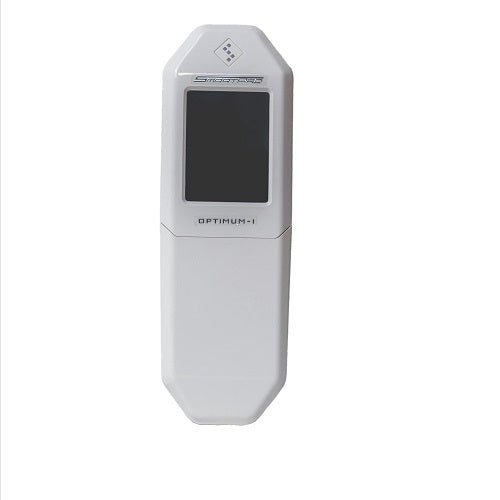
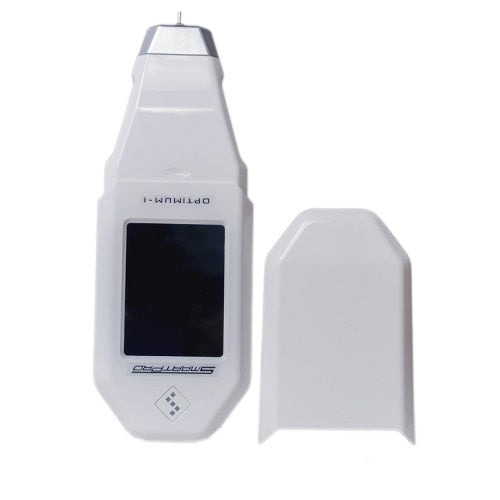
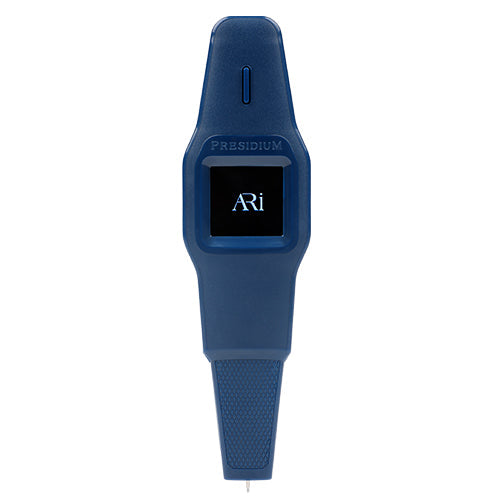
Portable diamond verification instrument
|
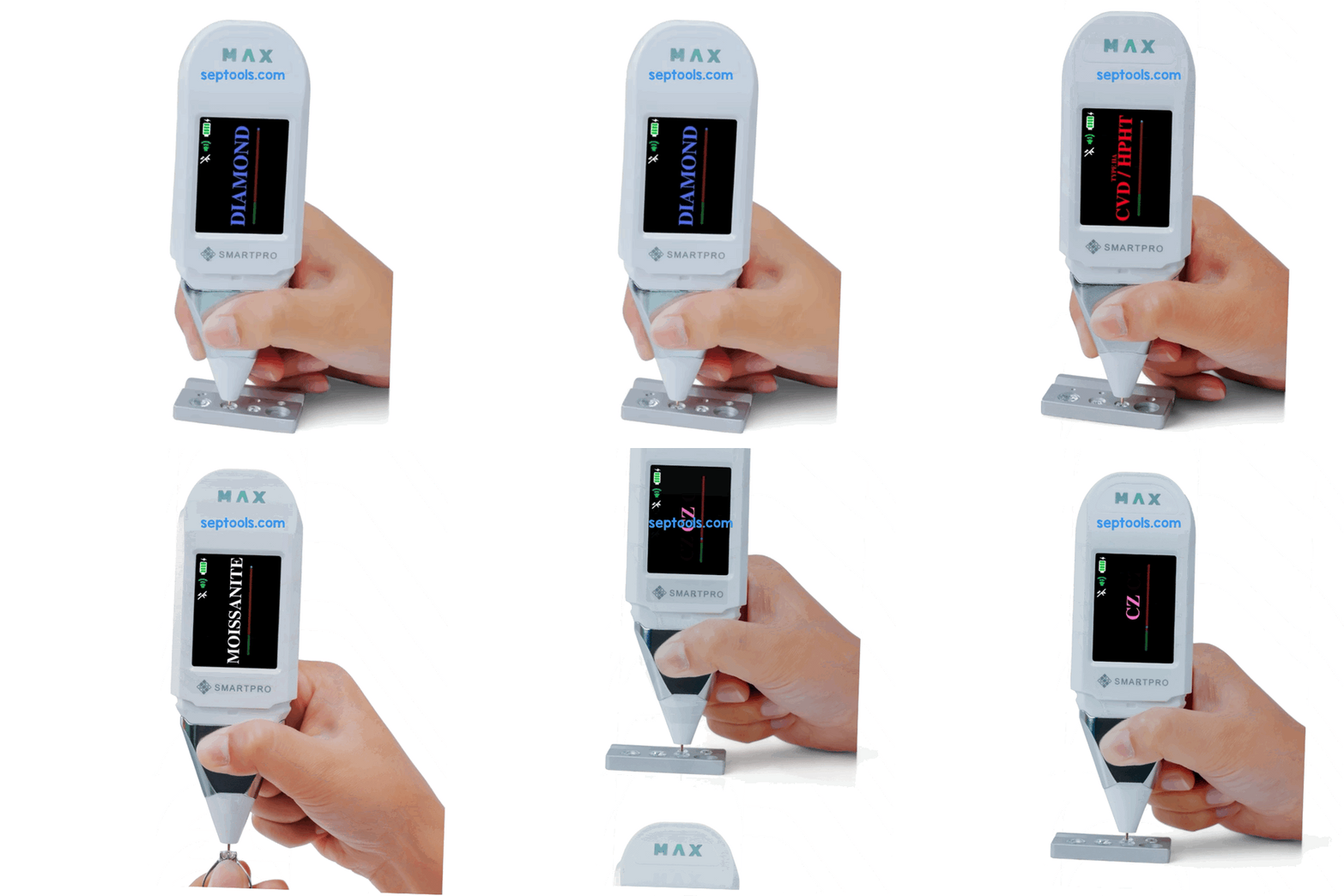
Screens natural diamonds, laboratory-grown diamonds, and selected simulants according to the model
|
Retail counters, appraisals, buying offices, and trade shows
|
|
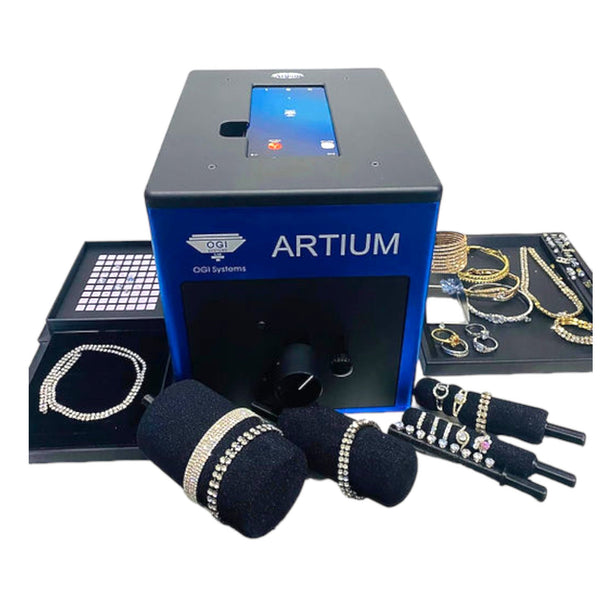
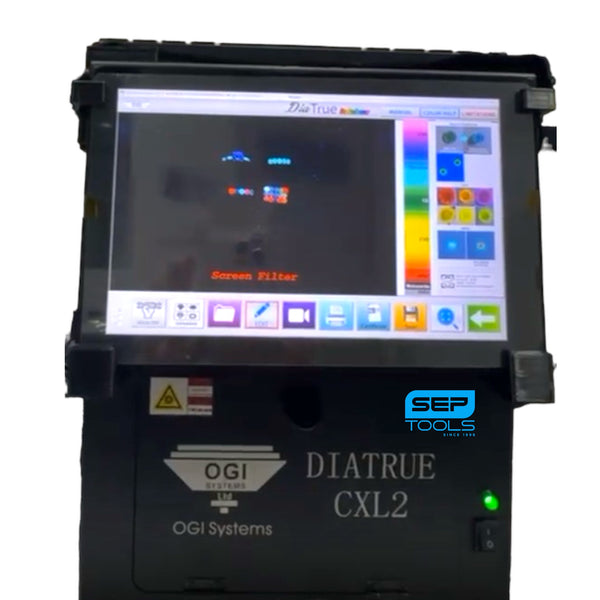
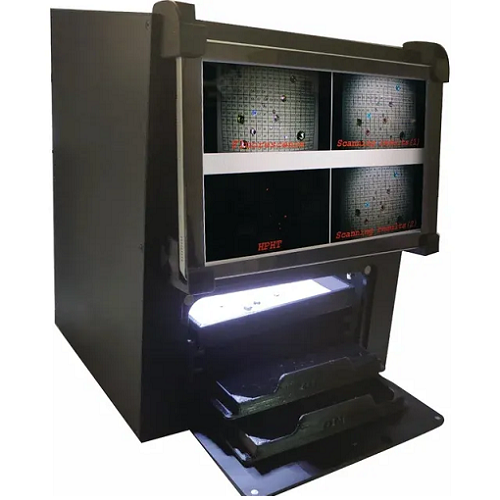
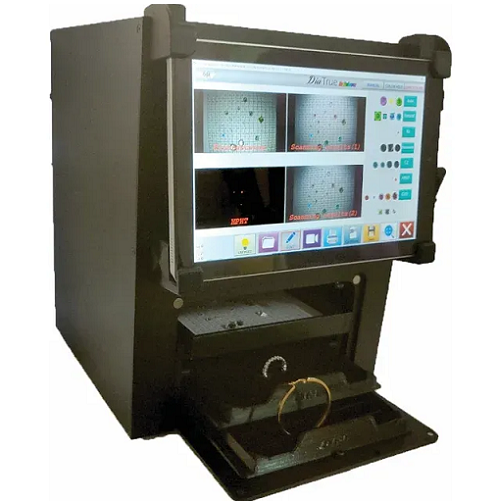
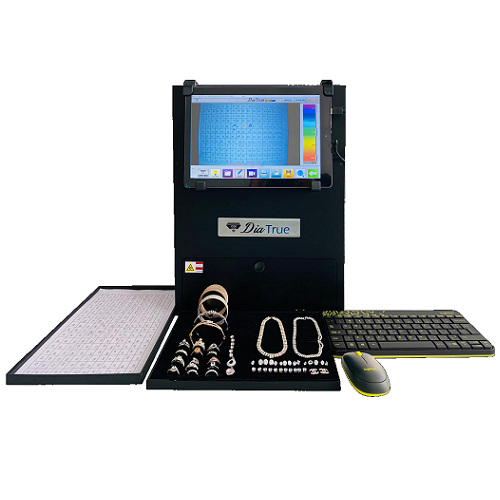
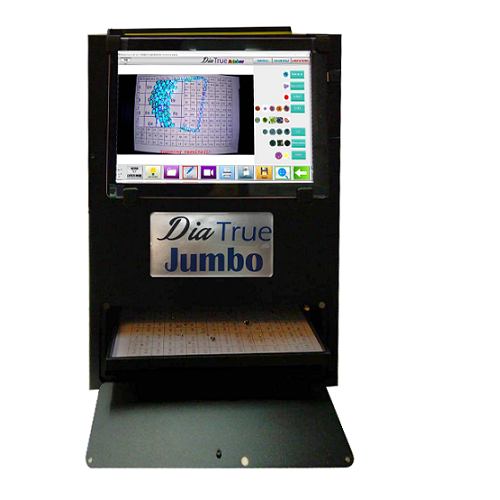
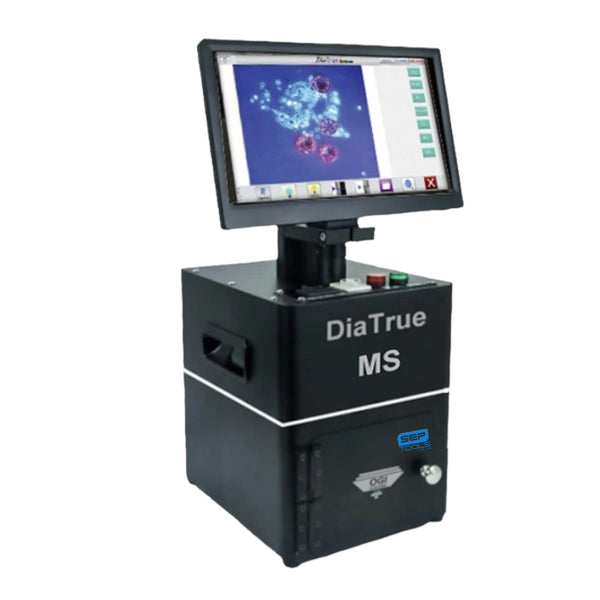
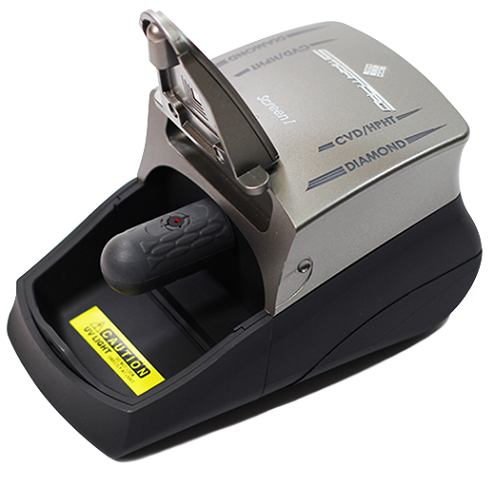
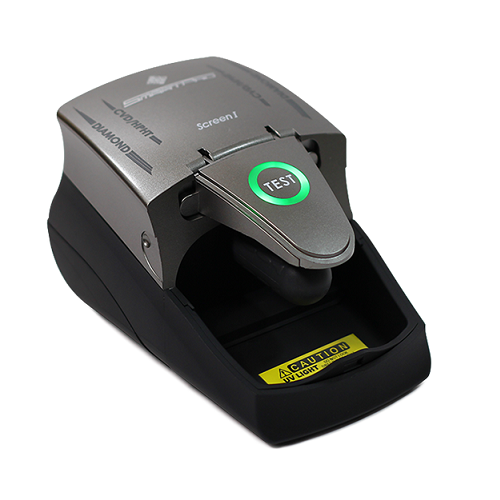
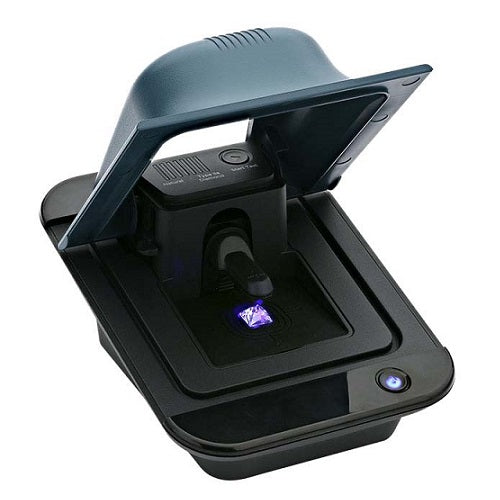
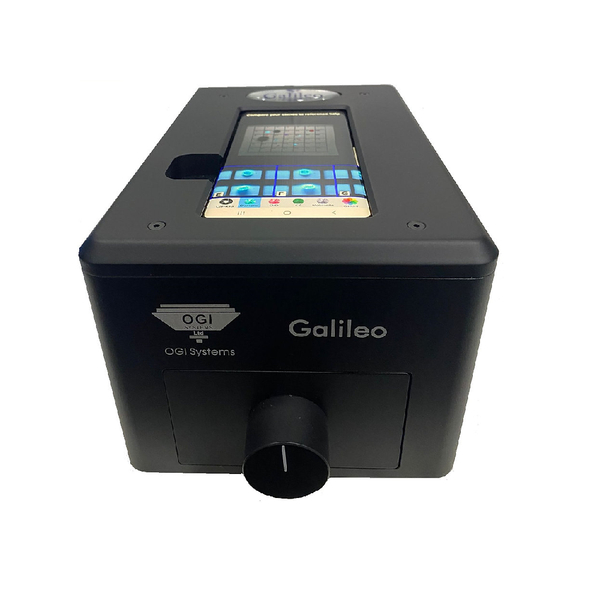
Desktop CVD/HPHT screener
|
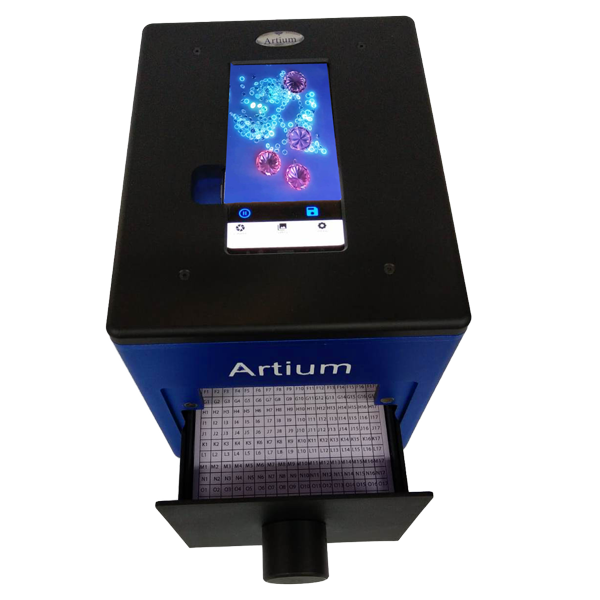
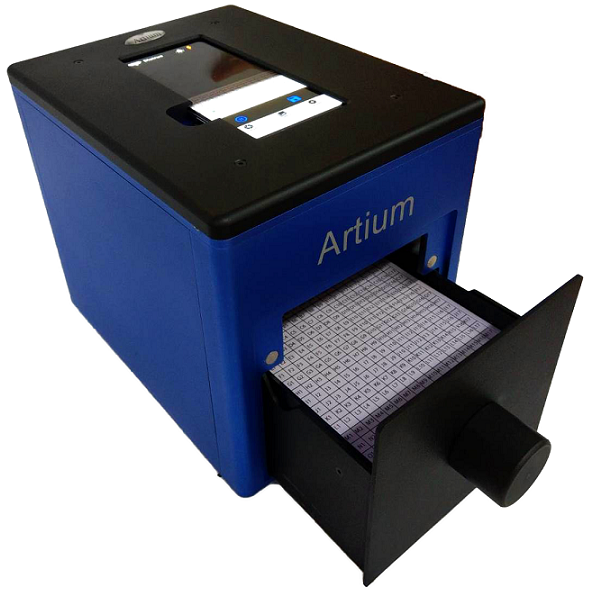
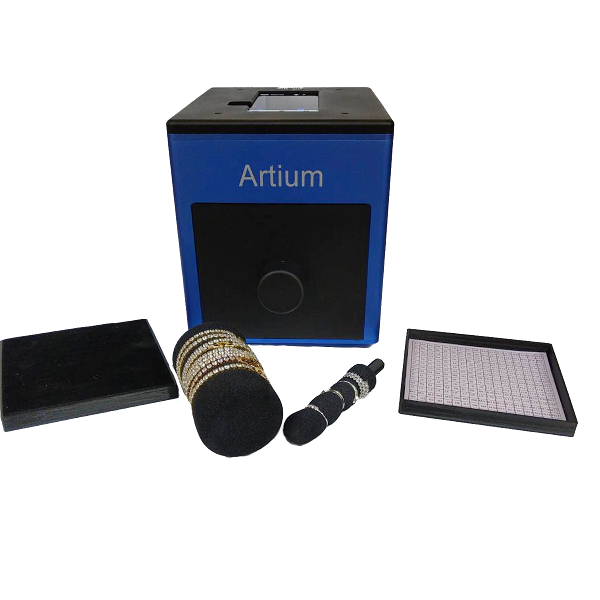
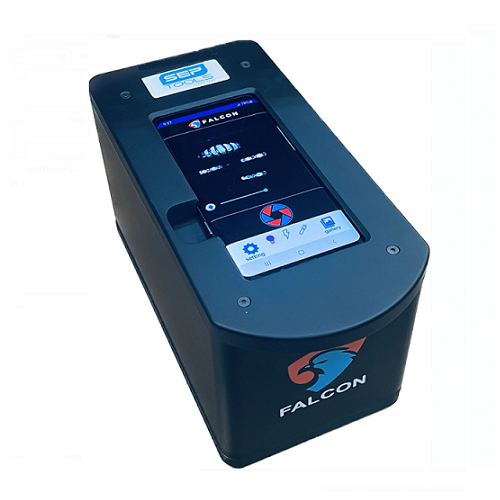
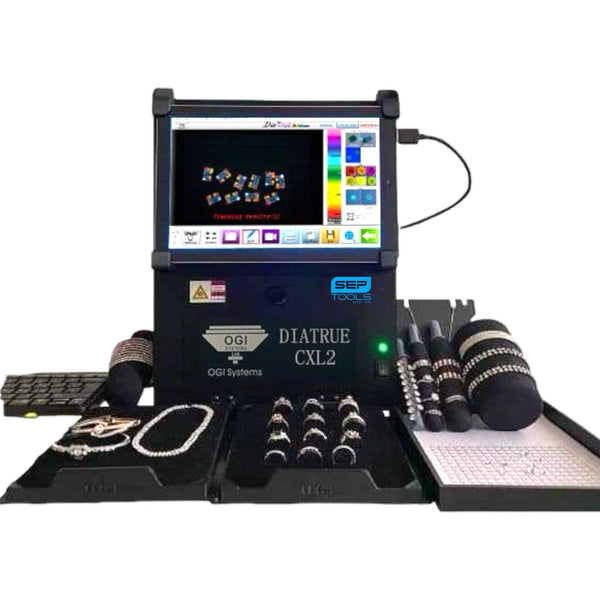
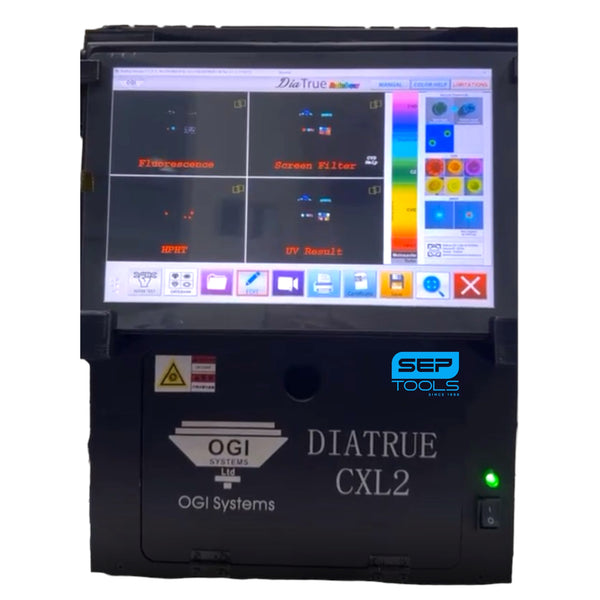
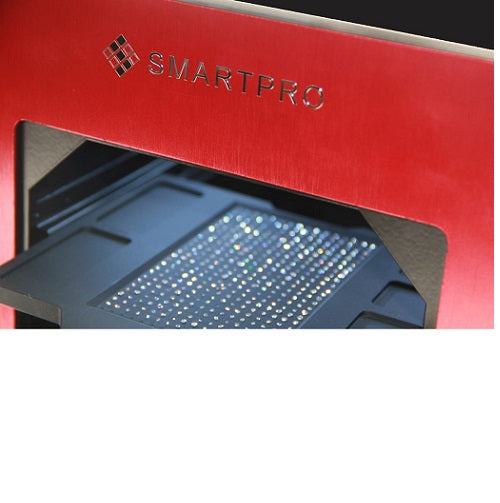
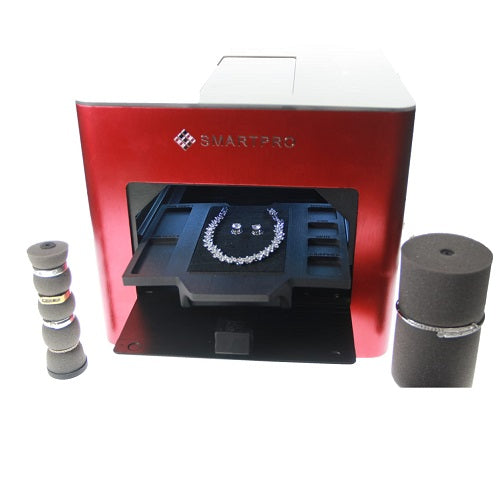
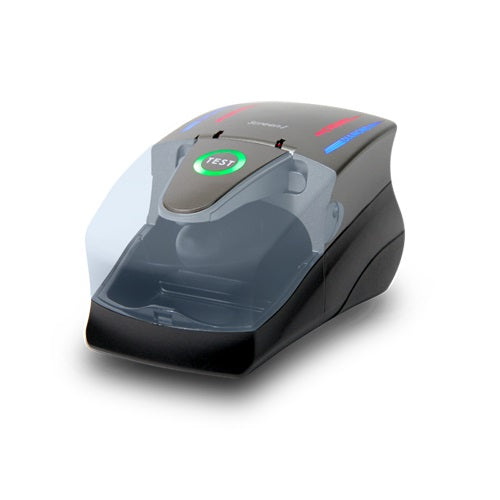
Examines loose stones, mounted jewelry, or small parcels using an enclosed scanning area
|
Jewelry stores, wholesalers, pawn shops, and gemological workrooms
|
|
Melee or high-capacity screening system
|
Processes multiple small stones or larger batches more efficiently
|
Diamond dealers, manufacturers, sorting operations, and laboratories
|
How to Choose a CVD and HPHT Diamond Detector
The right instrument depends on the stones you handle and the role screening plays in your workflow. A handheld tester may be practical for occasional counter checks, while a desktop or high-capacity system may be better for processing inventory, mounted jewelry, or melee parcels.
Loose Stones or Mounted Jewelry
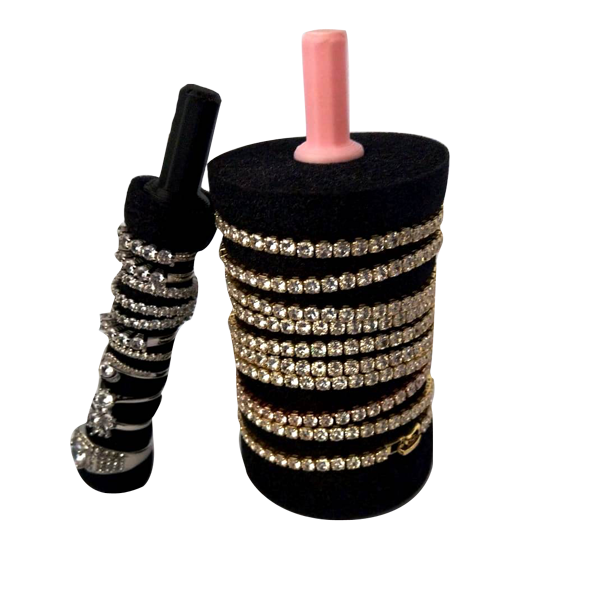
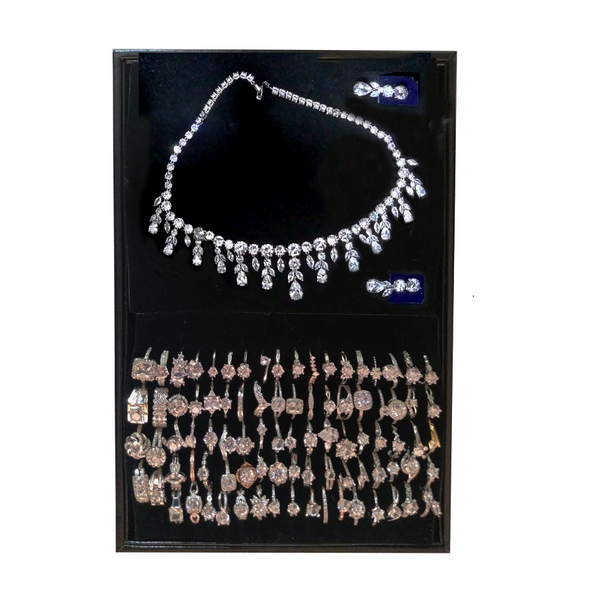
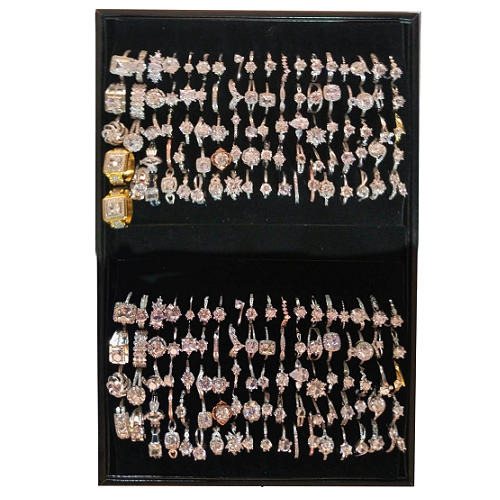
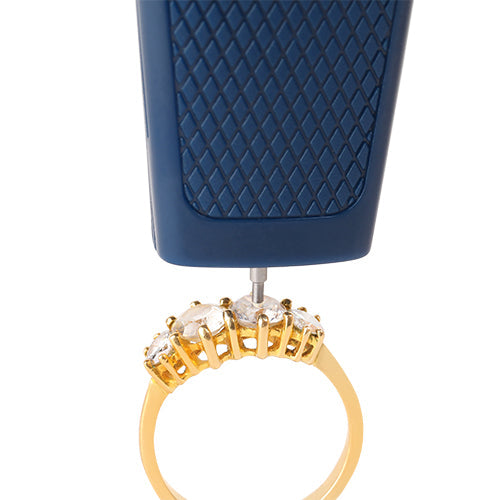
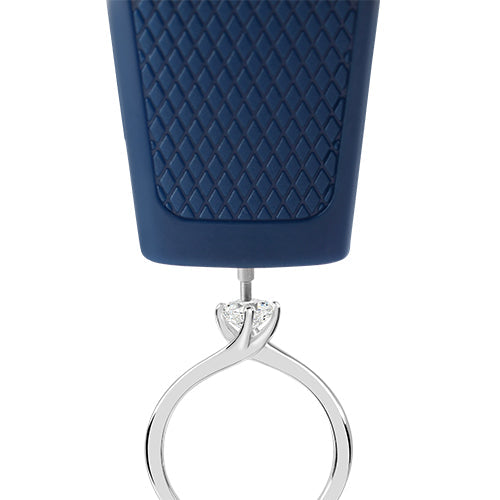
Confirm whether the instrument supports loose diamonds, mounted stones, or both. Some systems can scan rings, earrings, bracelets, and other finished jewelry, while others require an open-back setting or direct access to the stone.
Single-Stone or Batch Screening
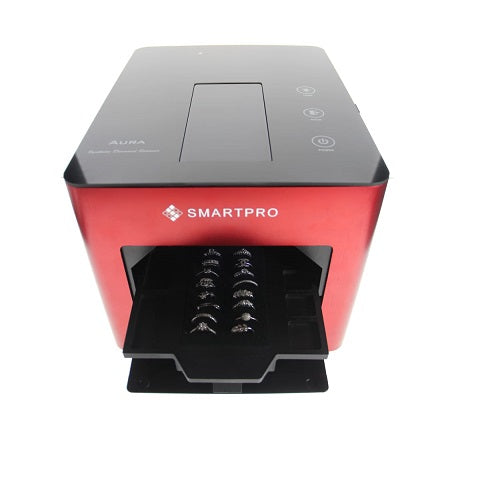
Single-stone instruments are useful for targeted checks and customer-facing applications. Tray-based and imaging systems are designed for multiple loose stones, melee parcels, or several pieces of jewelry in one screening cycle.
Supported Stone Size and Color Range
Every instrument has an operating range. Review the minimum and maximum stone size, accepted shapes, supported color range, and any limitations involving rough, fancy-color, coated, or unusually mounted stones.
Result Categories
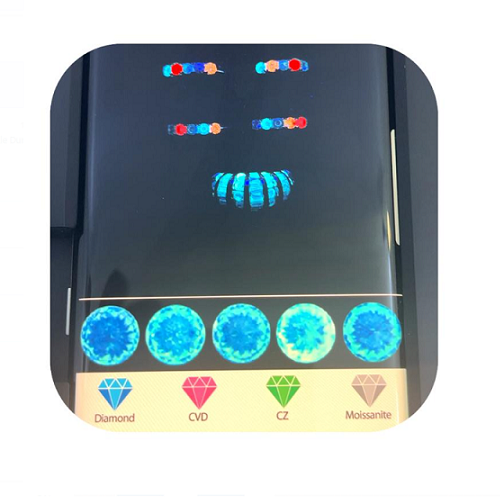
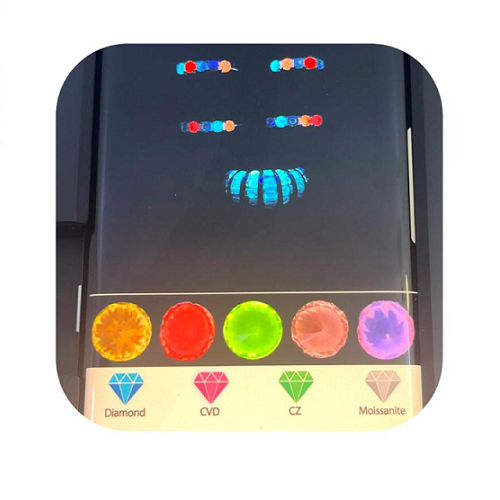
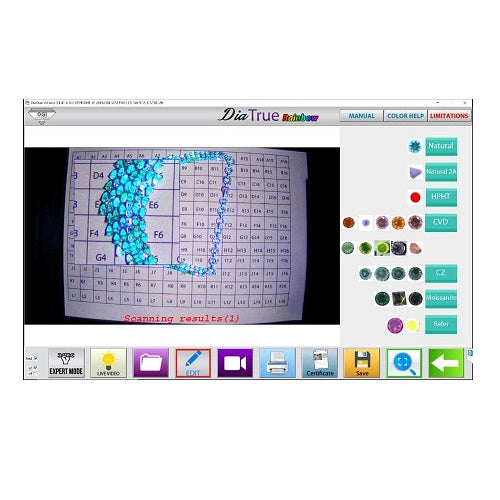
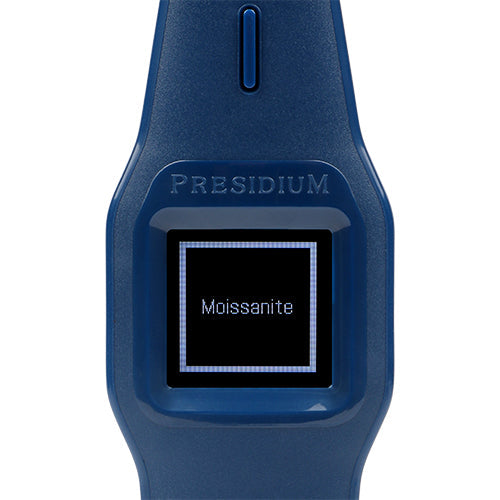
Check exactly what the device reports. Depending on the model, the display may show categories such as natural diamond, CVD/HPHT, Type IIa, moissanite, simulant, or refer. A referral result does not automatically mean that a stone is laboratory-grown. It means additional examination is required before making a final identification.
Simulant Detection
Not every synthetic diamond screener identifies moissanite, cubic zirconia, glass, or other diamond simulants. Some instruments require stones to be pre-screened with a separate diamond or gem tester before CVD/HPHT screening.
Documentation and Connectivity
For inventory control or customer documentation, compare features such as saved test images, certificates, printable reports, result archives, Wi-Fi connectivity, and external display support. These functions can be valuable for high-volume retail, appraisal, and wholesale workflows.
Portable and High-Capacity Diamond Screening Equipment
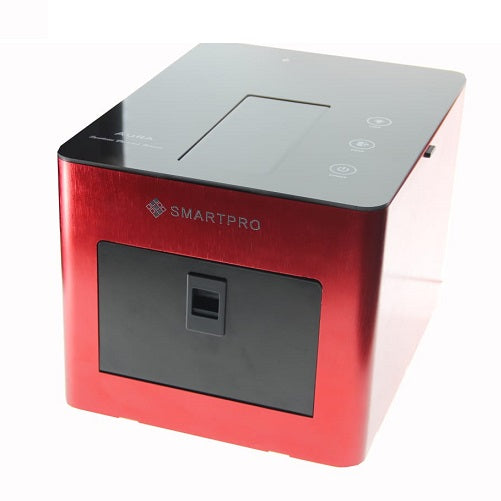
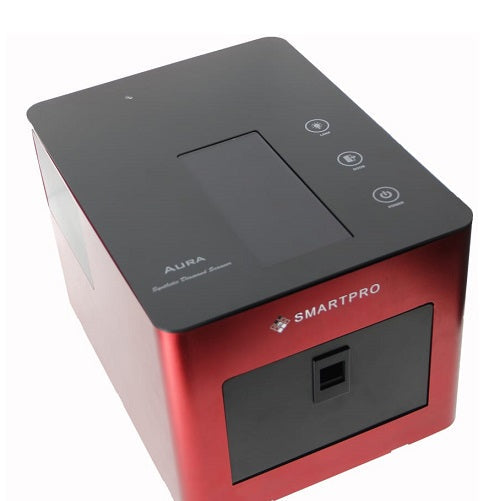
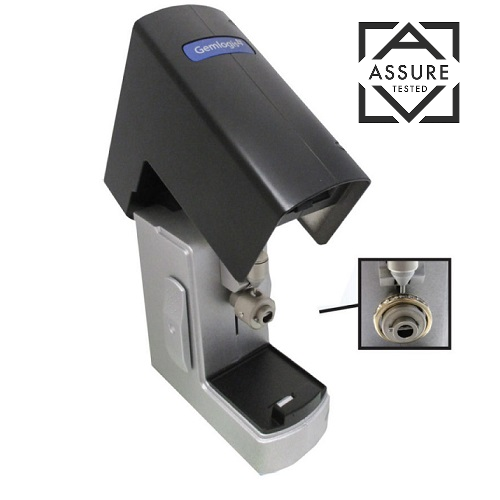
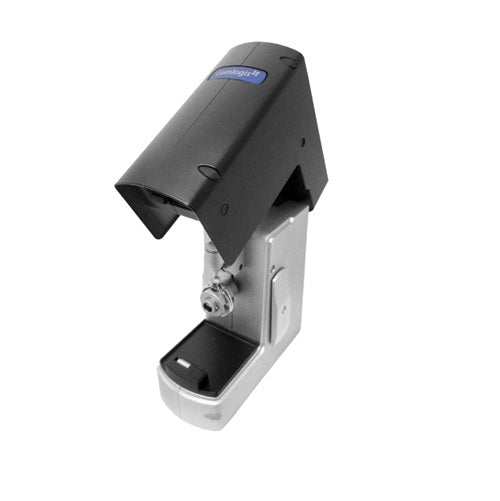
SEP Tools carries portable, handheld, desktop, and high-capacity diamond screening equipment for different professional requirements. Available options include instruments from OGI Tech, SMARTPRO, Presidium, Gemlogis, GemTrue, and SEP Tools.
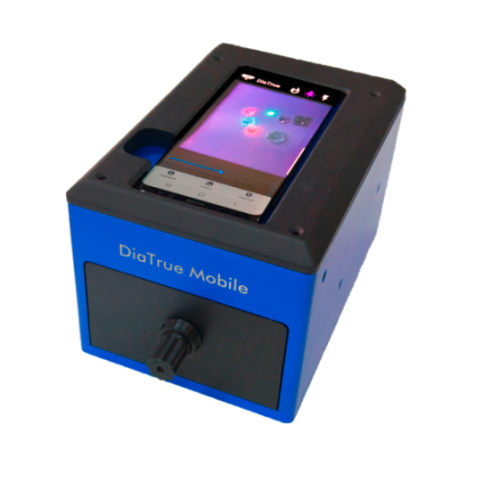
Portable systems are suited to retail counters, business travel, buying appointments, and locations where equipment must be moved frequently. Larger desktop scanners provide more tray space and may support jewelry, loose stones, melee parcels, bracelets, or higher screening volumes, depending on the selected model.
When comparing products, review the individual specifications rather than relying only on terms such as “CVD detector” or “lab-grown diamond tester.” Test speed, capacity, stone access, supported materials, result format, software features, training requirements, and warranty coverage can vary significantly.
Supporting Tools for Diamond Verification
A professional screening workflow may also include gemological microscopes for visual examination, loupes and magnifiers, tweezers and gem holders, and precision carat scales.
Screening equipment should be used within the manufacturer’s stated operating range and as part of a documented verification process. Stones that produce referral, uncertain, or unexpected results should receive additional testing with an appropriate instrument or qualified gemological laboratory.
CVD and HPHT Detector FAQ
Can a regular diamond tester detect CVD and HPHT diamonds?
A conventional thermal diamond tester may help distinguish diamond from many common simulants, but thermal conductivity alone should not be used to determine whether a diamond is natural or laboratory-grown. A dedicated diamond verification instrument is required for CVD and HPHT screening.
Can CVD and HPHT detectors test mounted jewelry?
Some models support rings, earrings, bracelets, pendants, and other mounted jewelry. Compatibility depends on the size of the testing chamber, the setting design, stone access, and the instrument’s stated operating limitations.
What does a referral result mean?
A referral result means the instrument could not clear the stone within its natural-diamond criteria. It is not automatically a final laboratory-grown identification. The stone should be tested further using the procedure recommended by the instrument manufacturer.
Can one machine test both individual diamonds and melee parcels?
Some desktop and imaging systems support both individual stones and multiple-stone trays. Handheld probe testers are generally more suitable for one stone at a time. Review the product specifications for capacity, minimum stone size, and supported stone presentation.
How do I compare different diamond screening machines?
Compare the supported stone size and color range, loose and mounted capabilities, throughput, simulant handling, result categories, portability, documentation options, independent performance testing, warranty, and available technical support.
Choose the Right Diamond Screening System
Selecting a CVD and HPHT detector is easier when the instrument is matched to your normal inventory and testing volume. For help comparing portable testers, mounted-jewelry screeners, melee systems, and high-capacity machines, contact SEP Tools before ordering.