Skip to content

Welcome guest

Please login or register
Flexshafts & Micro Motors Flexshafts & Micro Motors

Flexshafts & Micro Motors

Sorted by:
Showing 36 of 36 products

Flexshafts and Micro Motors for Jewelry Bench Work

Flexshafts and micro motors are essential rotary tools for professional jewelry making, repair, stone setting, engraving, polishing, drilling, grinding, and detailed finishing. They give jewelers controlled speed, precision, and handpiece flexibility for work that requires accuracy at the bench.

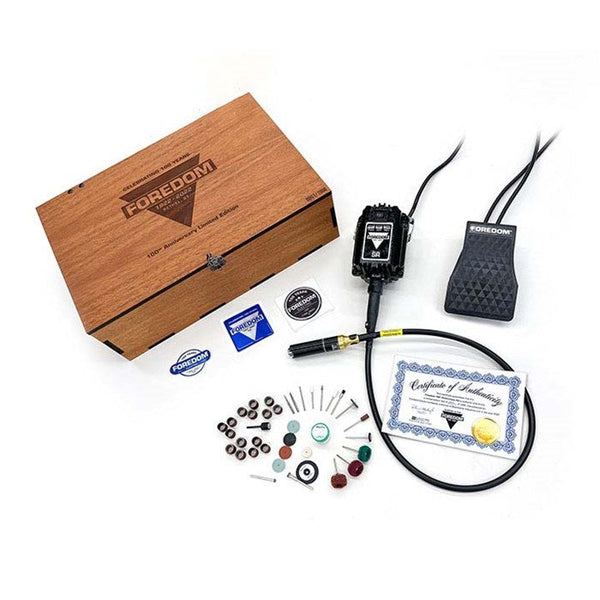
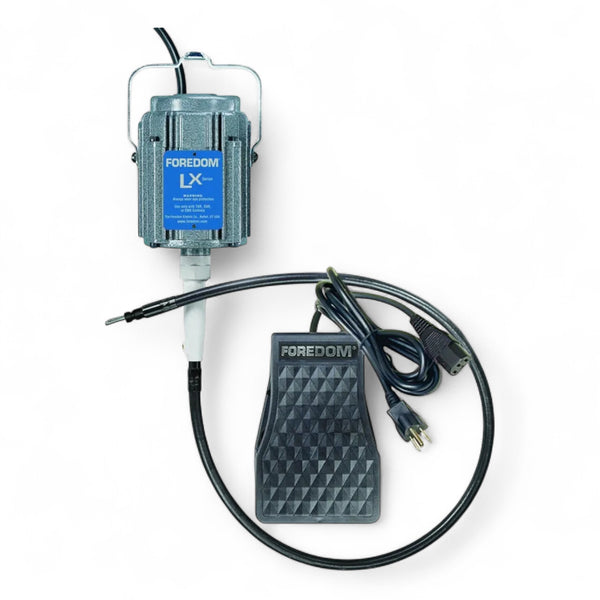
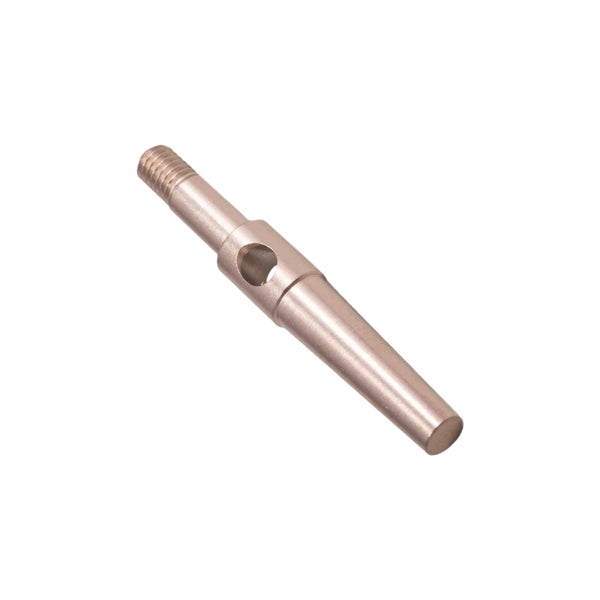
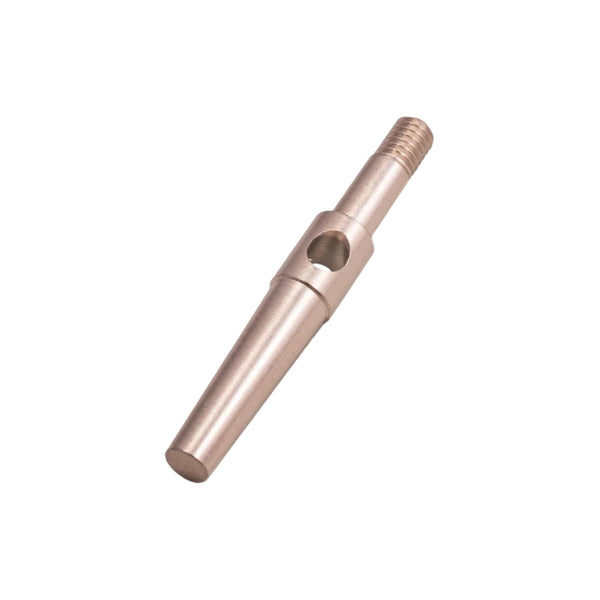
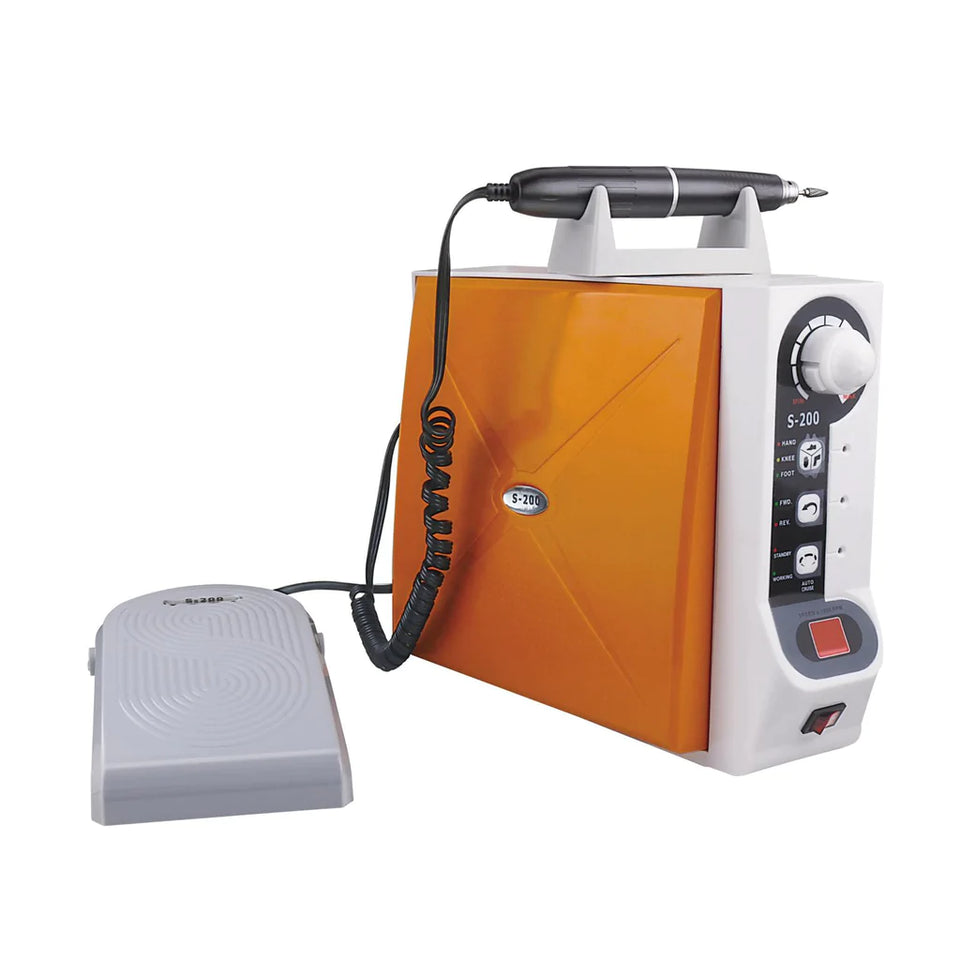
SEP Tools offers flexshafts, micro motors, handpieces, foot controls, motor kits, hammer attachments, collets, replacement parts, and related accessories for jewelers, setters, metalsmiths, watch repair professionals, and jewelry studios.

What Is a Flexshaft Used For?

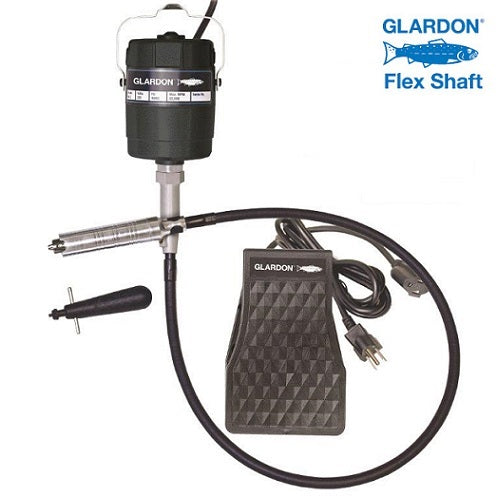
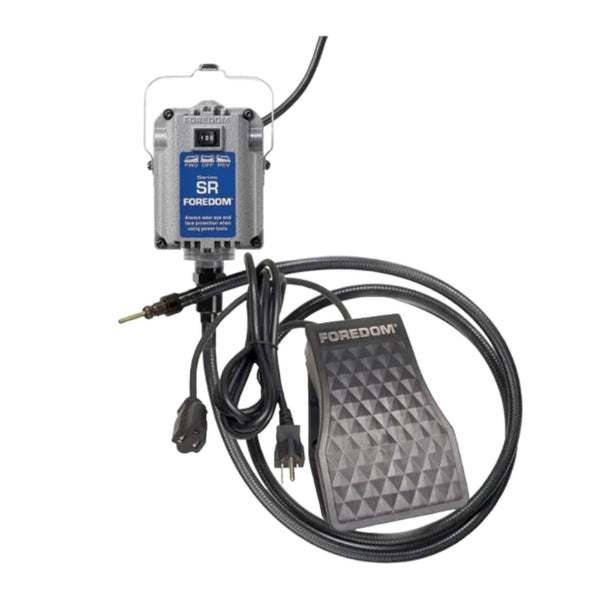
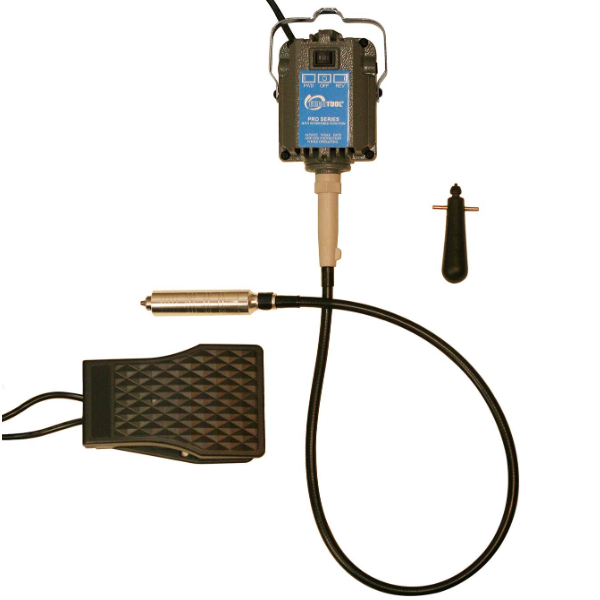
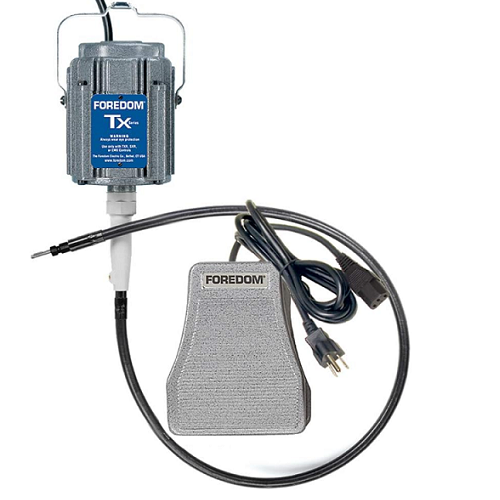
A flexshaft connects a motor to a handpiece through a flexible shaft, allowing the jeweler to control rotary tools while keeping the motor away from the hand. This setup is useful for daily bench tasks where control, torque, and attachment compatibility matter.

  • Drilling holes in metal, wax, resin, and selected jewelry materials
  • Grinding, shaping, and refining castings or fabricated components
  • Polishing rings, pendants, bezels, prongs, and small details
  • Using burs, abrasive wheels, rubber wheels, polishing points, and brushes
  • Supporting stone setting, engraving preparation, and repair work
  • Working in recessed or hard-to-reach areas with better handpiece control

Micro Motors for Precision Jewelry Work

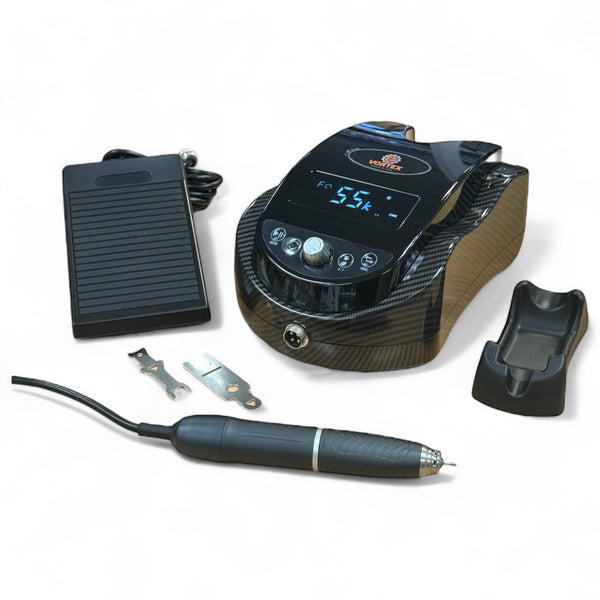
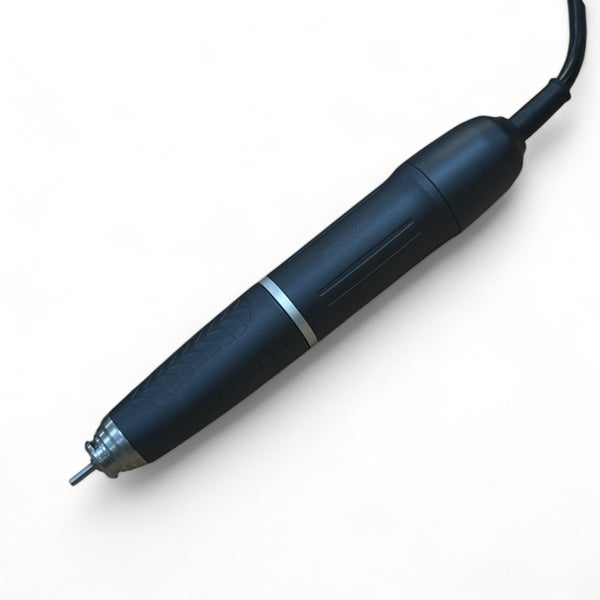
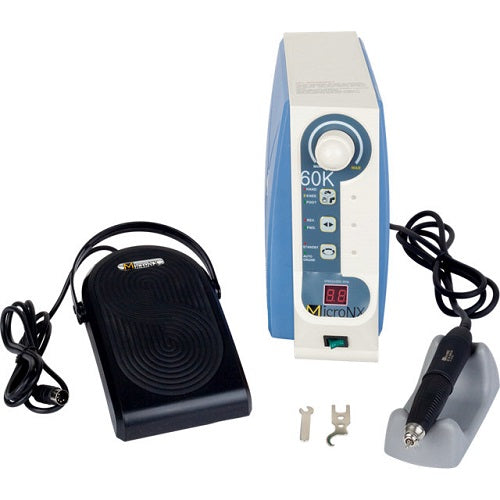
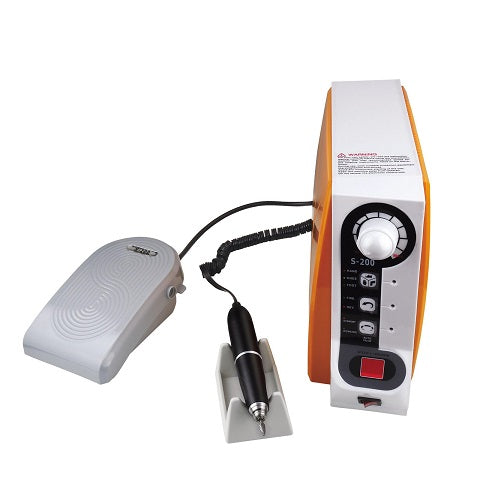
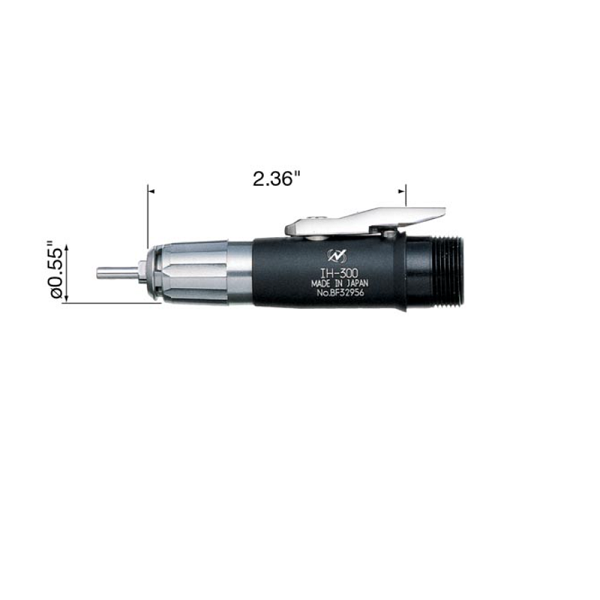
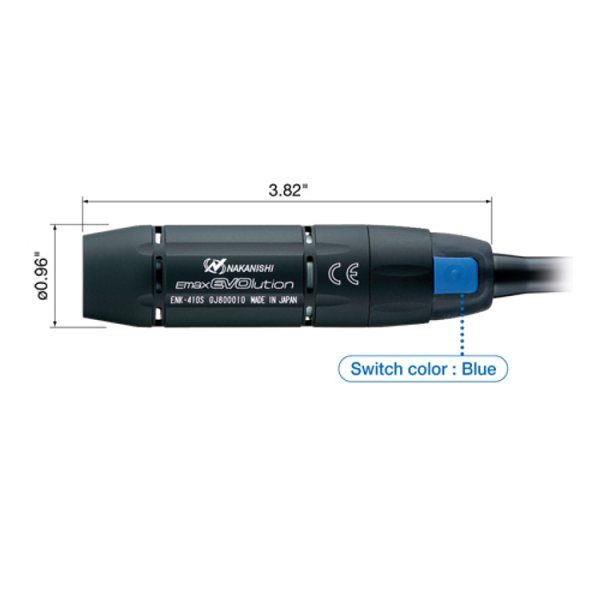
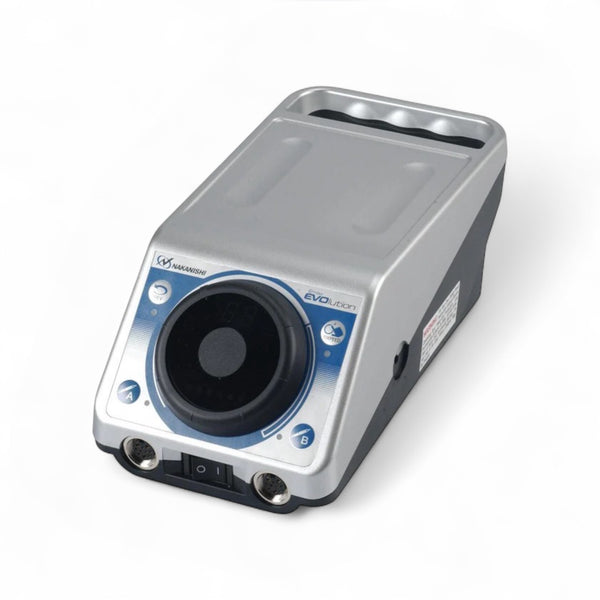
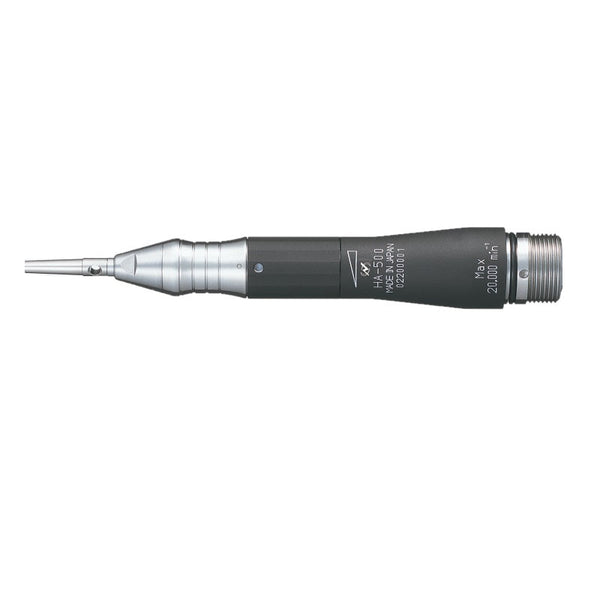
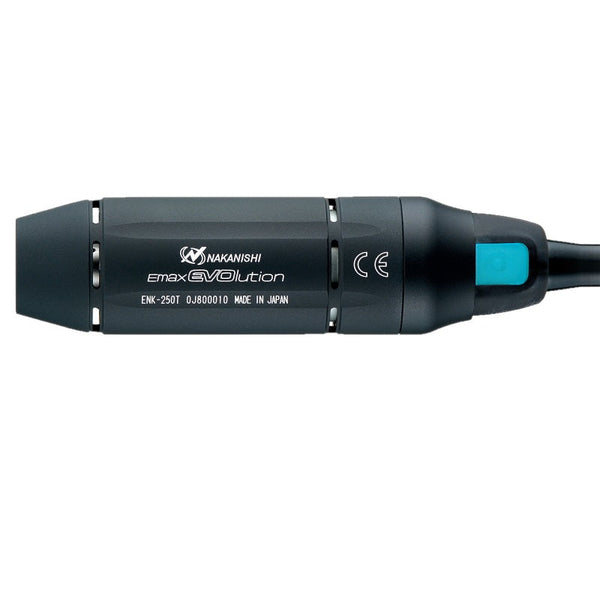
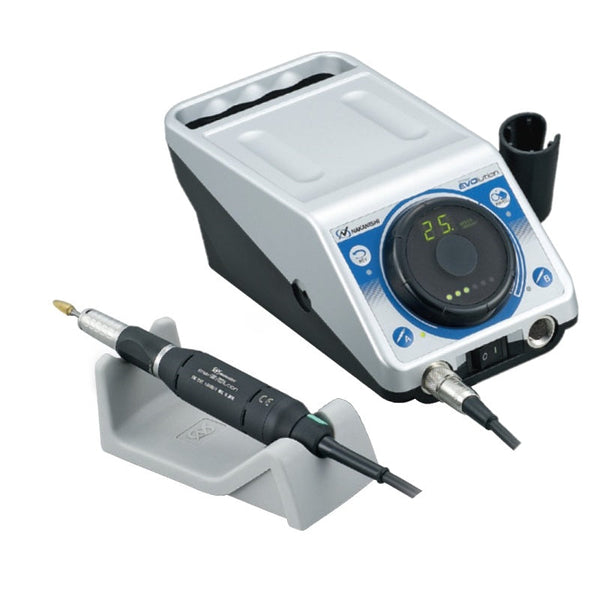
Micro motors are often chosen for high-speed precision work, especially when a lighter handpiece and smooth speed control are important. They are useful for detailed finishing, stone setting support, engraving preparation, fine grinding, wax work, and controlled polishing.

Compared with many traditional flexshaft setups, micro motors can feel more compact at the handpiece and may offer smoother control at higher speeds. The best choice depends on the type of work, preferred handpiece feel, torque requirements, speed range, and whether the tool will be used occasionally or throughout the workday.

Choosing Between a Flexshaft and a Micro Motor

Both tools can be valuable in a jewelry workshop, but they are not always used for the same purpose. A flexshaft is a versatile bench standard for general jewelry repair, polishing, drilling, grinding, and shaping. A micro motor is often preferred for fine detail work, lighter hand control, and high-speed precision.

  • Choose a flexshaft if you need a versatile tool for everyday bench work, general repair, polishing, drilling, and heavier rotary tasks.
  • Choose a micro motor if you need smoother high-speed control, a compact handpiece feel, and precision for detail-focused work.
  • Choose both if your bench handles a wide range of repair, fabrication, polishing, and setting tasks every day.

Handpieces, Foot Controls, and Attachments

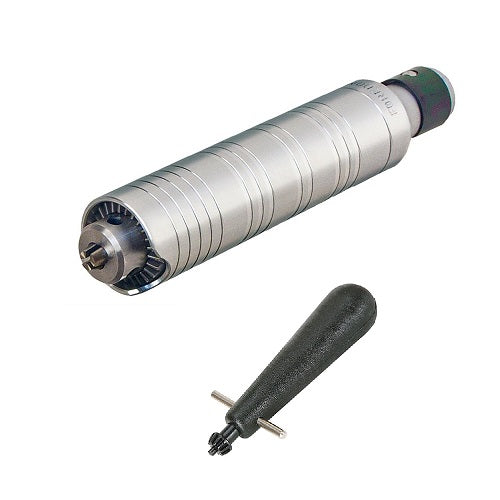
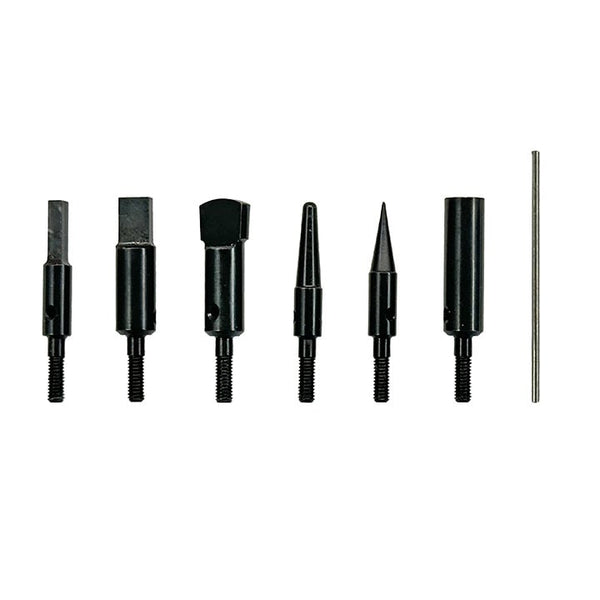
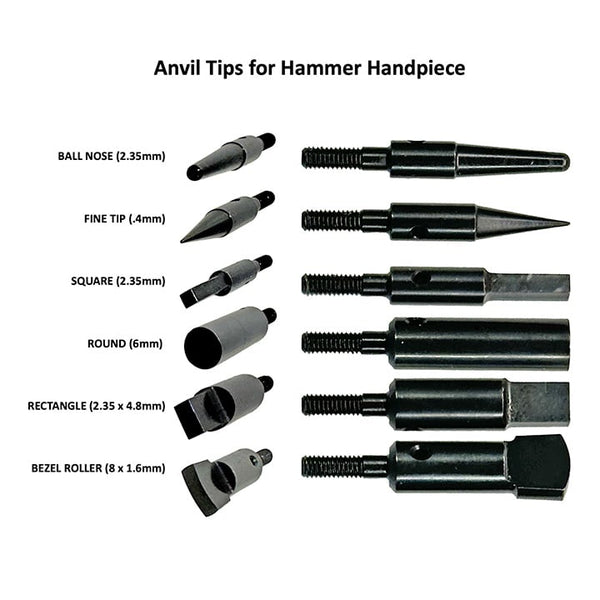
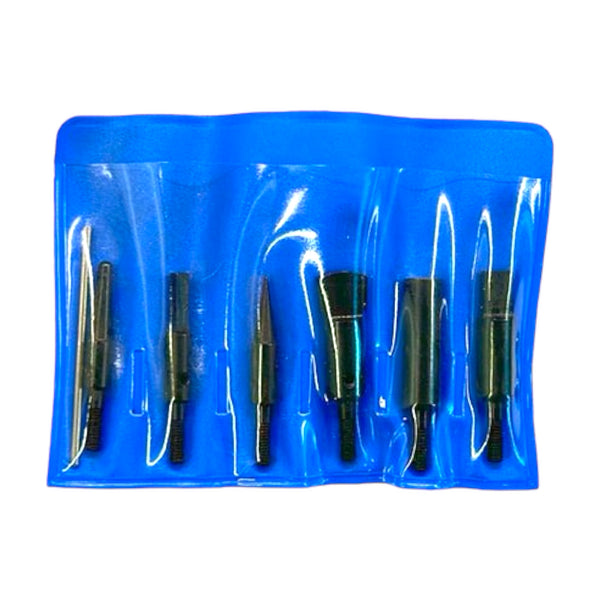
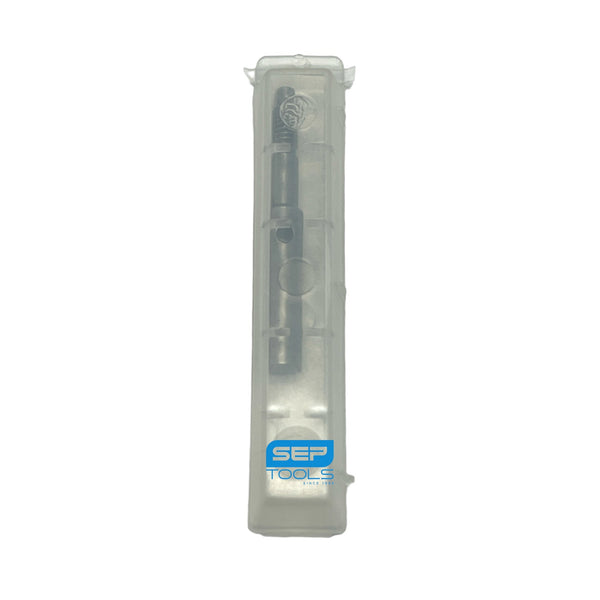
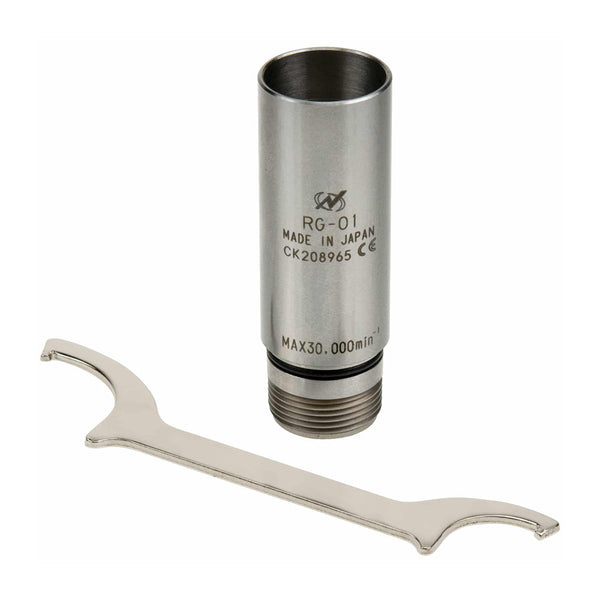
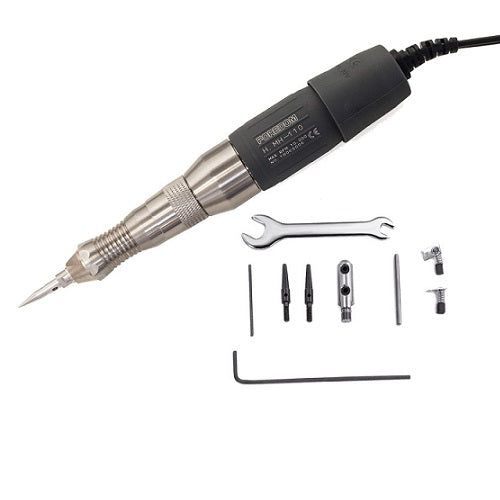
The motor is only part of the system. Handpieces, hammer attachments, collets, duplex springs, foot controls, and replacement parts can affect how the tool performs at the bench. Jewelers may choose different handpieces for drilling, polishing, stone setting, hammer work, quick-change burs, or general rotary use.

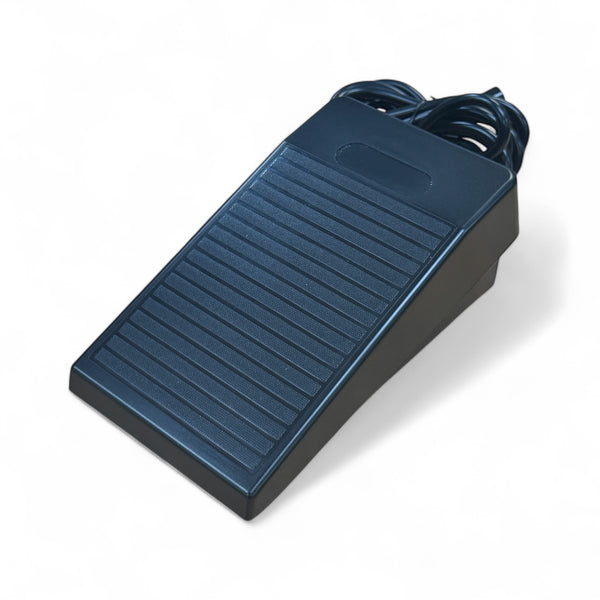
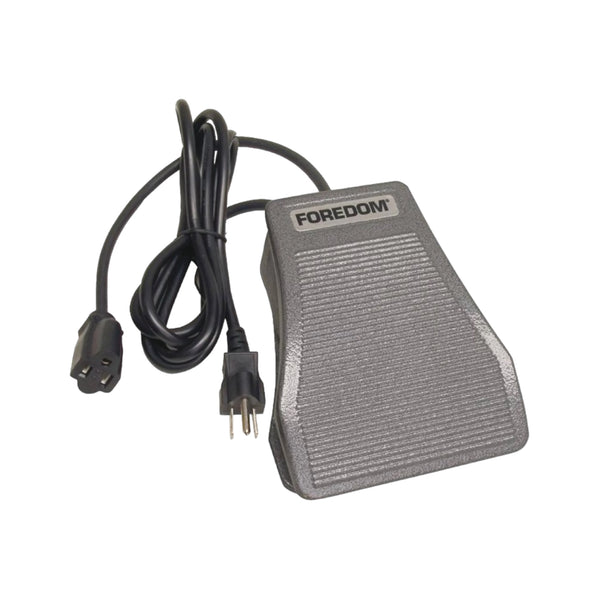
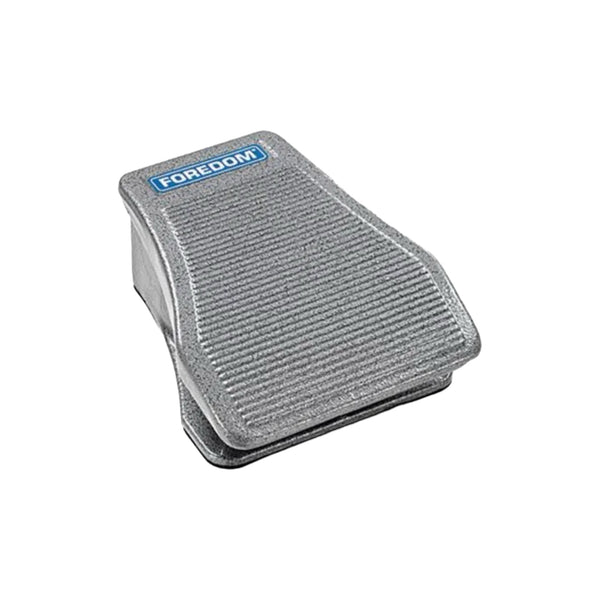
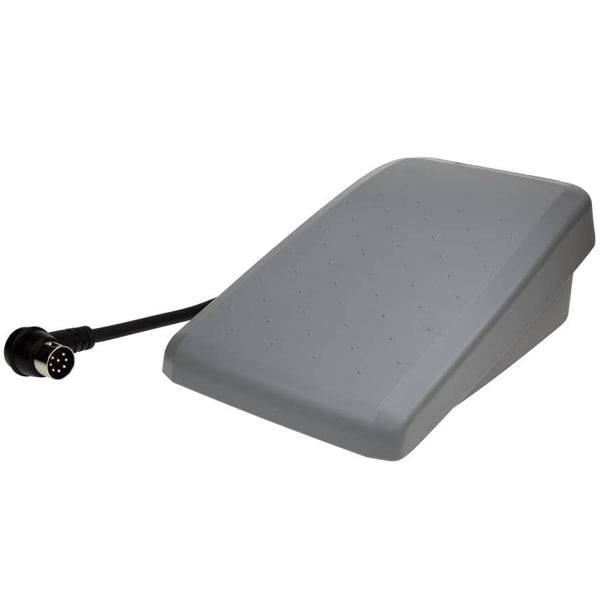
Foot controls are also important because they allow the jeweler to adjust speed while keeping both hands focused on the workpiece. For detailed tasks, smooth speed control can make a noticeable difference in comfort, accuracy, and consistency.

Brands and Tool Options Available at SEP Tools

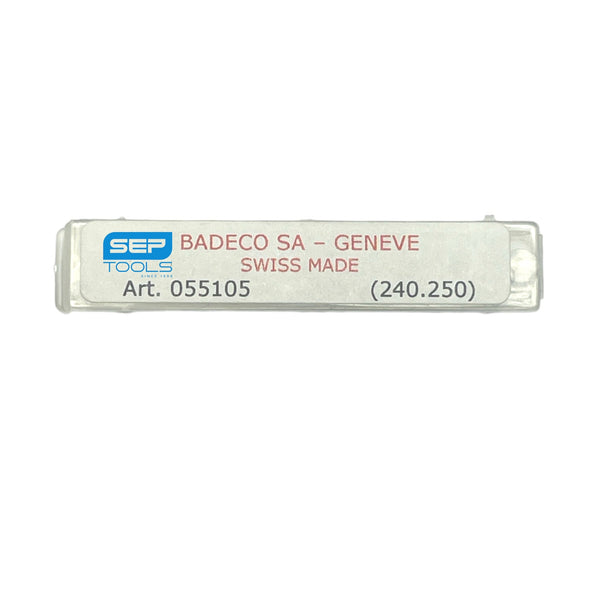
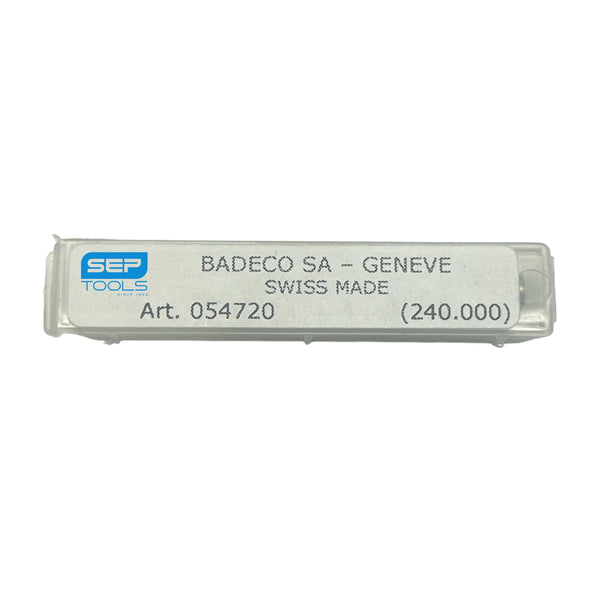
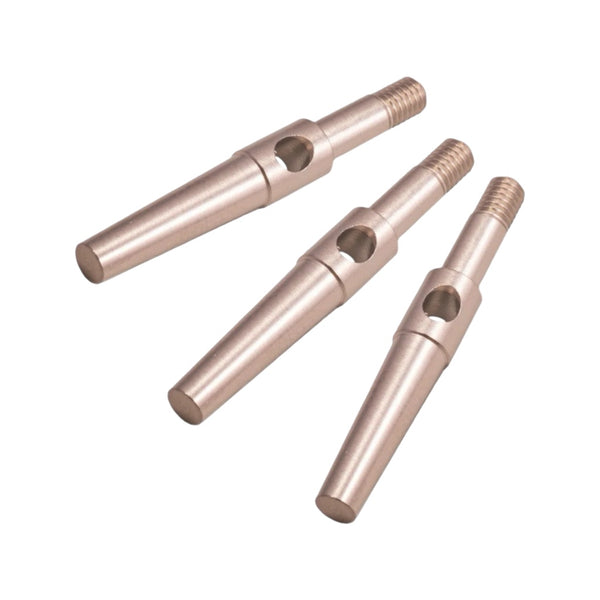
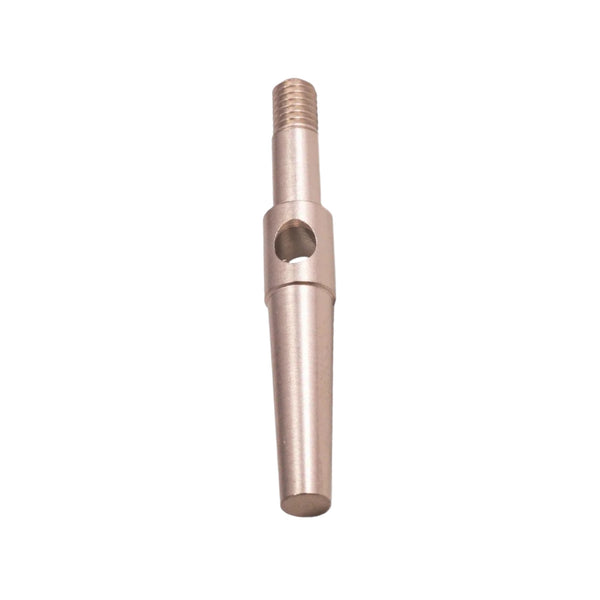
This collection includes flexshaft and micro motor options from trusted jewelry tool brands, including Foredom, NSK, Badeco, Vortex, and related bench tool manufacturers. Shoppers can find complete motor kits, individual handpieces, hammer attachments, replacement tips, collets, foot controls, and accessories for professional jewelry work.

If you are building a new bench setup, this category pairs naturally with burs and drills, abrasives, polishing and finishing tools, stone setting tools, and jewelry hand tools.

Flexshafts and Micro Motors for Professional Jewelers

For repair shops, custom jewelers, setters, metalsmiths, and studio owners, rotary tools are part of the daily workflow. A reliable flexshaft or micro motor can help improve control, reduce unnecessary hand strain, and support more consistent results across common bench tasks.

SEP Tools serves jewelry professionals online and through its Chicago showroom, offering practical tool options for everyday bench work, specialized repair, stone setting, polishing, and professional jewelry production.

Frequently Asked Questions About Flexshafts and Micro Motors

What is the difference between a flexshaft and a micro motor?

A flexshaft uses a flexible drive shaft connected to a motor and handpiece. A micro motor usually has a compact motorized handpiece connected to a control unit. Flexshafts are widely used for versatile bench work, while micro motors are often preferred for lighter hand control and high-speed precision.

Do jewelers need a flexshaft?

Most professional jewelry benches benefit from a flexshaft because it can be used for drilling, grinding, polishing, sanding, stone setting support, and general repair work. It is one of the most useful rotary tools for daily bench tasks.

What RPM is best for jewelry work?

The ideal RPM depends on the task, attachment, material, and level of control needed. Lower speeds are often useful for controlled detail work, while higher speeds may be used for fine polishing, drilling, or precision finishing with the correct accessory.

Are micro motors good for stone setting?

Micro motors can be useful for stone setting support because they offer controlled, precise movement with a lighter handpiece feel. Jewelers may use them with burs, setting tools, and finishing accessories depending on the work being performed.

What accessories should I buy with a flexshaft or micro motor?

Common accessories include handpieces, collets, burs, drill bits, abrasive wheels, polishing points, brushes, foot controls, replacement shafts, hammer attachments, and maintenance parts. The right accessories depend on whether the tool will be used for repair, polishing, drilling, setting, or fabrication.

Filters

Your Cart

Your cart is currently empty

Your Wishlist