Abrasives
-
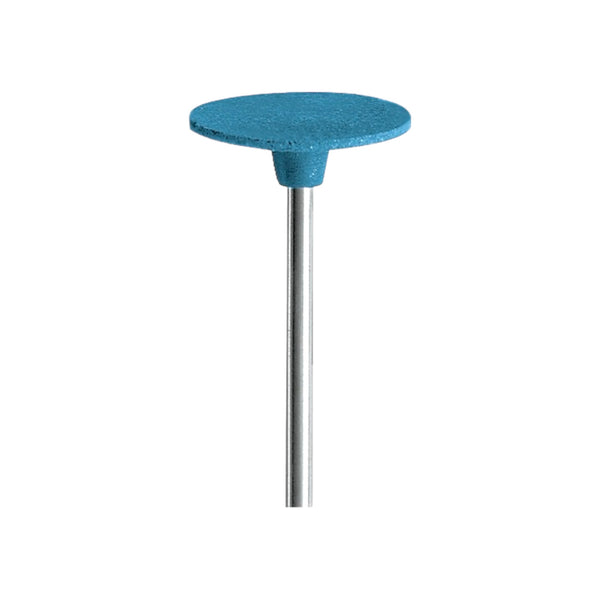
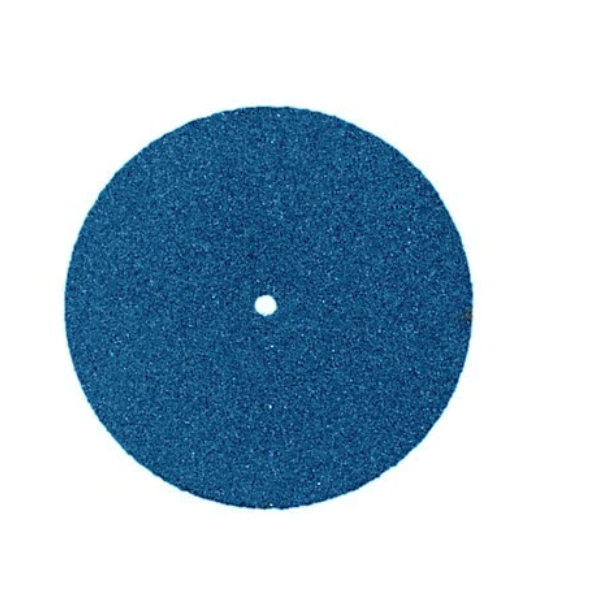
Blue Zirconia Snap On Discs 7/8
$9.00
-
Save 25%
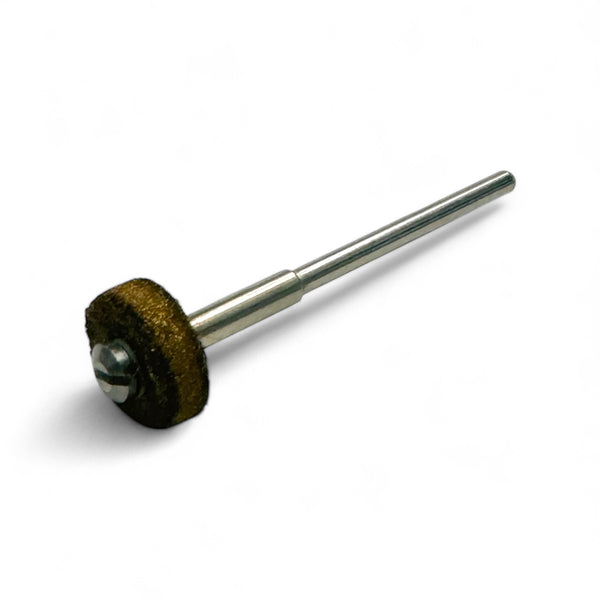
Gem-Shine - Gem Polishing Wheel
Regular price
$39.95Sale price $29.95 -
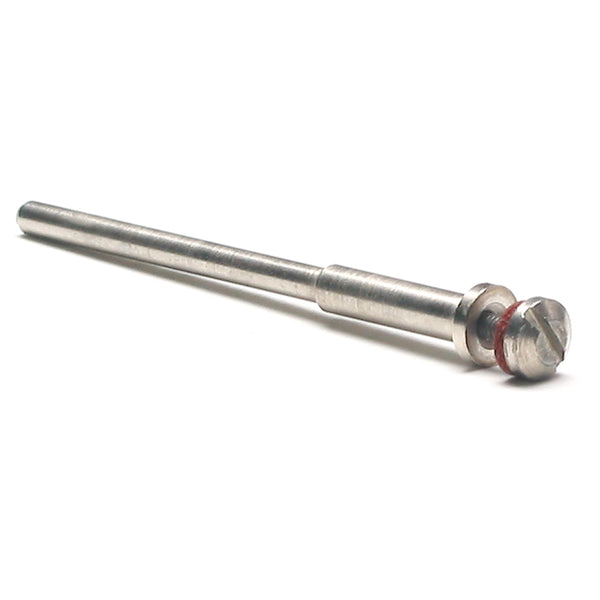
Miniature Screw Mandrel - 3/32in. Reinforced
$1.49
-
Save 33%
Japanese Mounted A/O Sandpaper Roll 10 Pk.
Regular price
$29.95Sale price $20.00 -
EVE® Poly Polishers Mounted Brown Floppy Discs (Pkg. of 10)
$18.99
-
Adalox Snap On 7/8 Box of 200pcs
$20.50
-
Paramount® Felt Split Lap 6" Medium
$44.50
-
WET/DRY EMERY PAPER SHEETS 9 X 11
$1.25
-
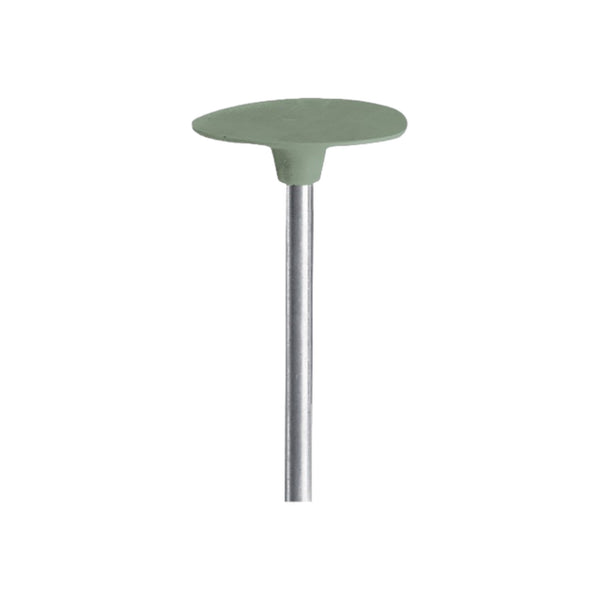
Sold out
Paramount® Felt Split Lap 6" Hard
$52.75
-
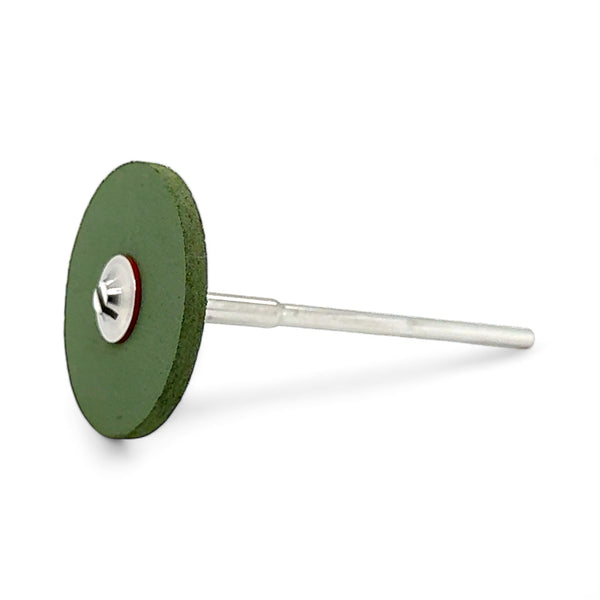
EVE® Poly Polishers Mounted Green Floppy Discs (Pkg. of 10)
$18.99
-
Sold out
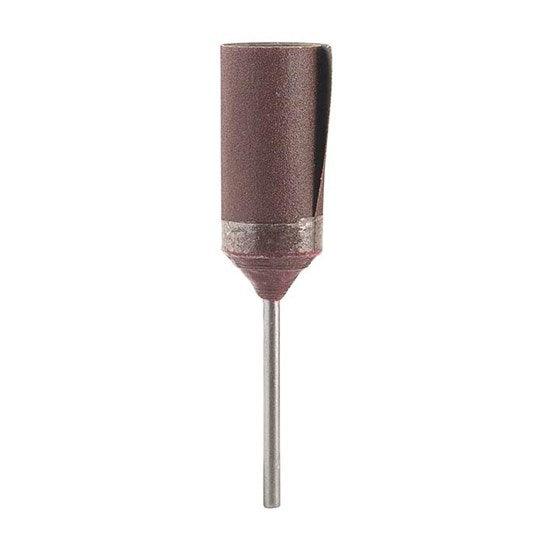
Mounted A/O Sandpaper Cartridge Roll, 320-Grit pk -10
$29.95
-
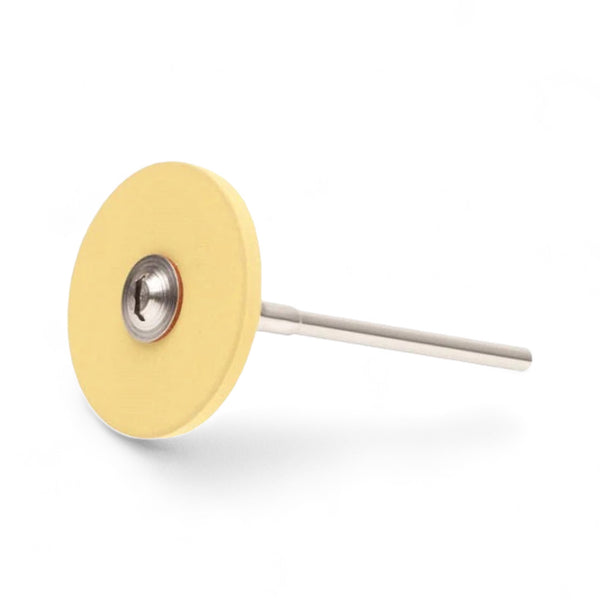
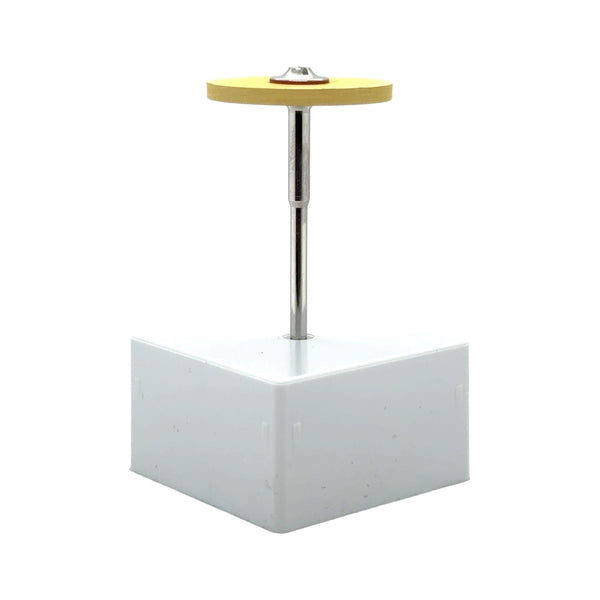
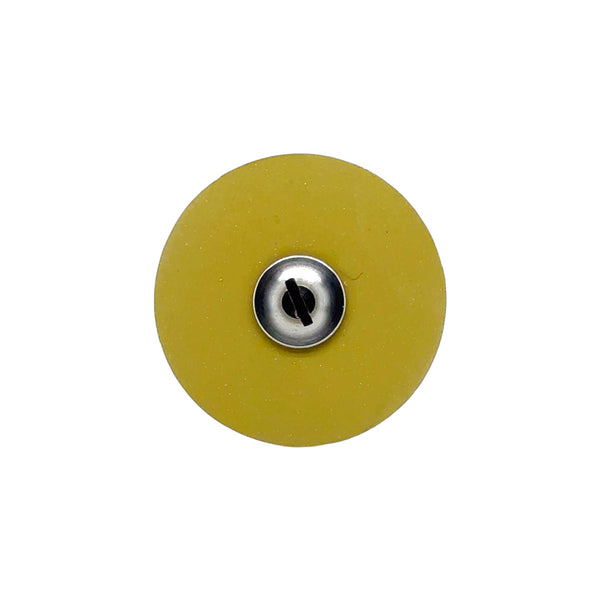
Yellow Rubber-Bond Diamond Polishing Wheel
$65.00
-
Save 21%
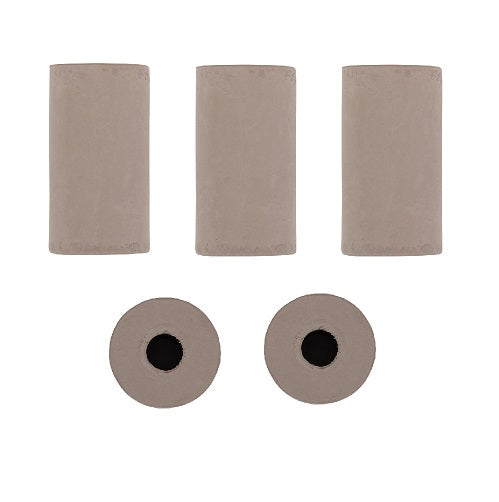
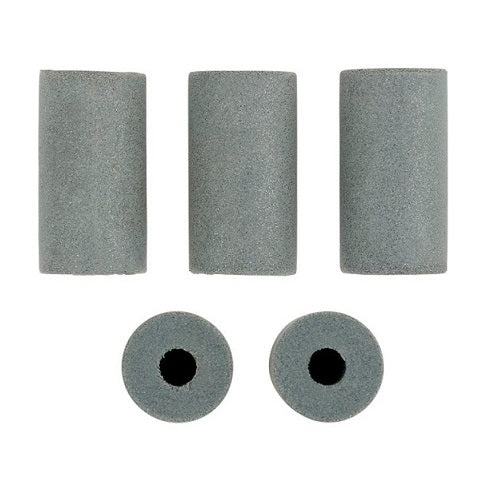
Pacific Abrasives 1" x 1/2" Silicone Inside Ring Cylinder 800 Grit
Regular price
$18.95Sale price $14.95 -
Separating Disc, 7/8″ x .023″, Silicon Carbide
$24.95
-
Sold out
Mounted A/O Sandpaper Cartridge Roll, 240-Grit pk-10
$29.95
-
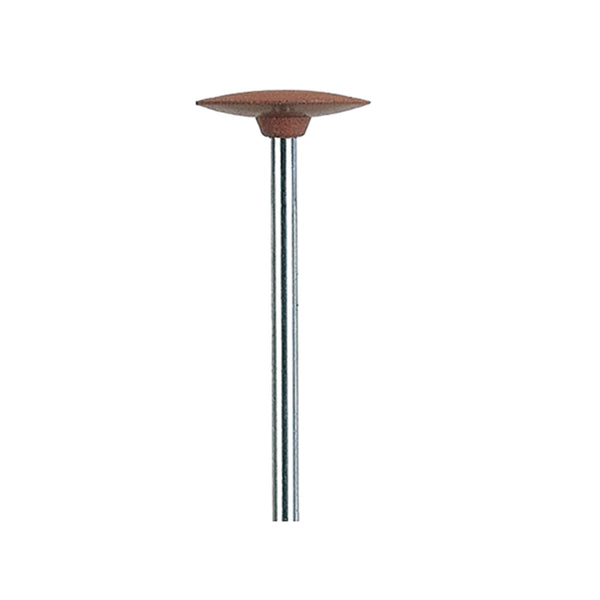
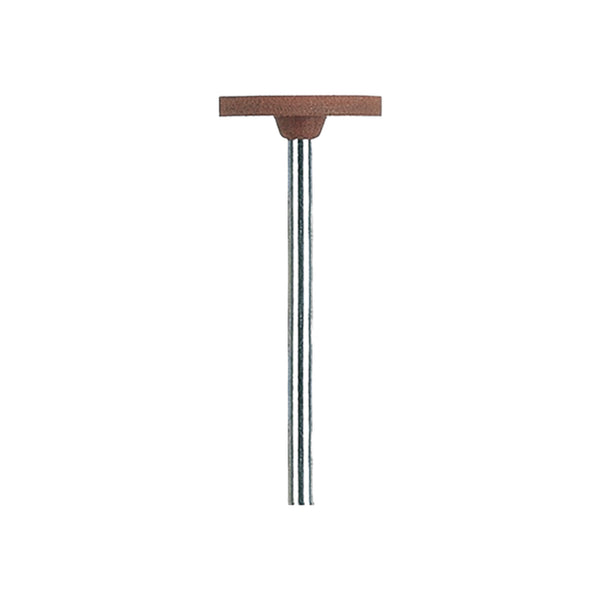
Edenta TopStar Polishers - Brown Knife-Edge Mounted Wheel (10)
$23.00
-
Save 21%
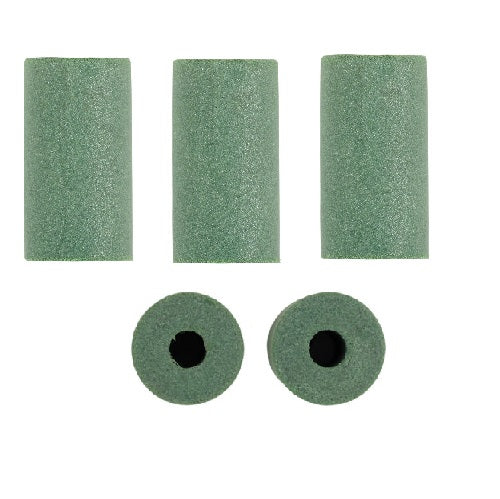
Pacific Abrasives 1" x 1/2" Silicone Inside Ring Cylinder 180 Grit
Regular price
$18.95Sale price $14.95 -
Mini Mounted Magic Buff
$2.85
-
EVE® Poly Polishers Mounted Blue Floppy Discs (Pkg. of 10)
$18.99
-
Green DIAMOND POL. CERAGLOSS MD GRIT
$48.83
-
Knife-Edge EVE Flex Mtd Polishing Wheel 14.5X2.5mm - 10 Pack Green
$20.00
-
Edenta TopStar Polishers - Brown Square-Edge Mounted Wheel (Pkg. of 10)
$19.95
-
Blue Medium Diamond Wheel
$65.00
-
Premium Matte Finish Mounted Brush Germany - 30x5mm
$10.00
-
EVE® Poly Polishers Mounted Gray Floppy Discs (Pkg. of 10
$18.99
-
Sold out
Mounted A/O Sandpaper Cartridge Roll, 120-Grit pk-10
$29.95
-
Sold out
Mounted A/O Sandpaper Cartridge Roll, 1,000-Grit
$29.95
-
Save 30%
Euro Tool Scratch Brush, Fiberglass, Pen Shape, 4-1/2"
Regular price
$12.95Sale price $9.00 -
Save 21%
Pacific Abrasives 1" x 1/2" Silicone Inside Ring Cylinder 1200 Grit
Regular price
$18.95Sale price $14.95 -
Save 21%
Pacific Abrasives 1" x 1/2" Silicone Inside Ring Cylinder 220 Grit
Regular price
$18.95Sale price $14.95 -
Sold out
SHOFU UNMOUNTED WHEELS 7/8" BROWNIE-0453 BX/12
$19.36
-
Sold out
SHOFU MOUNTED SQ/EDGE BROWNIE-2374
$27.95
-
Sold out
SHOFU MOUNTED SQ/EDGE BROWNIE-0273 BX/12
$27.95
-
Sold out
ZIRCONIA PIN HOLE DISCS 1 1/2" GRIT 80 BX/100 - BLUE
$18.00
-
Large Head 3/32" Mandrle
$4.50
-
Sold out
NSS 1x4x40 400 Grit Orange New Super Ceramic Stone
$10.15
-
Sold out
NSS 1x4x40 800 Grit Blue New Super Ceramic Stone
$10.15
-
Sold out
NSS 1x4x40 300 Grit Lt. Brown New Super Ceramic Stone
$10.15
-
Sold out
NSS 1x4x40 180 Grit Gold New Super Ceramic Stone
$10.15
-
3M® Pin Hole Microfilm Plastic Discs - 7/8" Set-50
$49.95
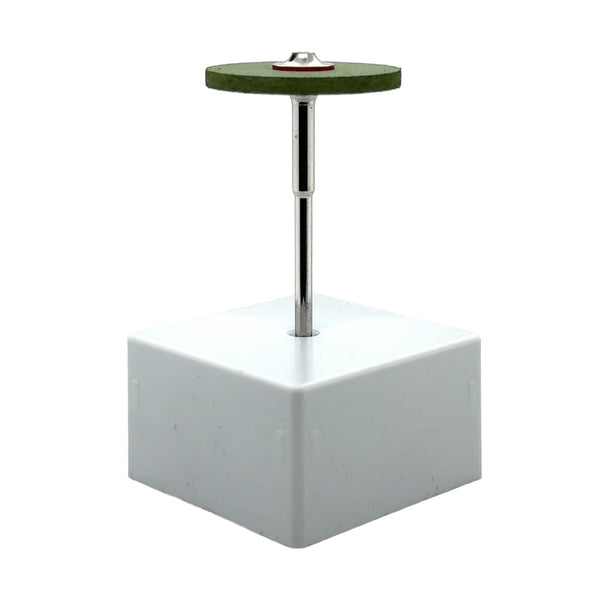
Jewelry Abrasives for Bench Work, Polishing, and Finishing
Abrasives are essential for shaping, smoothing, refining, pre-polishing, and finishing jewelry. Bench jewelers use abrasive discs, wheels, papers, rolls, stones, polishers, and mandrels to remove marks, clean surfaces, prepare metal, refine castings, and create a more controlled finish before final polishing.
SEP Tools offers jewelry abrasives for bench jewelers, setters, repair shops, metalsmiths, watch service professionals, and jewelry studios. This collection includes snap-on discs, sandpaper rolls, emery paper, silicone polishers, diamond polishing wheels, ceramic stones, felt laps, separating discs, mandrels, and other abrasive tools for professional jewelry work.
Abrasive Tools for Every Stage of Jewelry Surface Preparation
Jewelry finishing is usually completed in stages. A rough casting, soldered repair, resized ring, or fabricated component may need cutting, smoothing, scratch removal, surface blending, pre-polishing, and final finishing. Using the right abrasive at each stage helps jewelers work more accurately and avoid unnecessary material removal.
- Abrasive discs help smooth, shape, blend, and refine surfaces during repair and fabrication.
- Sandpaper rolls and emery paper are useful for hand finishing, sanding, refining edges, and preparing surfaces before polishing.
- Mounted polishers provide controlled finishing with rotary tools, flexshafts, and micro motors.
- Diamond polishing wheels support detailed polishing and controlled surface refinement on selected materials.
- Separating discs are used for precise cutting, trimming, and separating metal or jewelry components.
- Ceramic stones help refine small details, edges, and hard-to-reach areas.
- Mandrels hold discs, wheels, and other attachments securely during rotary bench work.
Choosing the Right Grit and Abrasive Type
The best abrasive depends on the metal, surface condition, shape of the piece, and stage of work. Coarser grits are typically used for faster material removal, shaping, or correcting visible marks. Medium grits help refine the surface after initial sanding. Finer grits are used before polishing to create a smoother, more consistent surface.
For professional bench work, jewelers often keep multiple grits and shapes available. A ring interior, prong area, flat surface, curved surface, bezel, casting sprue, and solder joint may each require a different abrasive tool. Keeping a range of discs, rolls, wheels, stones, and mounted polishers makes the finishing workflow more predictable.
Abrasives for Jewelry Repair and Refinishing
Jewelry repair often leaves surfaces that need careful cleanup. After ring sizing, soldering, prong repair, chain repair, reshaping, or stone setting adjustments, abrasives help remove tool marks, smooth solder areas, refine edges, and prepare the piece for polishing.
Abrasives are also useful for restoring worn jewelry. Scratches, oxidation, uneven surfaces, and dull areas often need staged sanding or surface correction before the final polish. By moving through the right abrasive sequence, jewelers can improve the finish while keeping better control over detail and metal removal.
Using Abrasives with Flexshafts and Micro Motors
Many jewelry abrasives are designed for use with rotary equipment such as flexshafts, micro motors, and compatible handpieces. Speed control, tool pressure, mandrel fit, and abrasive selection all affect the result. A properly matched abrasive can make sanding, grinding, smoothing, and pre-polishing cleaner and more efficient.
This category pairs naturally with flexshafts and micro motors, burs and drills, polishing and finishing tools, and jewelry hand tools.
Abrasive Discs, Wheels, Papers, Stones, and Mandrels
A complete abrasive setup usually includes several tool formats. Discs are useful for fast surface work and controlled shaping. Rolls and papers are practical for sanding, hand finishing, and working around curves. Mounted wheels and polishers help jewelers reach small areas with rotary tools. Stones can refine details and edges where larger abrasives are too aggressive or difficult to control.
Mandrels are also important because they connect many abrasive accessories to the rotary tool. A secure mandrel fit helps reduce wobble, improve control, and make repeated bench work more consistent. When choosing abrasive accessories, always match the tool, shank size, grit, and material to the job being performed.
Jewelry Abrasives for Gold, Silver, Platinum, and Bench Materials
Jewelers use abrasives on many materials, including gold, silver, platinum, base metals, wax, and selected hard surfaces. Each material responds differently, so the abrasive type and grit should be chosen carefully. A tool that works well for rough shaping may be too aggressive for final surface preparation, while a fine abrasive may not remove deeper marks efficiently.
For repair shops and jewelry studios, having the right abrasive sequence helps create a cleaner workflow from rough correction to final finish. This is especially important when working on visible jewelry surfaces, ring interiors, stone setting areas, and detailed components where control matters.
Build a Better Jewelry Finishing Workflow
Abrasives are part of a larger bench finishing system. They work together with rotary tools, burs, polishing compounds, buffs, cleaning equipment, measuring tools, and setting tools. A good finishing workflow helps jewelers move from cutting and surface correction to pre-polishing and final presentation with fewer interruptions.
If you are building or upgrading a bench setup, this collection also connects with stone setting tools, measuring tools, and jewelry tools and equipment.
Shop Jewelry Abrasives from SEP Tools
SEP Tools supplies abrasives for professional jewelry repair, fabrication, polishing, refinishing, stone setting support, and everyday bench work. Jewelers can shop abrasive discs, wheels, papers, rolls, stones, mandrels, polishers, and finishing accessories for a more complete jewelry workbench.
Local Chicago jewelers can shop through SEP Tools with the benefit of a professional supplier presence in Chicago, while online buyers can order jewelry abrasives and bench finishing supplies directly through the website.
Frequently Asked Questions About Jewelry Abrasives
What are jewelry abrasives used for?
Jewelry abrasives are used for sanding, shaping, smoothing, surface correction, scratch removal, pre-polishing, separating, refining castings, cleaning solder areas, and preparing jewelry for final polishing.
What grit should I use for jewelry finishing?
The right grit depends on the condition of the surface and the finish needed. Coarser grits remove material faster, medium grits refine the surface, and finer grits prepare the piece for polishing. Many jewelers work through several grits rather than using only one abrasive.
What is the difference between abrasive discs and polishing wheels?
Abrasive discs are usually used for sanding, shaping, surface correction, and material removal. Polishing wheels are usually used later in the process to refine the finish and improve shine, often with polishing compounds.
Can abrasives be used with a flexshaft?
Yes. Many abrasive discs, wheels, rolls, polishers, and mandrel-mounted accessories can be used with flexshafts or micro motors. Always check shank size, tool compatibility, speed, and the intended use of the abrasive.
What abrasives should a jewelry repair shop keep in stock?
A repair shop should usually keep abrasive discs, sandpaper rolls, emery paper, mounted polishers, separating discs, ceramic stones, mandrels, and several grit options in stock. The exact selection depends on the shop’s repair volume and the types of jewelry work performed.