Skip to content

Welcome guest

Please login or register

Burs All

Sorted by:
Showing 40 of 71 products
Jewelry Burs and Drills for Precision Bench Work

Burs and drills are essential tools for accurate cutting, shaping, drilling, seat preparation, stone setting, repair work, wax carving, and detailed jewelry fabrication. They help jewelers remove material with control, create clean openings, refine settings, and prepare metal or wax for the next step in the workflow.

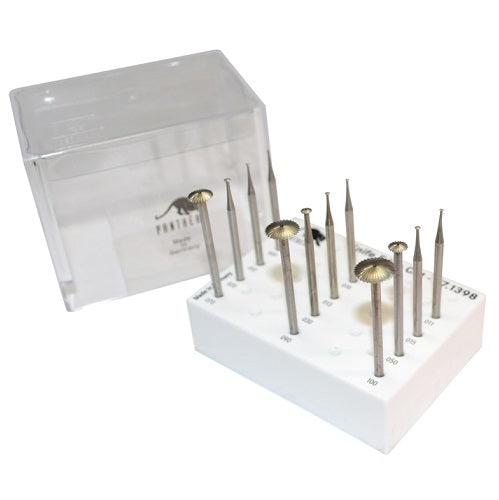
SEP Tools offers jewelry burs, drill bits, diamond burs, carbide burs, setting burs, saw blades, and related bench accessories for jewelers, setters, repair shops, metalsmiths, wax workers, and professional jewelry studios.

Types of Jewelry Burs and Drill Bits

Different bench tasks require different bur shapes, materials, and cutting profiles. Choosing the right bur or drill bit helps improve accuracy, reduce unnecessary material removal, and make detailed work more predictable.

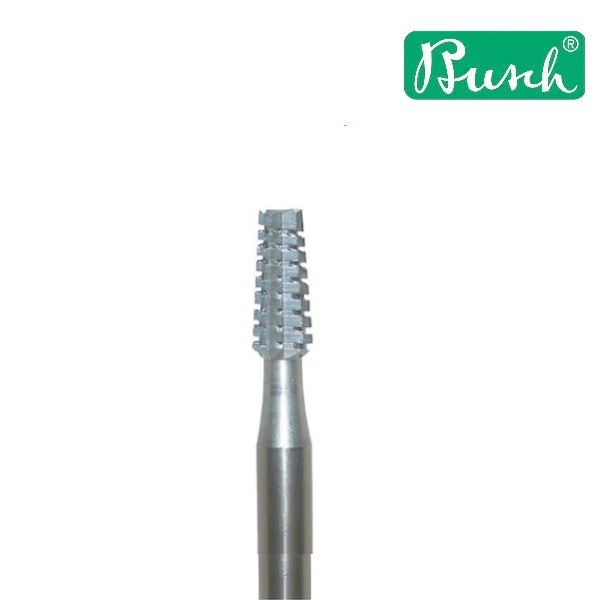
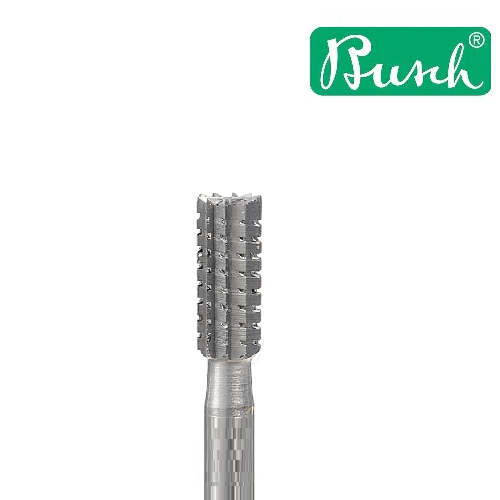
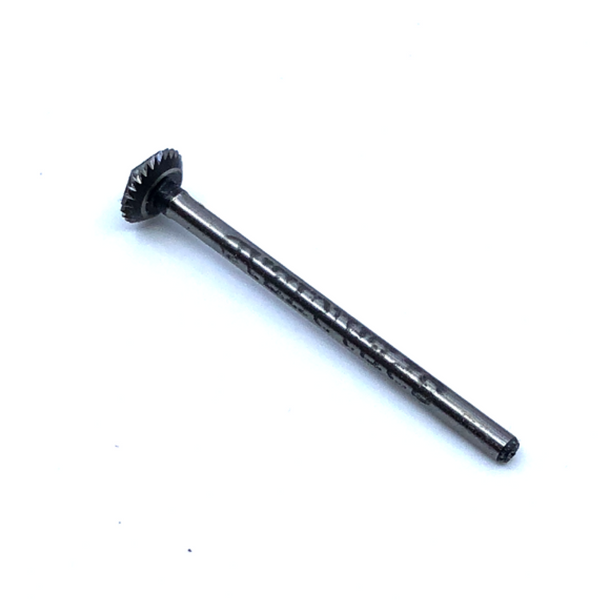
  • Carbide burs are used for cutting, shaping, grinding, and removing material from metals and other jewelry materials.
  • Diamond burs are useful for hard materials, detailed surface work, stone-related applications, glass, ceramics, and precision grinding.
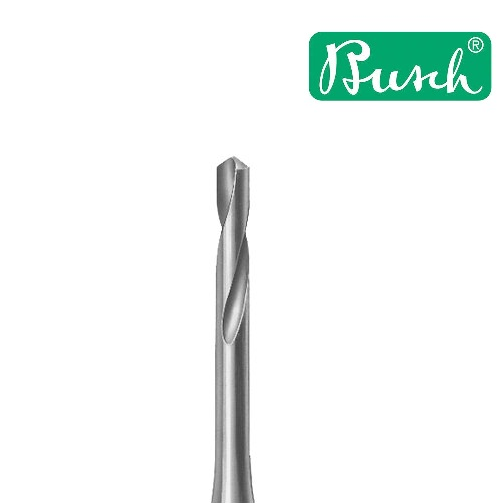
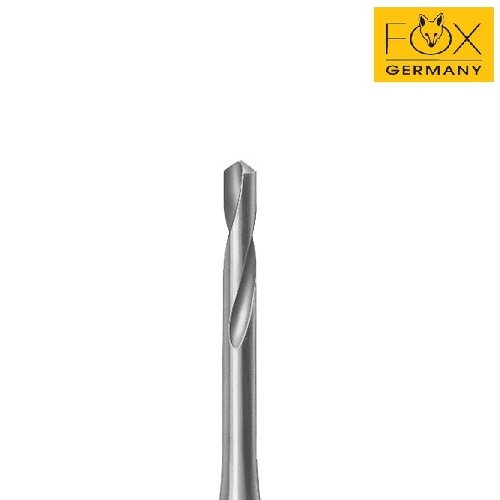
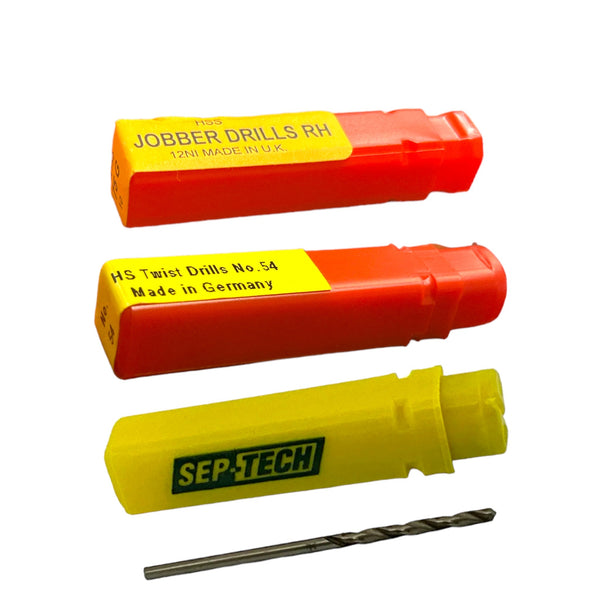
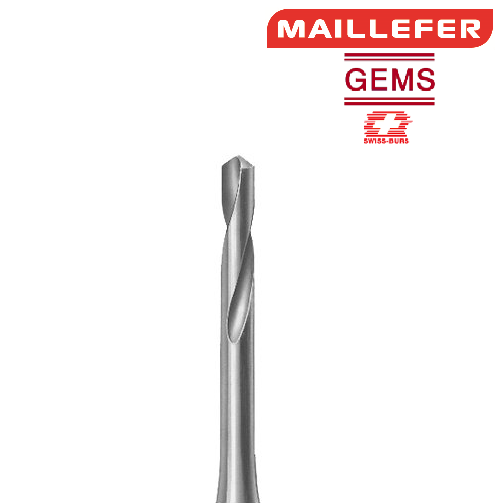
  • Drill bits help create clean holes for findings, settings, rivets, assembly, wire work, and repair tasks.
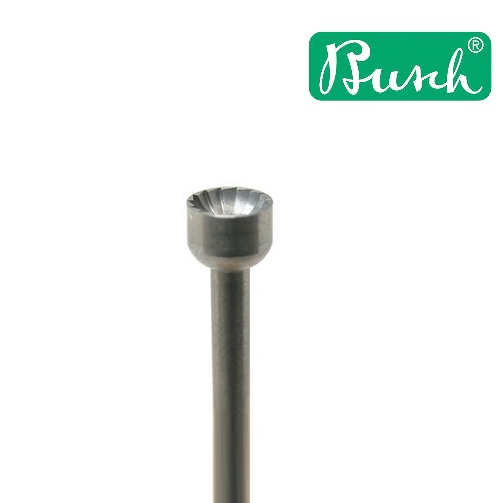
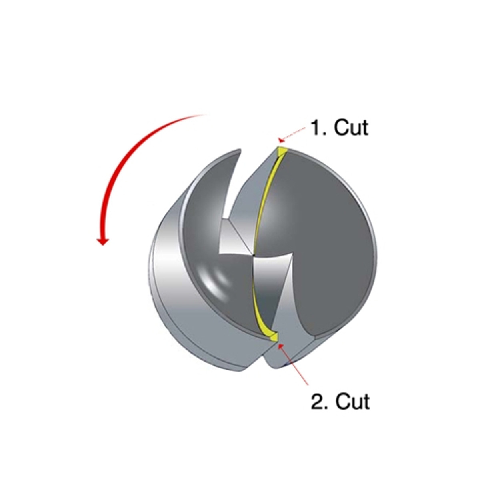
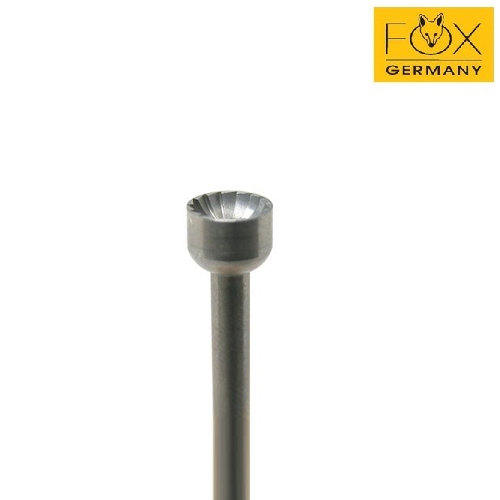
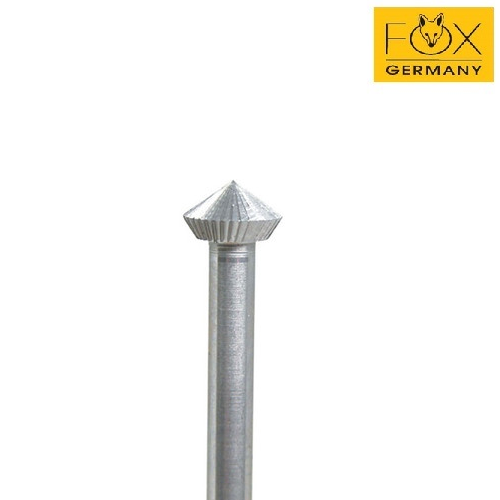
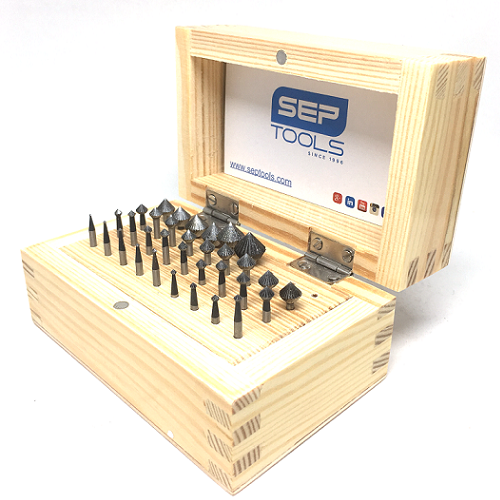
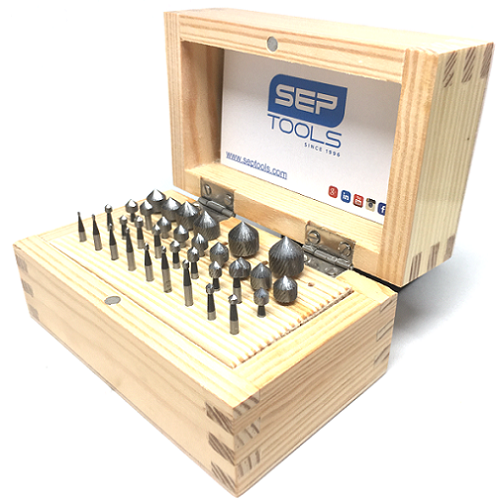
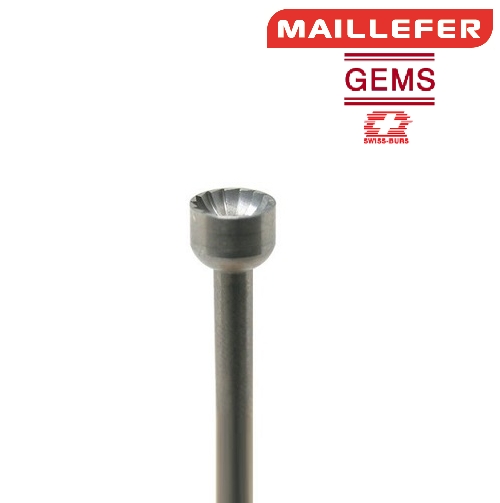
  • Setting burs are used to prepare seats for stones and support more controlled stone setting work.
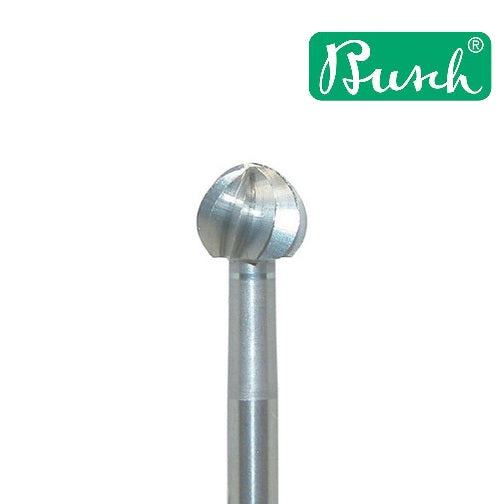
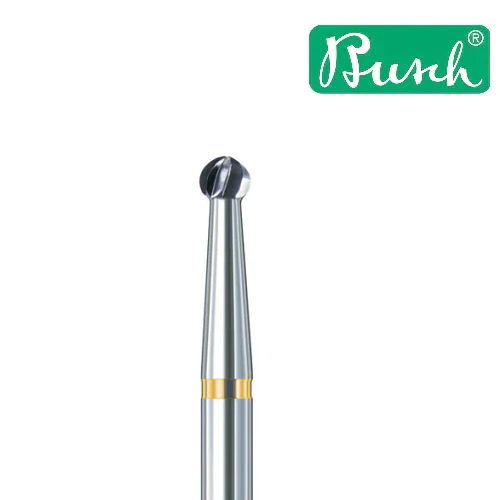
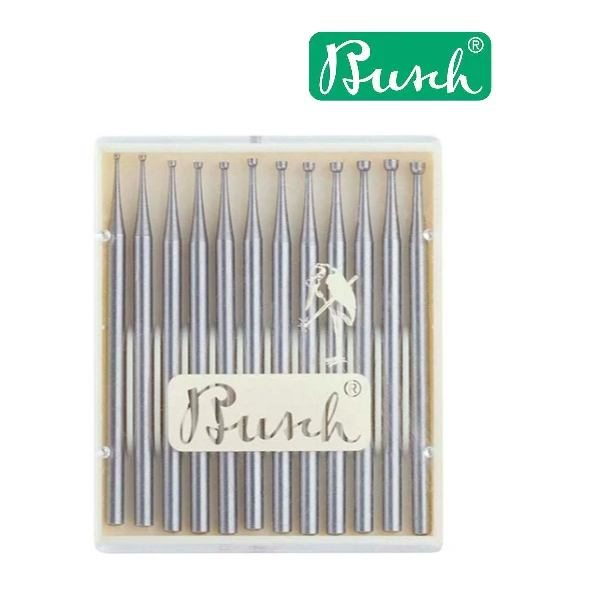
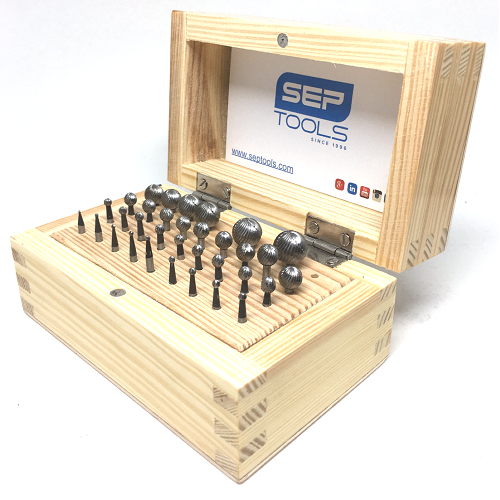
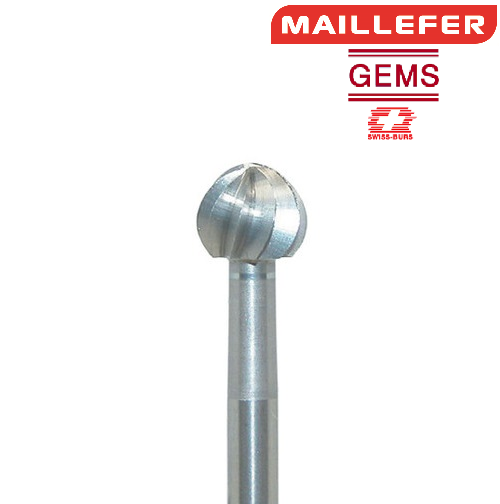
  • Round burs can be used for opening, shaping, smoothing, and preparing small areas.
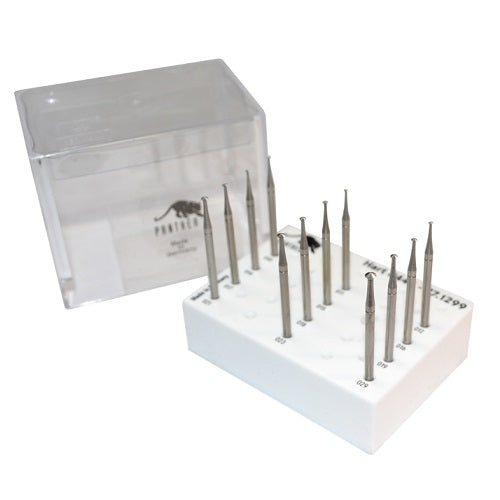
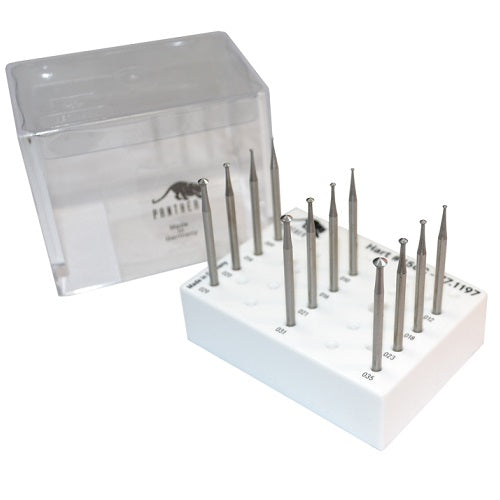
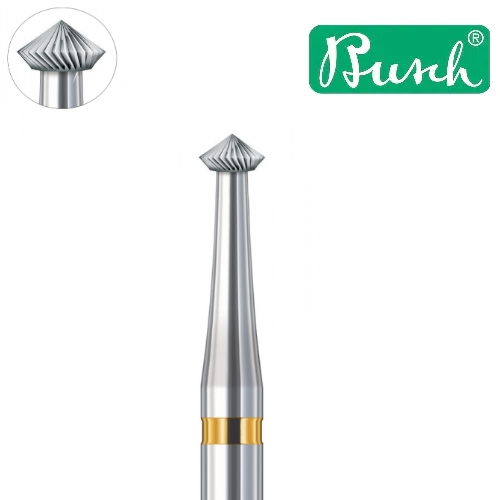
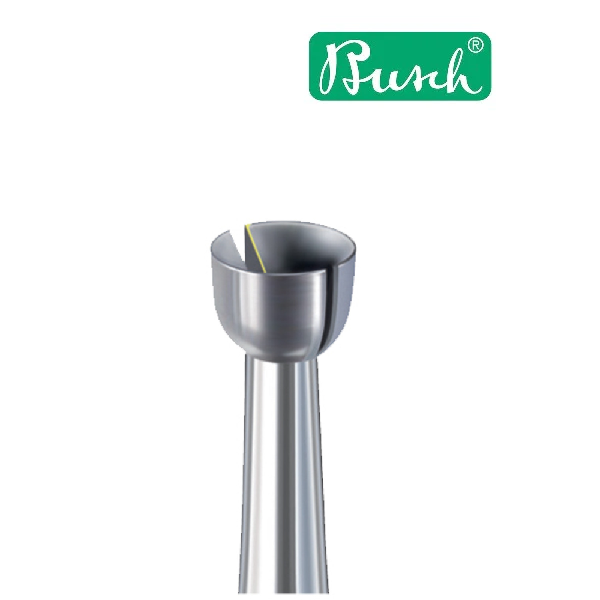
  • Hart burs and bearing burs are commonly used in stone setting, prong work, and seat preparation.
  • Saw blades support precise cutting, piercing, fabrication, and detailed bench work.

Choosing the Right Bur for Jewelry Work

The right bur depends on the material, tool speed, handpiece, cutting depth, and final result needed. A jeweler preparing a stone seat may need a different bur than someone opening a hole, removing excess solder, refining a casting, or carving wax.

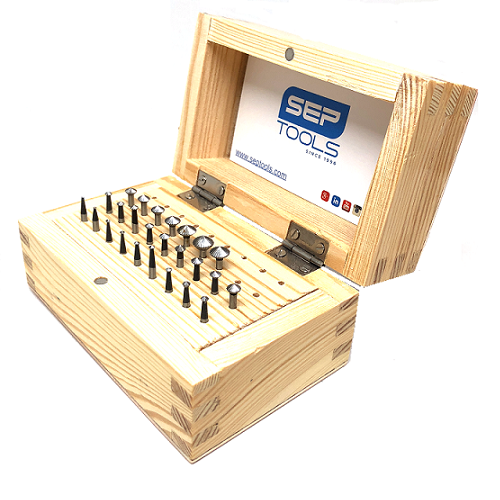
For daily bench work, many jewelers keep a selection of round burs, setting burs, carbide burs, diamond burs, drill bits, and saw blades in several sizes. This makes it easier to move between repair, fabrication, stone setting, and finishing tasks without forcing one tool to do every job.

Burs and Drills for Stone Setting and Jewelry Repair

Burs are especially important in stone setting because they help prepare seats, adjust openings, refine bezels, clean prong areas, and support a more accurate fit. Clean seat preparation can make the setting process more controlled and reduce the risk of unnecessary pressure on the stone or metal.

In repair work, burs and drills are used for removing material, cleaning up solder areas, opening holes, preparing components, adjusting prongs, reshaping small details, and refinishing damaged areas before polishing. They pair naturally with stone setting tools, flexshafts and micro motors, and jewelry hand tools.

Using Burs with Flexshafts and Micro Motors

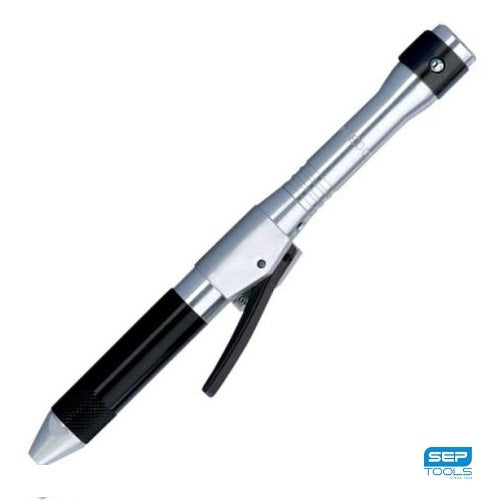
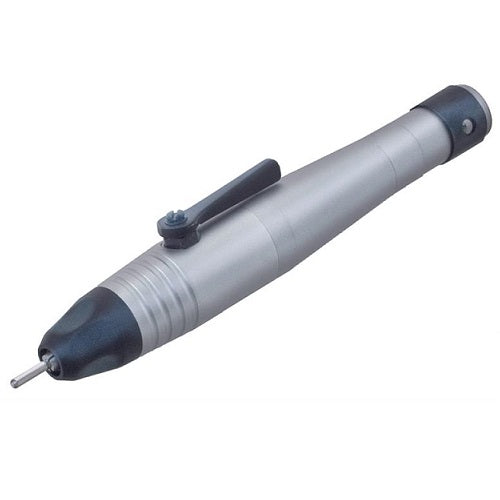
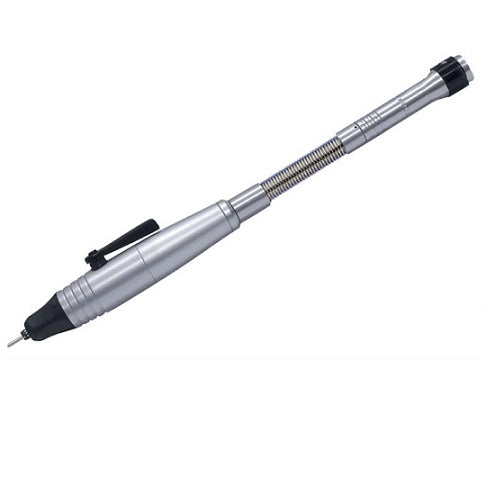
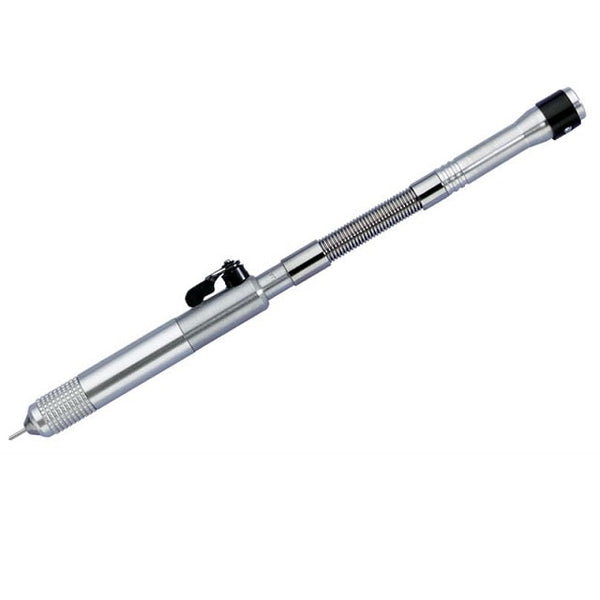
Most burs and drill bits are used with rotary equipment such as flexshafts, micro motors, or compatible handpieces. Tool speed, pressure, handpiece control, and bur selection all affect the result. Using the right combination helps jewelers work more accurately and reduce tool chatter, overheating, or uneven cutting.

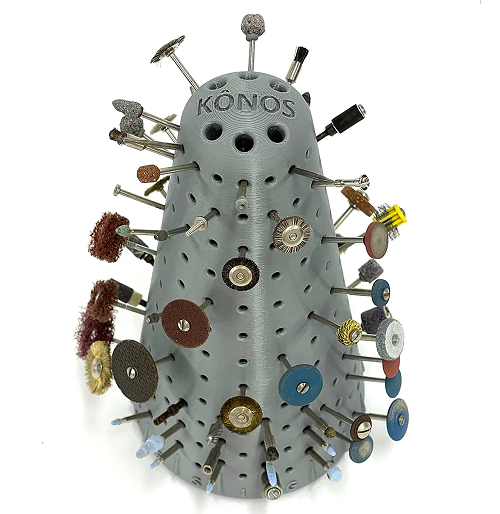
For cleaner bench workflow, jewelers often keep burs and drills organized by size, shape, material, and task. This makes repeated repair and setting work faster, especially in busy shops where the same procedures are performed throughout the day.

Carbide Burs, Diamond Burs, and Drill Bits

Carbide burs are often selected for strong cutting performance and durability in metalworking tasks. Diamond burs are useful when working with harder surfaces or when controlled grinding is needed. Drill bits are selected by diameter, material, and the type of hole being created.

Because jewelry work often involves small tolerances, it is important to match the bur or drill to the material and application. A tool that is too aggressive can remove too much material, while a tool that is too fine may slow the work or wear out quickly.

Build a More Complete Jewelry Bench Setup

Burs and drills are part of a larger bench system. For most jewelers, they work together with rotary tools, measuring tools, abrasives, polishing supplies, and setting tools. If you are building or upgrading a bench, this category connects naturally with jewelry drills, abrasives, measuring tools, and polishing and finishing tools.

SEP Tools supplies burs and drills for professional jewelry repair, stone setting, fabrication, wax work, and detailed bench operations. Local Chicago jewelers can shop through SEP Tools with the added benefit of a professional supplier presence in Chicago, while online buyers can order jewelry burs, drills, and bench accessories directly through the website.

Frequently Asked Questions About Jewelry Burs and Drills

What are jewelry burs used for?

Jewelry burs are used for cutting, shaping, grinding, seat preparation, stone setting, wax carving, repair work, and detailed material removal. Different bur shapes are used for different bench tasks.

What is the difference between carbide burs and diamond burs?

Carbide burs are commonly used for cutting and shaping metal, while diamond burs are often used for harder materials, fine grinding, and selected stone-related or ceramic applications. The best choice depends on the material and the type of work being performed.

What burs are used for stone setting?

Stone setting may use round burs, hart burs, bearing burs, setting burs, and other specialized shapes depending on the stone, setting style, and seat preparation needed. The goal is to create a controlled fit without removing unnecessary material.

Can jewelry burs be used with a flexshaft?

Yes. Many jewelry burs and drill bits are used with flexshafts, micro motors, and compatible handpieces. Always match the bur shank, speed, and tool type to the equipment and task.

How do I choose the right drill bit for jewelry making?

Choose a drill bit based on the material, hole size, tool compatibility, and the type of jewelry work. Fine drill bits are often used for findings, rivets, assembly, wire work, and detailed repair tasks.

Filters

Your Cart

Your cart is currently empty

Your Wishlist