Skip to content

Welcome guest

Please login or register

Hand Tools

Sorted by:
Showing 40 of 139 products
Jewelry Hand Tools for Professional Bench Work

Reliable hand tools are the foundation of every jewelry bench. Jewelers use them for gripping, cutting, shaping, bending, filing, sawing, drilling, opening rings, adjusting settings, preparing components, and completing detailed repair work. The right tools help improve control, accuracy, and consistency during daily bench tasks.

SEP Tools offers jewelry hand tools for bench jewelers, stone setters, repair shops, metalsmiths, watch service professionals, students, and jewelry studios. This collection includes pliers, cutters, saw blades, files, drills, ring tools, prong tools, handles, bench accessories, and other essentials used in jewelry making and repair.

Essential Hand Tools for Jewelers

Jewelry work often requires small, precise movements. Unlike general workshop tools, jewelry hand tools are selected for fine control, clean contact with the workpiece, and compatibility with delicate metals, stones, settings, and components.

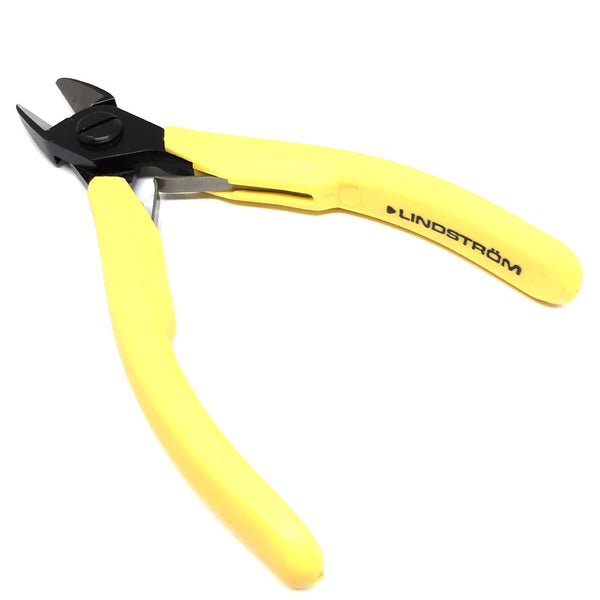
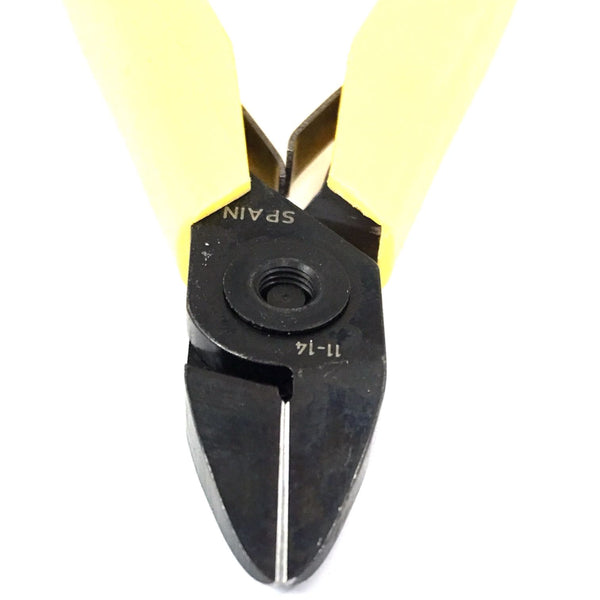
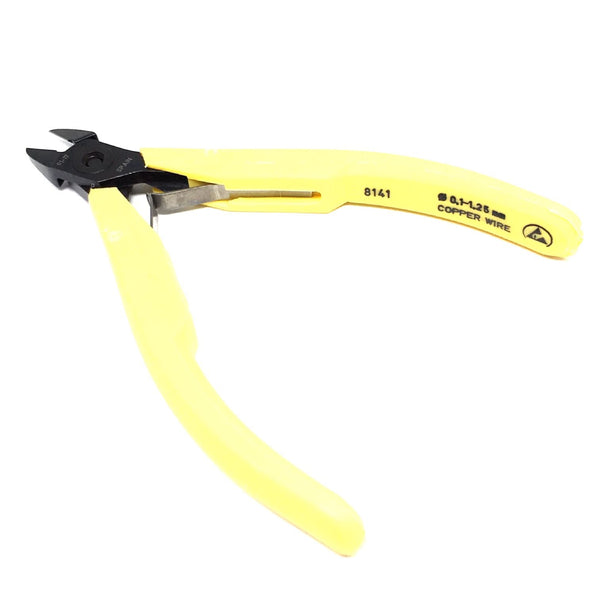
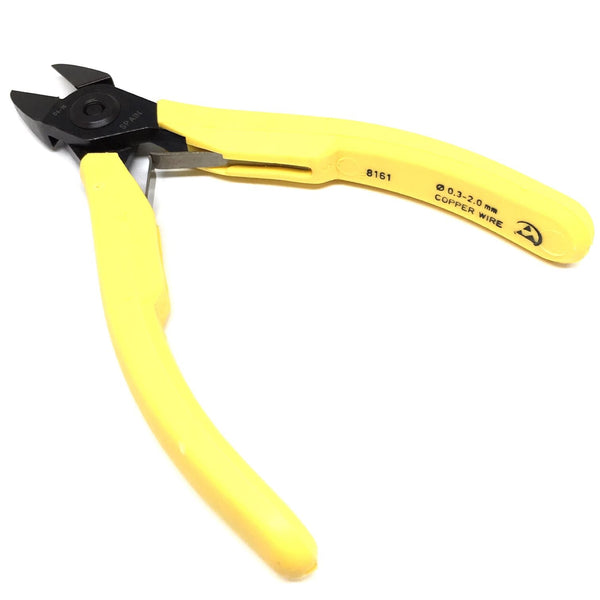
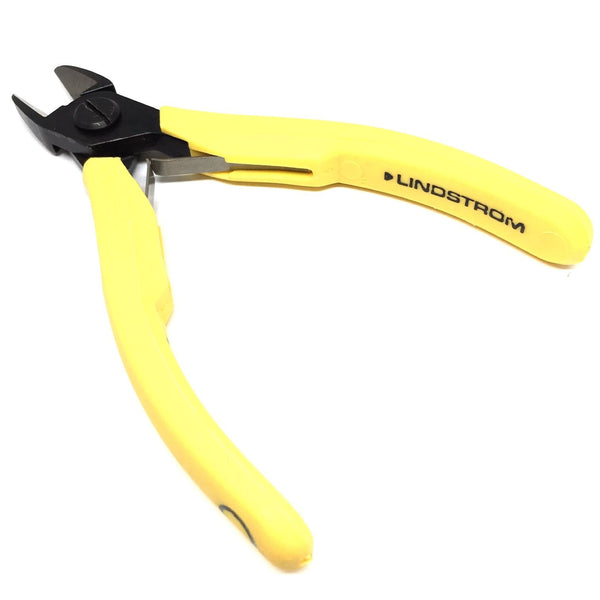
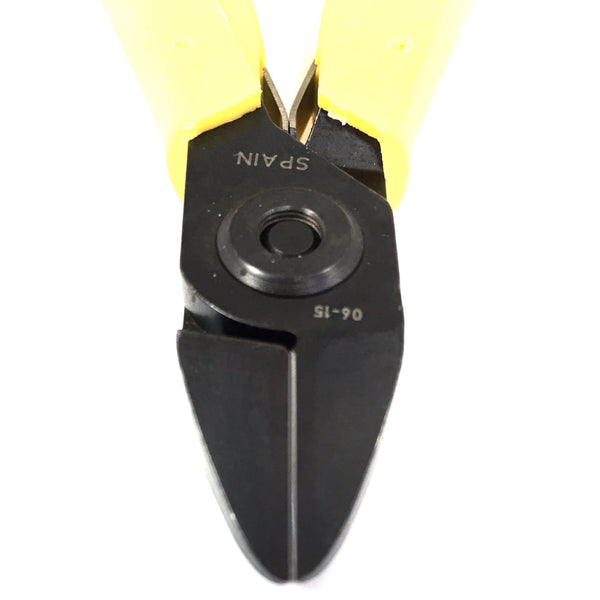
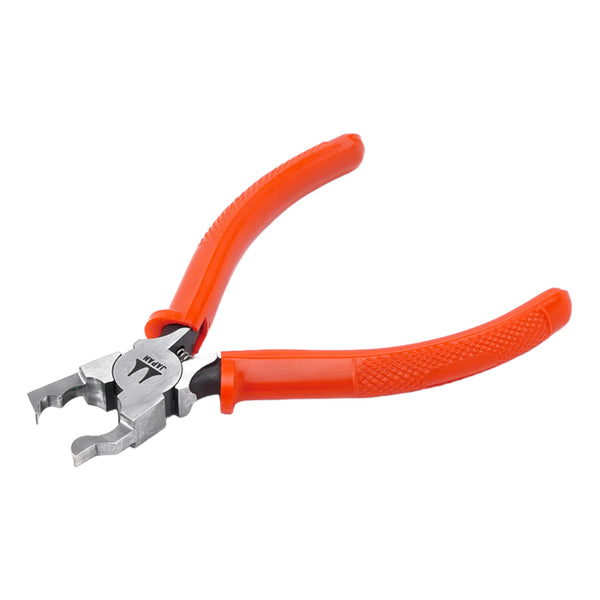
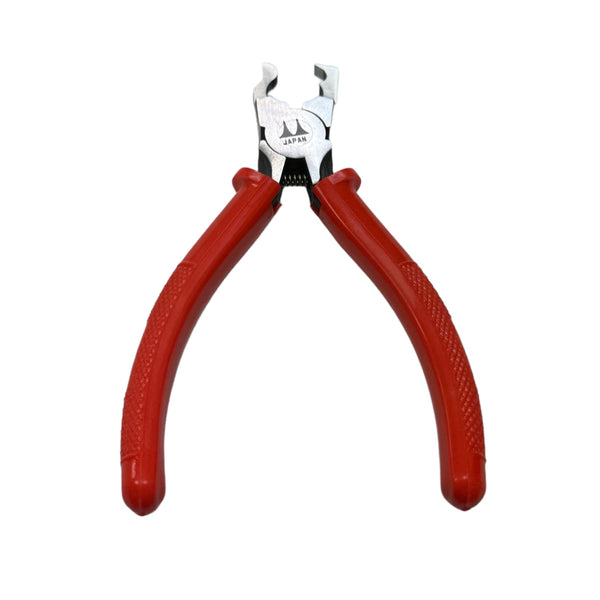
  • Pliers and cutters help grip, bend, hold, form, cut, and manipulate wire, findings, ring components, and small jewelry parts.
  • Round nose pliers are useful for curves, loops, coils, jump rings, earrings, wire work, and decorative forming.
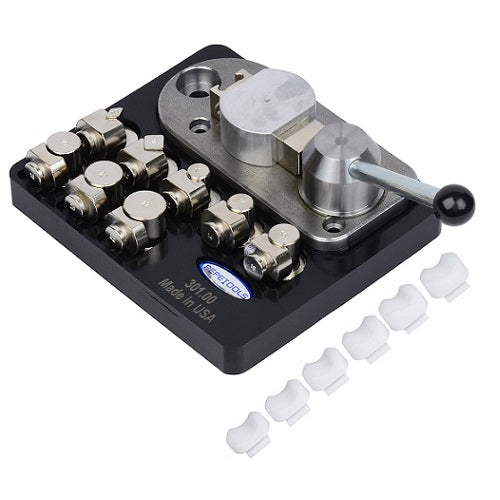
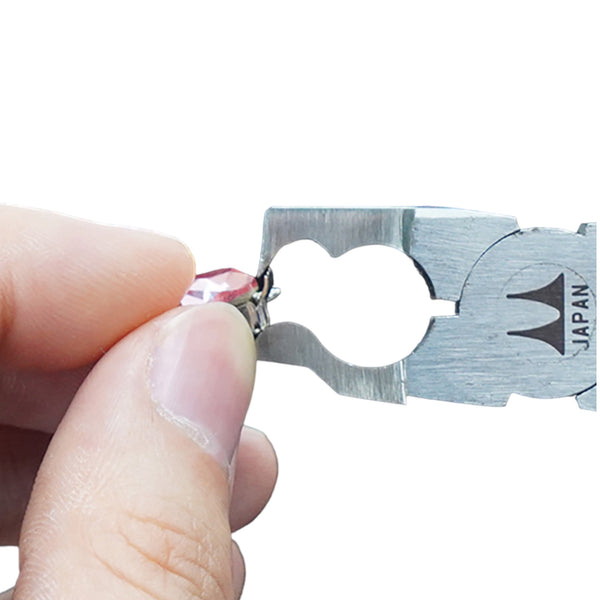
  • Ring tools support ring opening, adjustment, sizing preparation, reshaping, holding, and repair tasks.
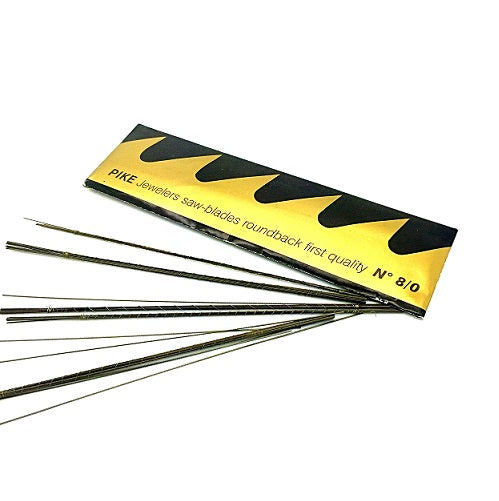
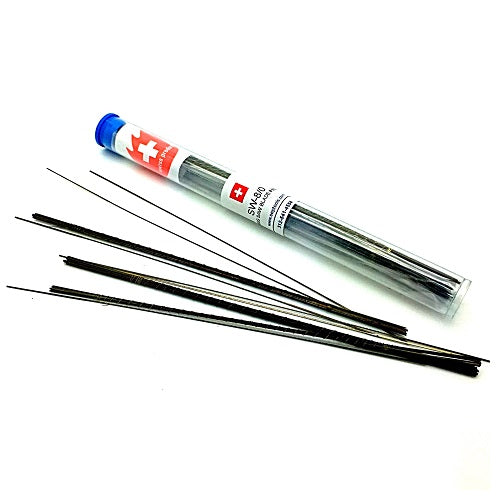
  • Saw blades and saw frames are used for precise cutting, piercing, fabrication, and detailed metalwork.
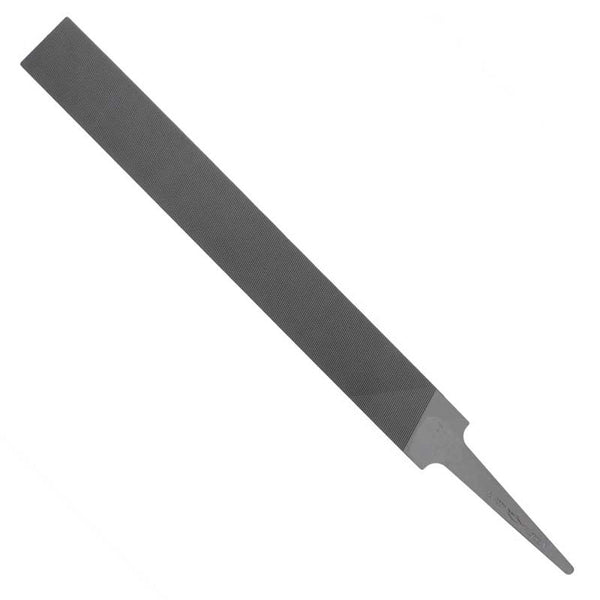
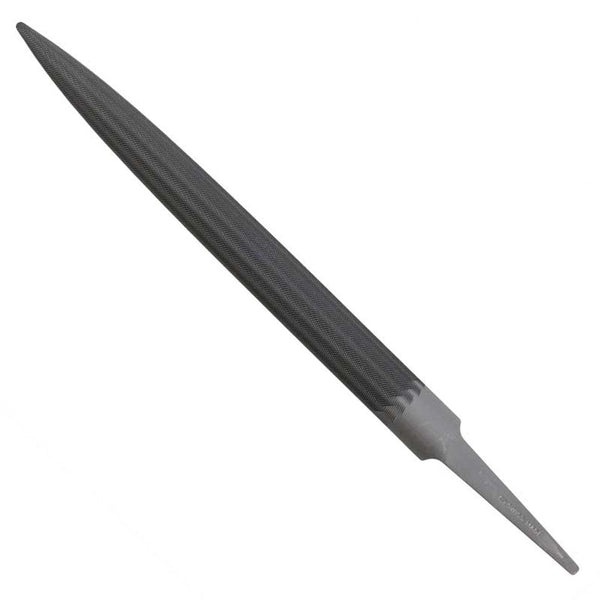
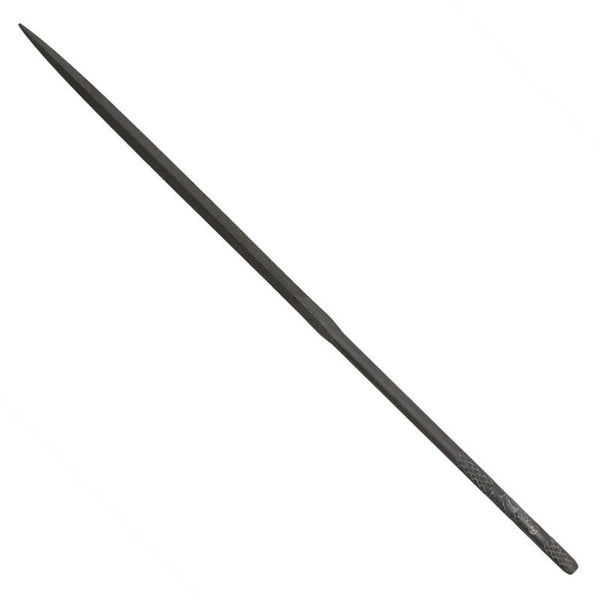
  • Files and handles help refine edges, smooth solder joints, shape components, and prepare surfaces for finishing.
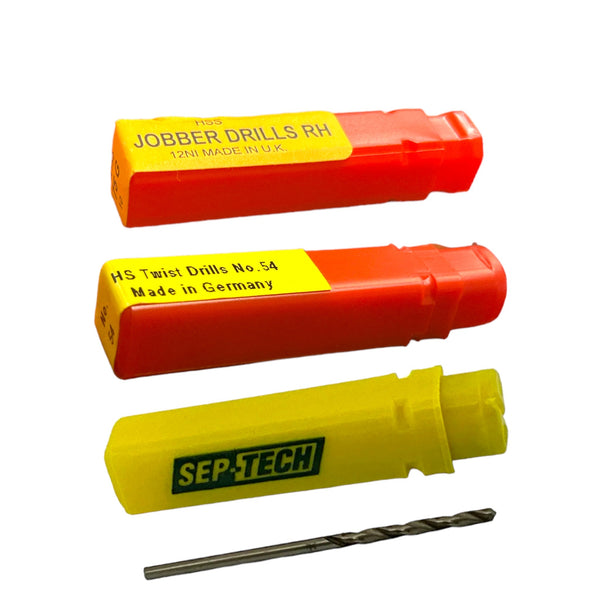
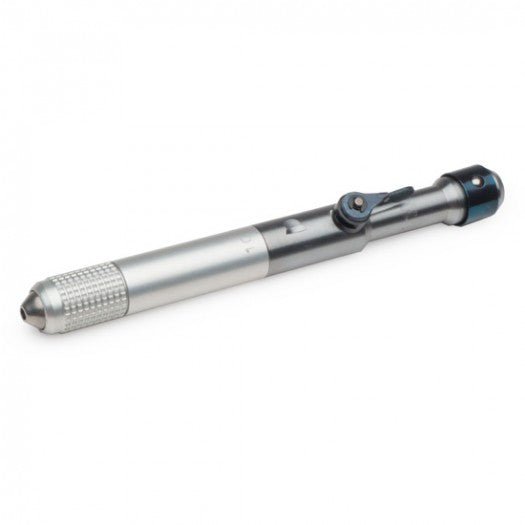
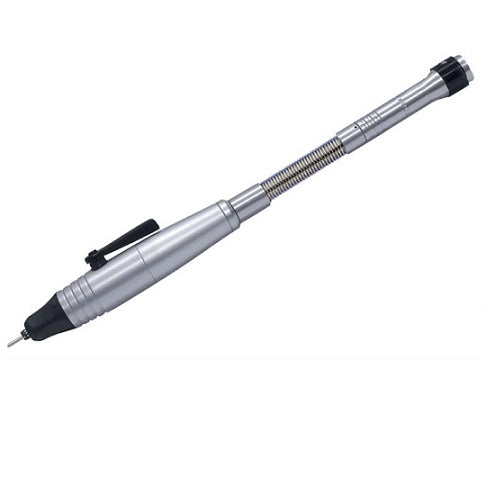
  • Hand drills and small drilling tools allow controlled hole placement for findings, settings, assembly, and repair.
  • Prong and setting tools help adjust, lift, tighten, and prepare stone settings during repair or stone work.

Choosing the Right Jewelry Hand Tools

The best hand tool setup depends on the kind of jewelry work you perform most often. A repair shop may need durable pliers, cutters, prong tools, ring tools, files, saw blades, and quick-access bench essentials. A custom jeweler may also need forming tools, precision files, drilling tools, and accessories for fabrication and stone setting preparation.

When selecting jewelry hand tools, consider grip comfort, jaw shape, cutting edge quality, tool size, material compatibility, and how often the tool will be used. Professional bench work usually benefits from tools that feel comfortable in the hand and perform consistently through repeated use.

Pliers, Cutters, Files, Saw Blades, and Ring Tools

Each hand tool has a specific role at the bench. Pliers help hold and shape components, while cutters need to make clean cuts without crushing wire or leaving rough ends. Files are used to refine surfaces and edges before polishing. Saw blades support controlled cuts for fabrication and repair. Ring tools help jewelers work more safely and accurately with bands, shanks, and ring components.

Because jewelry pieces are often small and detailed, tool quality can directly affect the final result. A poorly matched tool may leave marks, reduce control, or make a simple repair more difficult. A properly selected hand tool helps the jeweler work cleaner, faster, and with better control.

Hand Tools for Jewelry Repair and Stone Setting Support

Jewelry repair requires dependable tools that can handle daily work without unnecessary damage to the piece. Common repair tasks include tightening prongs, opening or closing jump rings, preparing ring sizing work, removing small imperfections, cutting components, drilling holes, filing solder areas, and adjusting settings.

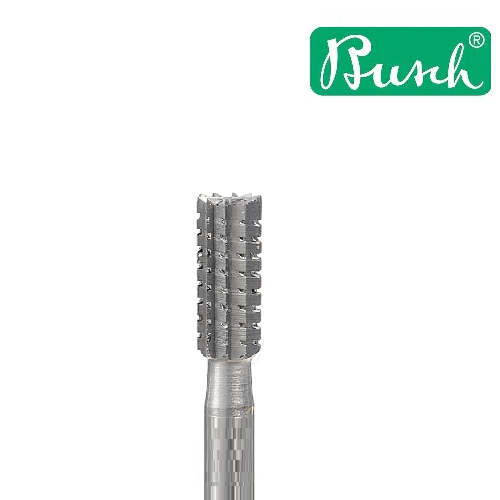
For stone setting support, hand tools may be used together with stone setting tools, burs and drills, flexshafts and micro motors, and measuring tools. This helps jewelers prepare seats, adjust prongs, inspect fit, and complete detailed bench work more accurately.

Build a Practical Jewelry Bench Setup

A strong bench setup usually includes a mix of basic hand tools, rotary tools, measuring tools, polishing supplies, soldering equipment, and cleaning equipment. Hand tools are often the first tools a jeweler reaches for because they support so many small operations throughout the day.

If you are building or upgrading a jewelry bench, this category pairs naturally with polishing and finishing tools, soldering and welding tools, abrasives, and work benches.

Shop Jewelry Hand Tools from SEP Tools

SEP Tools supplies jewelry hand tools for professional jewelers, repair shops, setters, metalsmiths, and jewelry studios. Whether you need everyday pliers and cutters or more specialized tools for rings, drilling, sawing, filing, and bench repair, this collection brings together practical tools for real jewelry work.

Local Chicago jewelers can shop with SEP Tools through its professional supplier presence in Chicago, while online buyers can order jewelry hand tools and bench essentials directly through the website.

Frequently Asked Questions About Jewelry Hand Tools

What hand tools does a jeweler need?

Common jewelry hand tools include pliers, cutters, round nose pliers, files, saw blades, saw frames, tweezers, ring tools, hand drills, prong tools, bench pins, handles, and measuring tools. The exact setup depends on whether the work involves repair, fabrication, stone setting, wire work, or general bench work.

What are jewelry pliers used for?

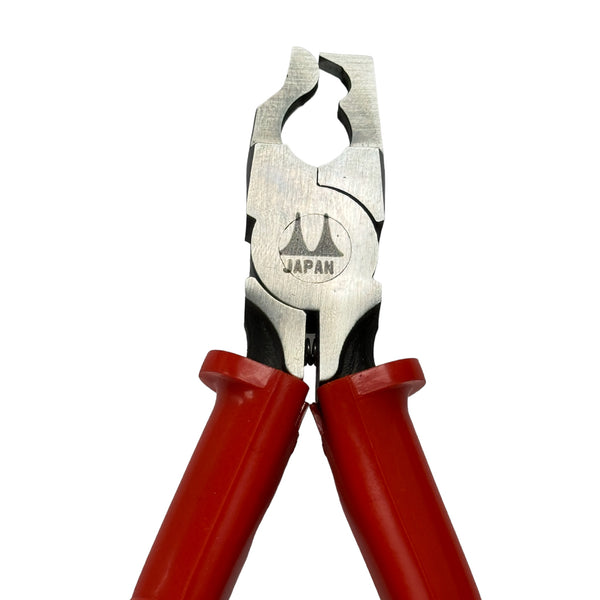
Jewelry pliers are used for gripping, bending, shaping, holding, opening and closing jump rings, forming wire, adjusting components, and supporting repair work. Different jaw shapes are used for different tasks, including flat nose, chain nose, round nose, and specialty pliers.

Are jewelry hand tools different from regular tools?

Yes. Jewelry hand tools are usually smaller and designed for more precise control. They are made for delicate work with metals, stones, findings, rings, settings, and small components where general tools may be too large or too rough.

What tools are used for ring repair?

Ring repair may require ring pliers, ring clamps, files, saw blades, cutters, prong tools, measuring tools, soldering tools, polishing tools, and rotary accessories. The exact tools depend on whether the work involves sizing, reshaping, prong repair, stone setting, or surface refinishing.

How should I choose jewelry cutters?

Choose cutters based on the material, wire thickness, cut type, comfort, and frequency of use. Professional jewelers often keep different cutters for fine wire, heavier wire, flush cutting, and general bench tasks to avoid damaging the tool or the workpiece.

Filters

Your Cart

Your cart is currently empty

Your Wishlist